Shared Instruments Lab (SIL)
The Shared Instruments Lab (SIL) is a fee-based resource available to University students and faculty. Users incur costs for consumables and an hourly usage charge when utilizing an instrument. While the SIL staff can perform sample runs for users at an additional fee, consultation and training services are provided at no cost. Undergraduate, graduate, and post-doctoral students receive training and operate the instruments on a day-to-day basis. PI's wishing to use the instruments should have their students contact the Director of Instrumentation for training and account setup. The department also teaches instrumentation courses through the CHEM 707 class.
Consumables
There are no fees to use the instrumentation, but consumables must be provided for by the PI. For example, if you want to run the LCMS you must provide columns, sample vials, and mobile phase or if you want to run the NMR you must provide the NMR tubes and deuterated solvents. Most consumables can be purchased from the research stockroom located in the basement of the Chemistry building.
Director of Instrumentation
Stephen M. Spain
(775) 784-6019
smspain@unr.edu
Available instrumentation
-
AFM/STM
Nanosurf EasyScan 2 with AFM and STM options:
- AFM: Atomic Force Microscope, images a surface by measuring the repulsion/attraction of a cantilever tip as the tip scans across the sample surface, generally more broadly applicable than STM.
- STM: Scanning Tunneling Microscope, images a surface by measuring the tunneling current between tip and surface, good only for conductors, generally better resolution than AFM.
-
Agilent GC-MS
Agilent 7890A gas chromatograph coupled to a 5975C quadrupole mass spectrometer: This instrument has a 150 position Agilent 7603 autosampler and has EI only. It can be run without the mass spectrometer using a FID as the detector.
-
Agilent TOFMS
Agilent model G6230A high-resolution high-mass accuracy time-of-flight mass spectrometer: This instrument is suitable for final product characterization. It has a mass accuracy of 2 ppm and has ESI, APCI, and APPI ion sources. Samples can only be introduced via the infusion method using a syringe pump. Samples should be in the micro to nanogram per milliliter concentration range.
-
Chiral GC
An Agilent 7890 GC with FID (flame ionization detector) setup for chiral analysis only. Several capillary chiral columns are available for use.
-
Circular Dichroism Spectroscopy
Jasco J-1500 CD Spectrometer. Circular dichroism (CD) spectroscopy is a technique used to study the chiral properties and secondary structure of molecules—especially proteins—by measuring the difference in absorption of left‑ and right‑circularly polarized light. Because different structural motifs (such as α‑helices, β‑sheets, and random coils) produce characteristic CD signals, the method is widely used to assess protein folding, conformational changes, stability, and ligand binding in solution.
-
Differential Scanning Calorimetry (DSC)
The basis for the DSC technique is that when a sample undergoes a physical transformation, such as a phase transition, more or less heat will be needed depending on whether the transformation is endothermic or exothermic. A DSC is able to accurately measure the heat absorbed or released during a transition. Some areas where DSC is used is in studying polymer and pharmaceutical formulations, liquid crystals, oxidation stability, and metallurgy.
The SIL offers the TA instruments model Q20 DSC.
-
Electron Paramagnetic Resonance Spectroscopy
Electron paramagnetic Spectroscopy, or EPR for short, is used to study molecules and reactions that involve a species with an unpaired electron. Traditional NMR techniques yield little to no useful information on paramagnetic species due to the greatly accelerated relaxation rate of the NMR signal.
In 2011 the department acquired a Bruker EMXPlus EPR. This EPR is equipped with a helium recycling unit which allows for the acquisition of low-temperature EPR spectra without the need to constantly add liquid helium. The helium recycler significantly reduces the cost of operation for low-temperature experiments.
-
Fluorescence Spectroscopy
Jobin Yvon Horiba FluoroMax-3: a compact spectrofluorometer that offers the ultimate sensitivity in fluorescence investigations as well as features not found in most table-top fluorescence detection systems.
-
FTIR Microscopy
The Bruker Tensor 27 FTIR spectrometer coupled with the Hyperion FTIR microscope is used for microscale infrared chemical analysis, allowing researchers to identify and map the molecular composition of materials with high spatial resolution. The Tensor 27 provides mid‑infrared spectra (typically 7000–600 cm⁻¹) for identifying organic and inorganic compounds, while the Hyperion microscope enables single‑point, mapping, and full imaging modes using MCT and FPA detectors. This setup supports transmission, reflection, ATR, and grazing‑angle measurements, making it suitable for analyzing thin sections, coatings, polymers, minerals, biological materials, and heterogeneous samples. It is widely used in chemistry, geology, materials science, food science, medicine, and microanalysis of complex mixtures.
-
Infrared spectroscopy
We currently have two FT-IR's, both of which can be used with either the standard transmission plate or the ATR (Attenuated Total internal Reflection) in the sample compartment.
- Thermo Nicolet 6700 FT-IR: A high-resolution instrument that can scan all three ranges of the infrared spectrum, far (50-400 cm-1), mid(400-400 cm-1) and near (4000-10,000 cm-1), and has a diamond ATR. This IR is also purged to eliminate the CO2 peak from air.
- Thermo Nexus 470 FT-IR: A general purpose mid-IR instrument which can scan from 400-4000 cm-1 and has ZeSe and Ge ATR's.
-
Liquid-State Nuclear Magnetic Resonance Spectroscopy
The Department of Chemistry has three state-of-the-art liquid-state NMR spectrometers, installed in late 2025, exclusively for research purposes.
- A 400 MHz Bruker Avance NEO, equipped with a broadband probe and a 24-position autosampler, suitable for 1H, 19F, and NMR active heteronuclei experiments.
- A 500 MHz Bruker Avance NEO, equipped with a broadband probe and a 60-position autosampler, suitable for 1H, 19F, and NMR active heteronuclei experiments.
- A 700 MHz Bruker Avance NEO, equipped with the Prodigy indirect detection cryoprobe and a 24-position autosampler, this probe is optimized for 1H detect experiments such as Proton, COSY, HSQC, TOCSY, ROESY, NOESY, and HMBC. The second channel on this probe is configured for 13C experiments only.
-
MALDI-TOFMS
Shimadzu MALDI-8020 matrix-assisted laser desorption/ionization time-of-flight mass spectrometer. The Shimadzu MALDI‑8020 is a benchtop MALDI‑TOF mass spectrometer used for rapid identification, profiling, and quality‑control analysis of biomolecules and polymers. Operating in linear positive‑ion mode, it is designed for fast, routine mass measurement of peptides, proteins, polymers, and oligonucleotides, making it ideal for QC workflows and research labs. The system features a 200 Hz, 355 nm solid‑state laser, a load‑lock chamber for quick sample introduction, and TrueClean™ UV‑based automated source cleaning, which minimizes contamination and maintains performance over time. Its compact size, quiet operation (<55 dB), and compatibility with FlexiMass™ sample targets make it well‑suited for laboratories needing efficient benchtop MALDI‑TOF capabilities.
-
Microwave reactor
The CEM Discover microwave can be used with sealed reaction vials (contact the Director of Instrumentation for information on purchasing appropriate reaction vials) or round bottom flasks with a condenser. This item must be checked out and brought to a PI's lab for use. The microwave must be used in a hood, especially if running experiments in a round bottom with a condenser.
-
Ozonator
Orec Ozonator, you supply oxygen in and it produces ozone.
-
Polarimetry
Jasco P-2000 Polarimeter. The Jasco P-2000 polarimeter is used to measure the optical activity of chiral inorganic and organic molecules—specifically, how they rotate plane‑polarized light. It is commonly applied in the food, chemical, and pharmaceutical industries for analyzing substances such as sugars, essential oils, flavors, and pharmaceuticals. The instrument can determine optical rotation, specific rotation, concentration, sugar scales (Z), Brix purity, and optical purity, making it valuable for both quality control and research settings.
-
Powder X-Ray Diffraction
Bruker D8 Avance powder x-ray diffractometer with rotating, variable temperature, capillary, and xyz stages. It supports traditional powder XRD as well as advanced modes such as grazing‑incidence diffraction, thin‑film analysis, and high‑resolution measurements, thanks to the D8 platform’s modularity and precision alignment features. The XYZ and rotation stages allow optimal sample positioning and improved particle statistics, while non‑ambient stages—including heating/cooling systems—enable temperature‑dependent phase identification and in‑situ studies. Capillary stages allow analysis of small, air‑sensitive, or low‑absorbing powders in Debye‑Scherrer geometry. Together, these capabilities make the instrument suitable for research in materials science, metallurgy, geology, pharmaceuticals, thin films, stress/texture studies, and general crystallographic characterization.
-
Raman Microscopy
The Renishaw Raman microscope is used for non‑destructive chemical and structural analysis of materials by measuring their vibrational spectra with high spatial resolution. It allows researchers to identify chemical compounds, map molecular composition, analyze crystallinity, strain, defects, and characterize phases at the micrometer scale. These microscopes are widely applied in materials science, semiconductors, polymers, ceramics, nanomaterials, pharmaceuticals, and biological samples, providing detailed chemical images and point‑specific Raman spectra.
-
Solid-State Nuclear Magnetic Resonance Spectroscopy
The Shared Instruments Lab currently operates one solid-state NMR, a 2-channel 400 MHz Tecmag Discovery with a NMR Service GmbH MAS H-X broadband probe that can rotate samples up to 18 kHz. The Discovery system is capable of running CP/MAS experiments using a 4 mm rotor.
The chemical shift that a molecule has for a particular nucleus is a function of alignment of the molecule to the external magnetic field. In liquid-state NMR the rapid rotation of a molecule in solution averages out the chemical shift to a single value called the isotropic chemical shift. In a solid-state powder sample every orientation of the sample relative to the external magnetic field is present. This can lead to peaks that are extremely broad with linewidths greater than 1000 Hz. To overcome this problem the sample is spun at the magic angle, 54.74 degrees. This averages out the chemical shift anisotropy (and dipolar couplings) and gives a high-resolution spectrum.
To spin stably within a few Hz, at a high rate, 9000-18,000 Hz, two 200-gallon compressed air tanks are used.
-
Thermogravimetric Analysis (TGA)
TA instruments TGA Q50. Thermogravimetric analysis (TGA) is a thermal analysis technique used to measure how a material’s mass changes as it is heated, cooled, or held at a constant temperature. These mass changes reveal information about processes such as moisture loss, decomposition, oxidation, and thermal stability. TGA is widely used to characterize polymers, pharmaceuticals, inorganic materials, and composites to understand their composition, stability, and degradation behavior.
-
UV/VIS Spectroscopy
The SIL has two instruments. A Shimadzu UV-2550 UV/VIS spectrophotometer and a Perkin-Elmer Lambda 750 UV/VIS/NIR spectrophotometer. The Shimadzu can measure from 190 to 800 nm while the Perkin-Elmer can measure from 190 to 3300 nm.
-
Varian HPLC
Agilent 1200 Series HPLC equipped with a quaternary pump and a diode array detector. Users must supply their own HPLC columns, solvents, and vials. High performance liquid chromatography (HPLC) is an analytical technique used to separate, identify, and quantify components in a mixture by pumping a liquid solvent under high pressure through a column packed with a stationary phase. Different compounds interact with the stationary phase to varying degrees, causing them to elute at different times, which allows for precise separation. HPLC is widely used in pharmaceuticals, environmental testing, food analysis, and chemical research because it provides high resolution, sensitivity, and reproducibility for both qualitative and quantitative analysis.
-
Waters LC-MS
The Shared Instruments Lab has available a Waters Micromass ZQ quadrupole mass spectrometer suitable for routine reaction monitoring. It has the Waters Alliance e2695 HPLC unit which allows for separation of mixtures before analysis by the mass spectrometer. Samples can be introduced using either the HPLC autosampler or the syringe infusion method. The HPLC is equipped with a Waters XBridge C18 column for general public use; any other column must be provided by a PI.
-
X-Ray Crystallography
The single-crystal x-ray diffraction, abbreviated SC-XRD, capabilities of the SIL is composed of a Bruker D8 Venture single-crystal x-ray diffractometer, equipped with a four-circle Kappa goniometer. SC-XRD is used to determine the three-dimensional molecular structure of the molecules that make up a crystalline material. This diffractometer is equipped with dual microfocus sources copper and molybdenum, that produce intense x-rays allowing for the analysis of sub-100-micron crystals. The instrument is also equipped with a Cryostream 1000 sample cooler, allowing for the determination of crystal structures at 100K.
-
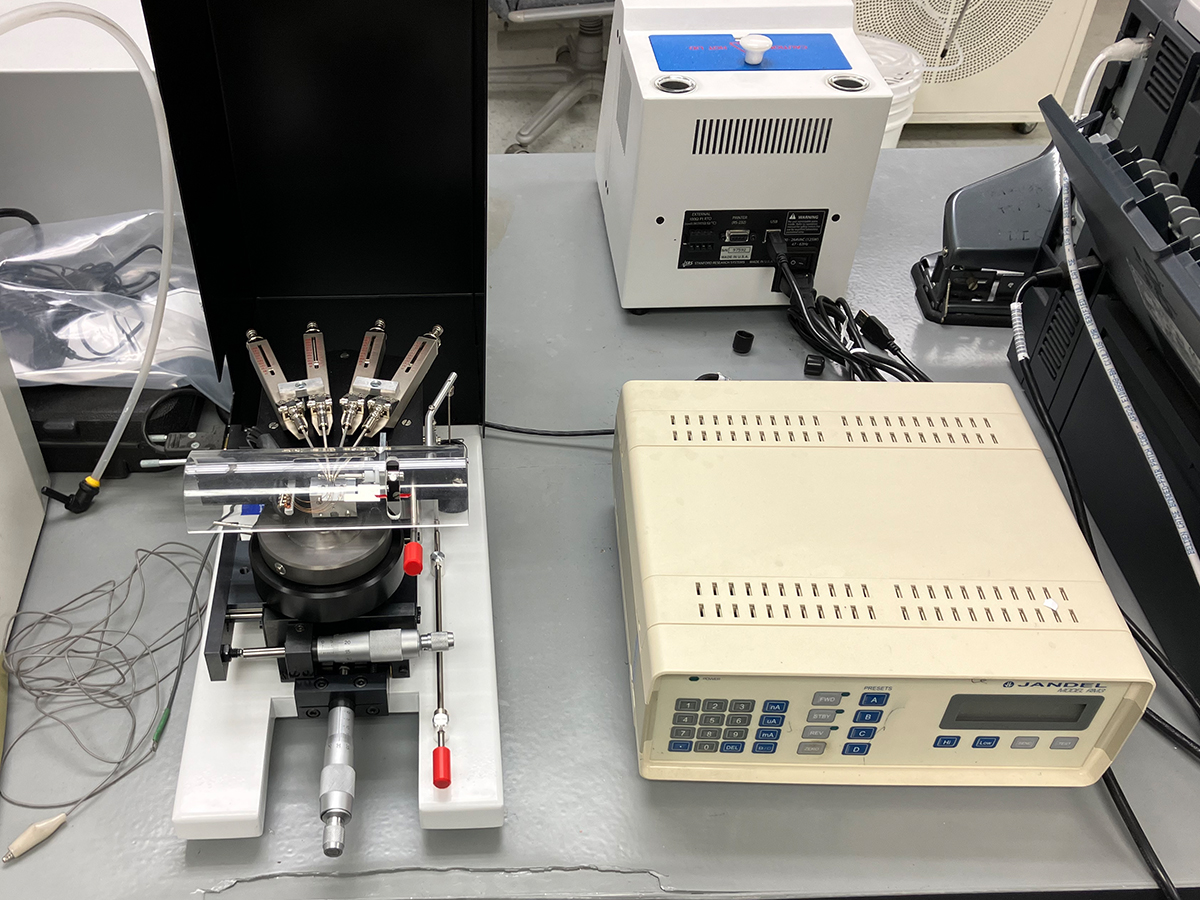
Four-point probe, in the Shared Instruments Laboratory in the Department of Chemistry at the College of Science. -
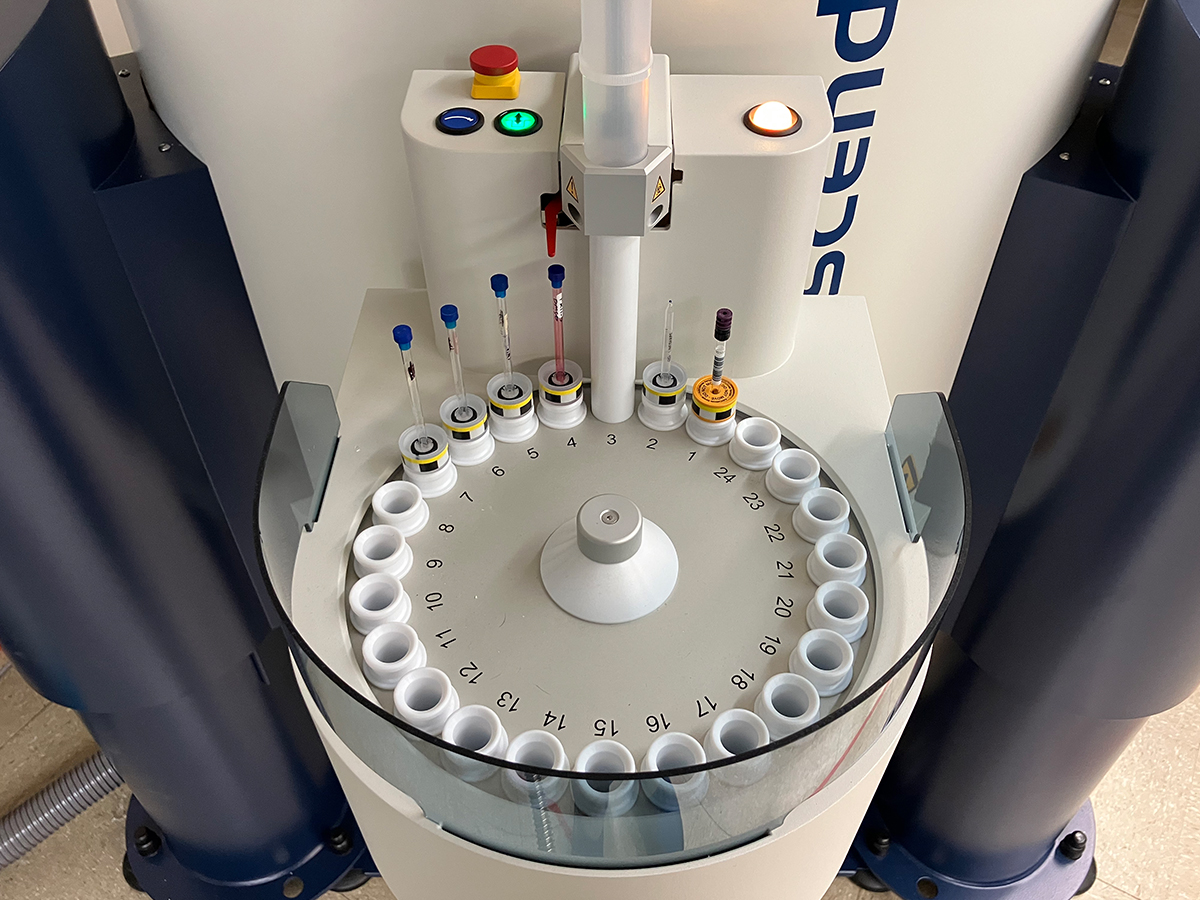
700 autosampler, in the Shared Instruments Laboratory in the Department of Chemistry at the College of Science. -
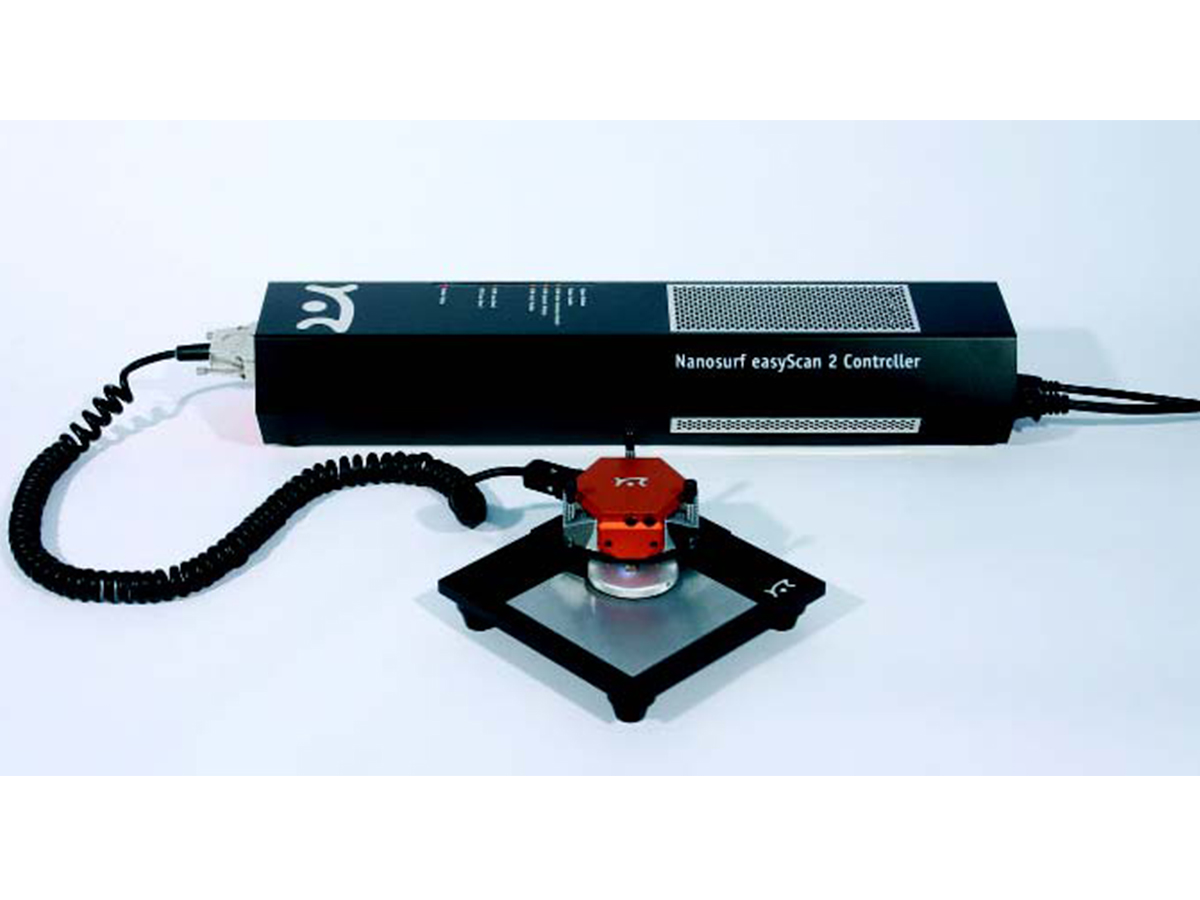
Nanosurf EasyScan 2 with AFM and STM options, in the Shared Instruments Laboratory in the Department of Chemistry at the College of Science. -
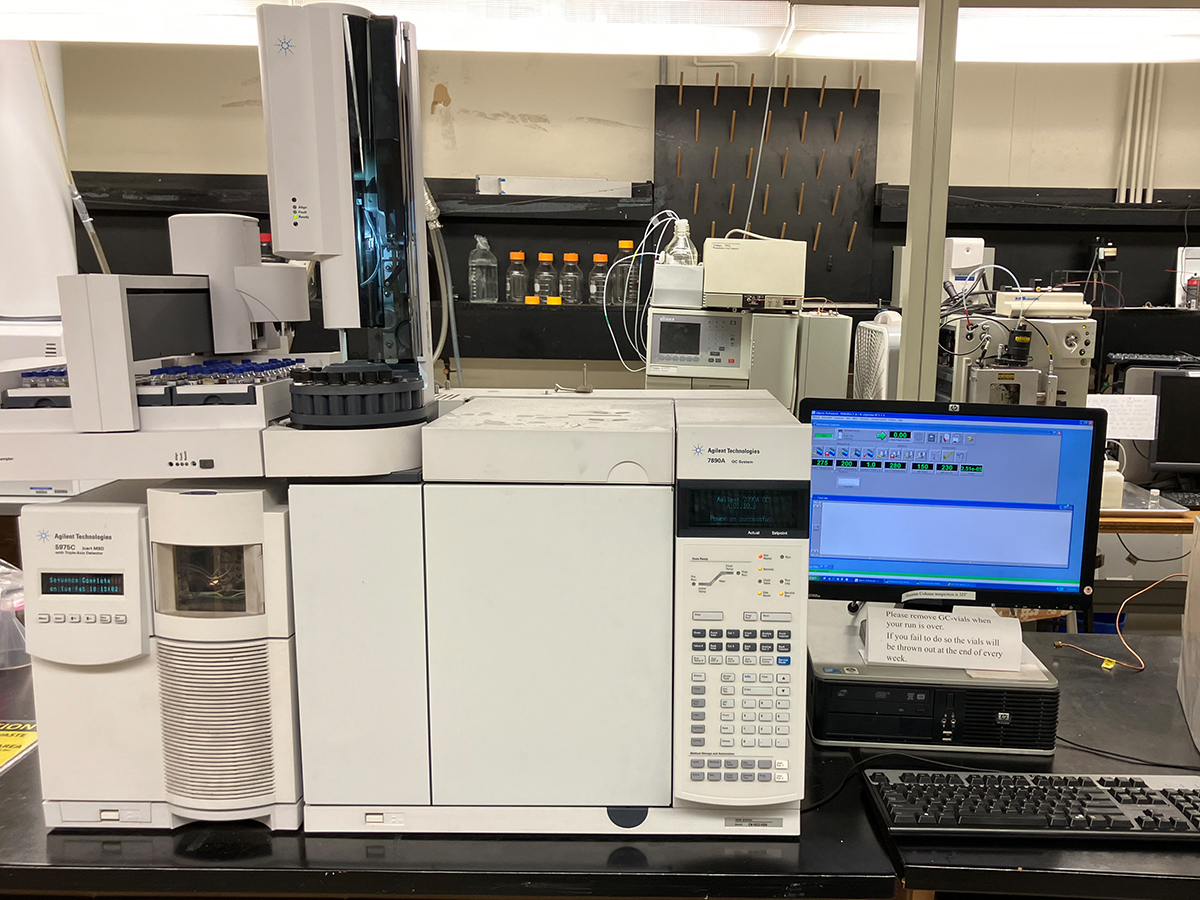
Agilent GC-MS, in the Shared Instruments Laboratory in the Department of Chemistry at the College of Science. -
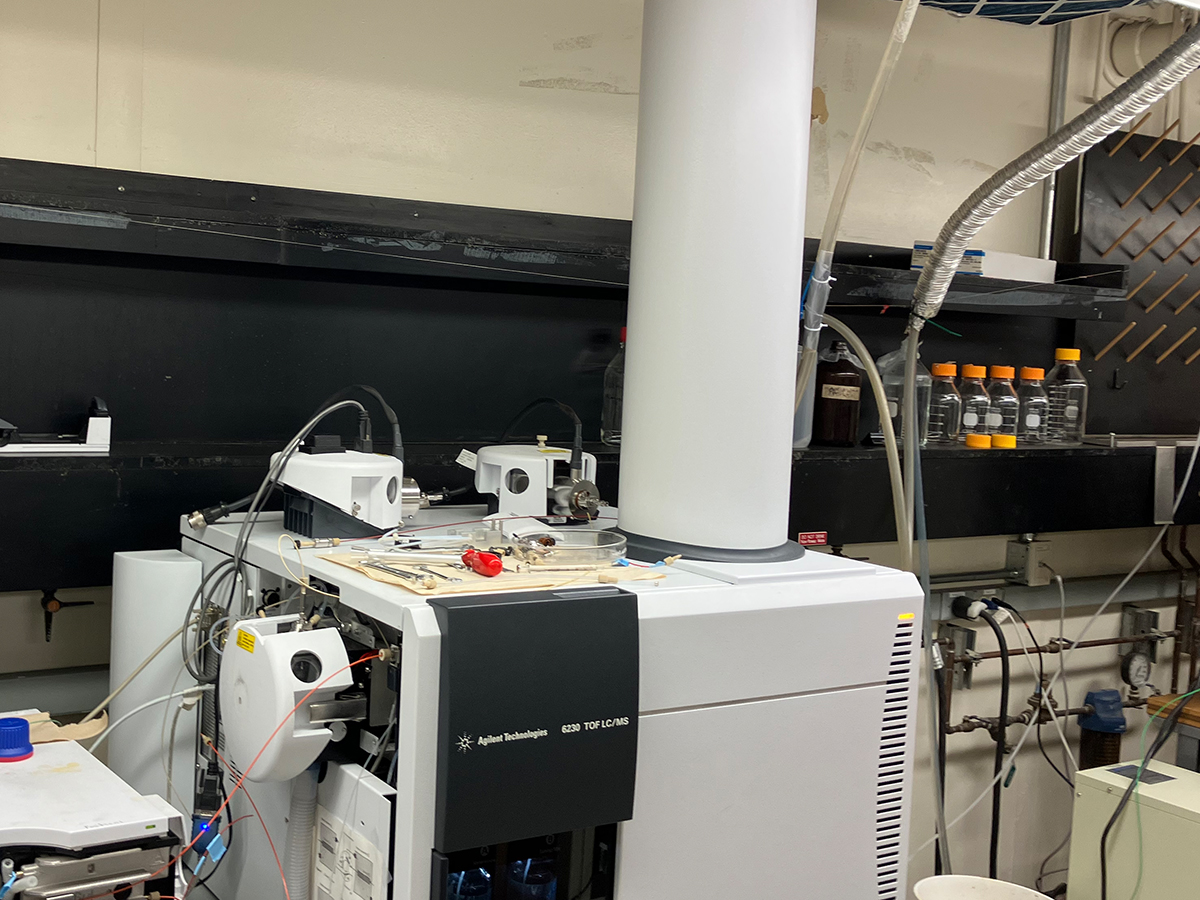
Agilent TOFMS, in the Shared Instruments Laboratory in the Department of Chemistry at the College of Science. -
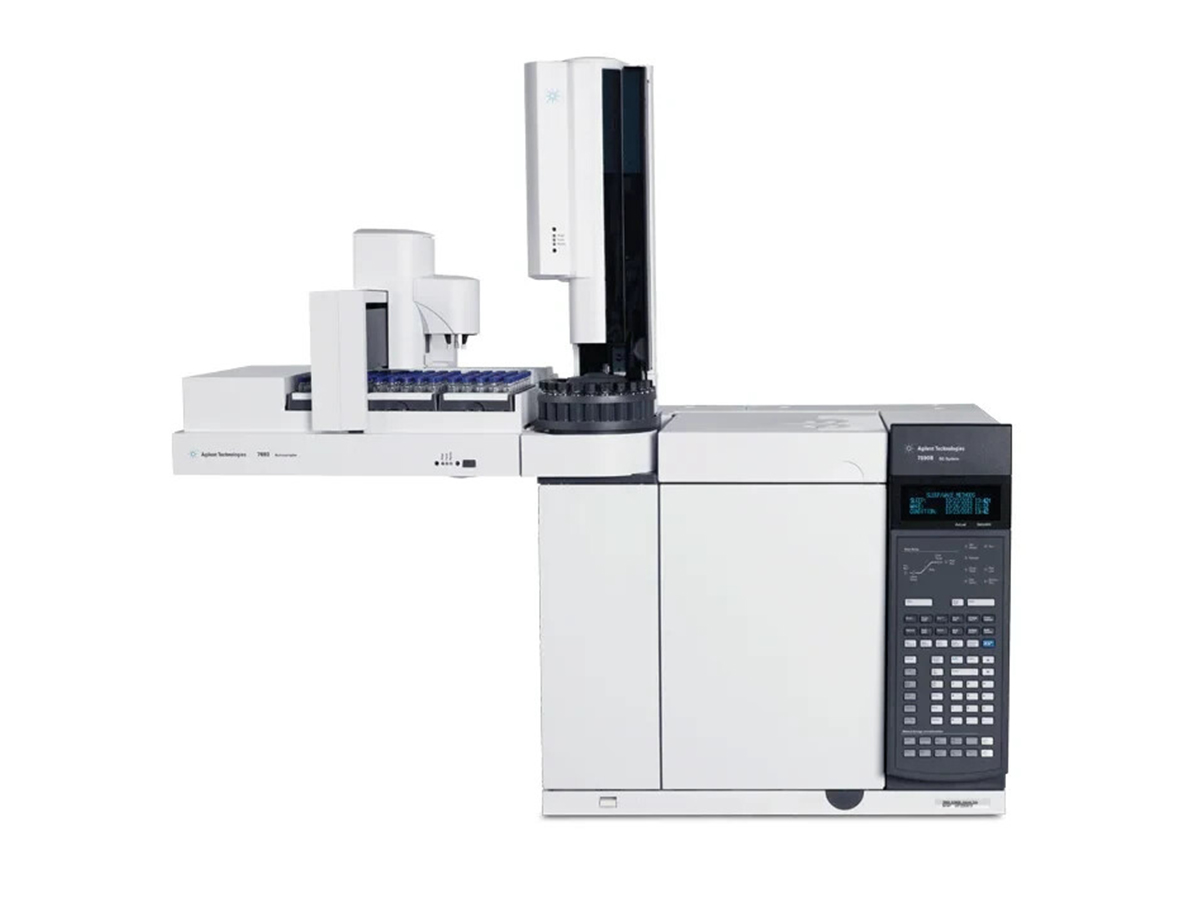
An Agilent 7890 GC with FID (flame ionization detector) setup for chiral analysis only, in the Shared Instruments Laboratory in the Department of Chemistry at the College of Science. -
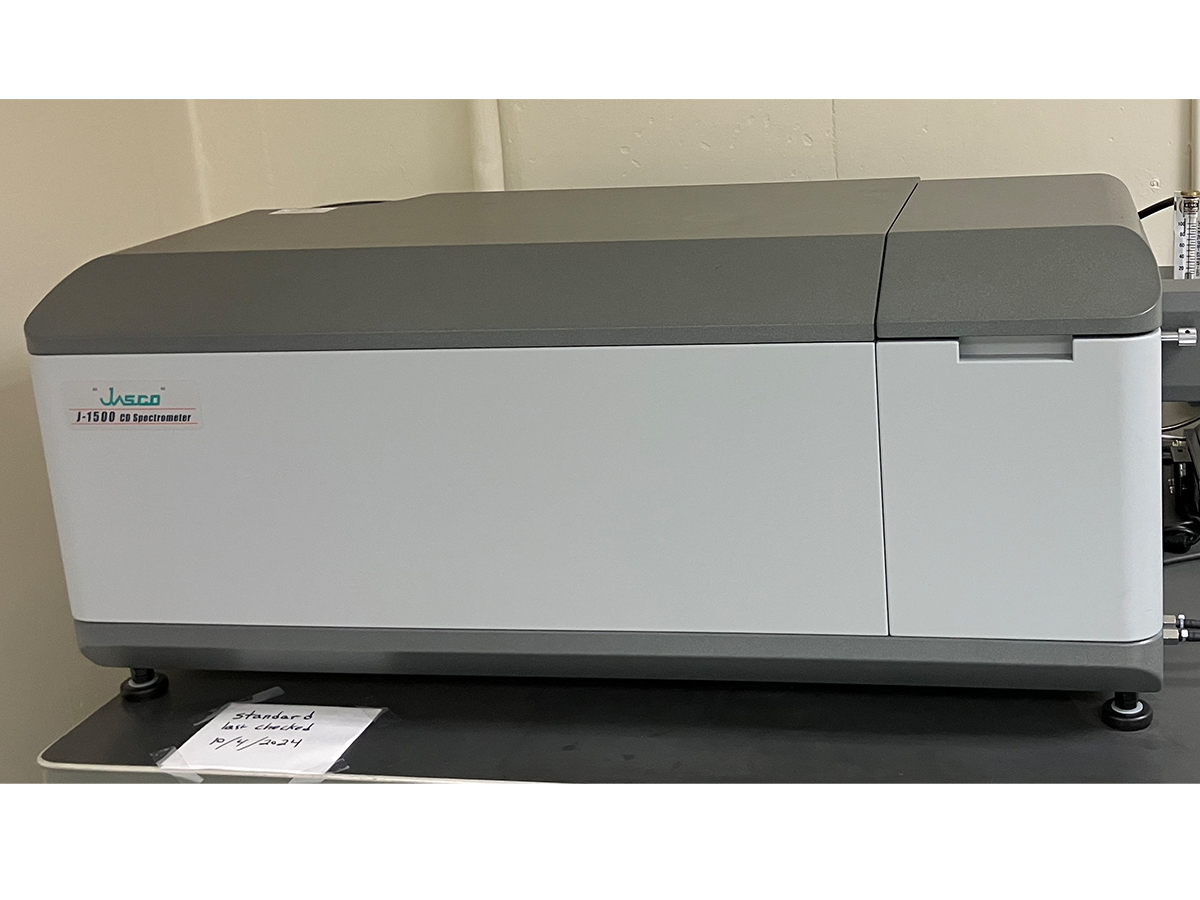
Jasco J-1500 CD Spectrometer, in the Shared Instruments Laboratory in the Department of Chemistry at the College of Science. -
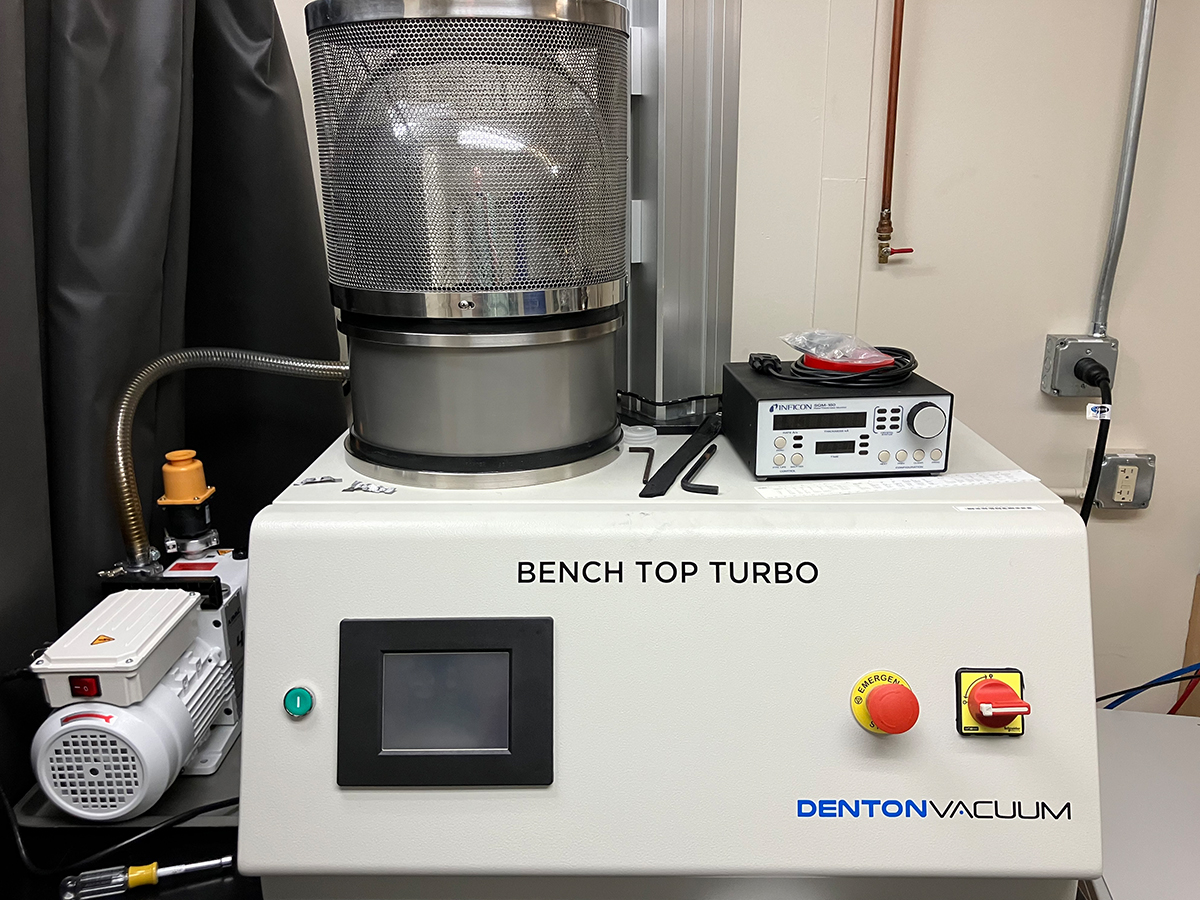
Denton thermal evaporator, in the Shared Instruments Laboratory in the Department of Chemistry at the College of Science. -
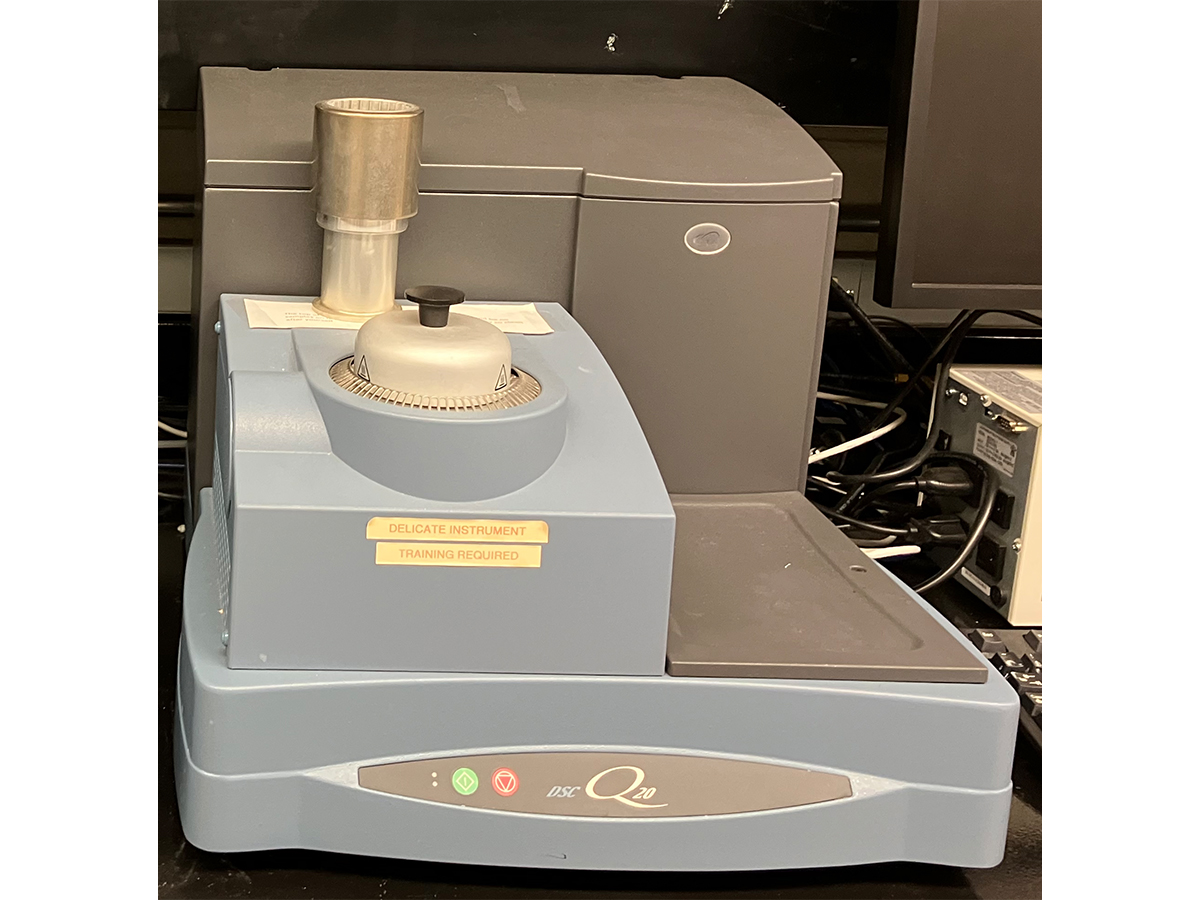
Differential Scanning Calorimetry (DSC), in the Shared Instruments Laboratory in the Department of Chemistry at the College of Science. -
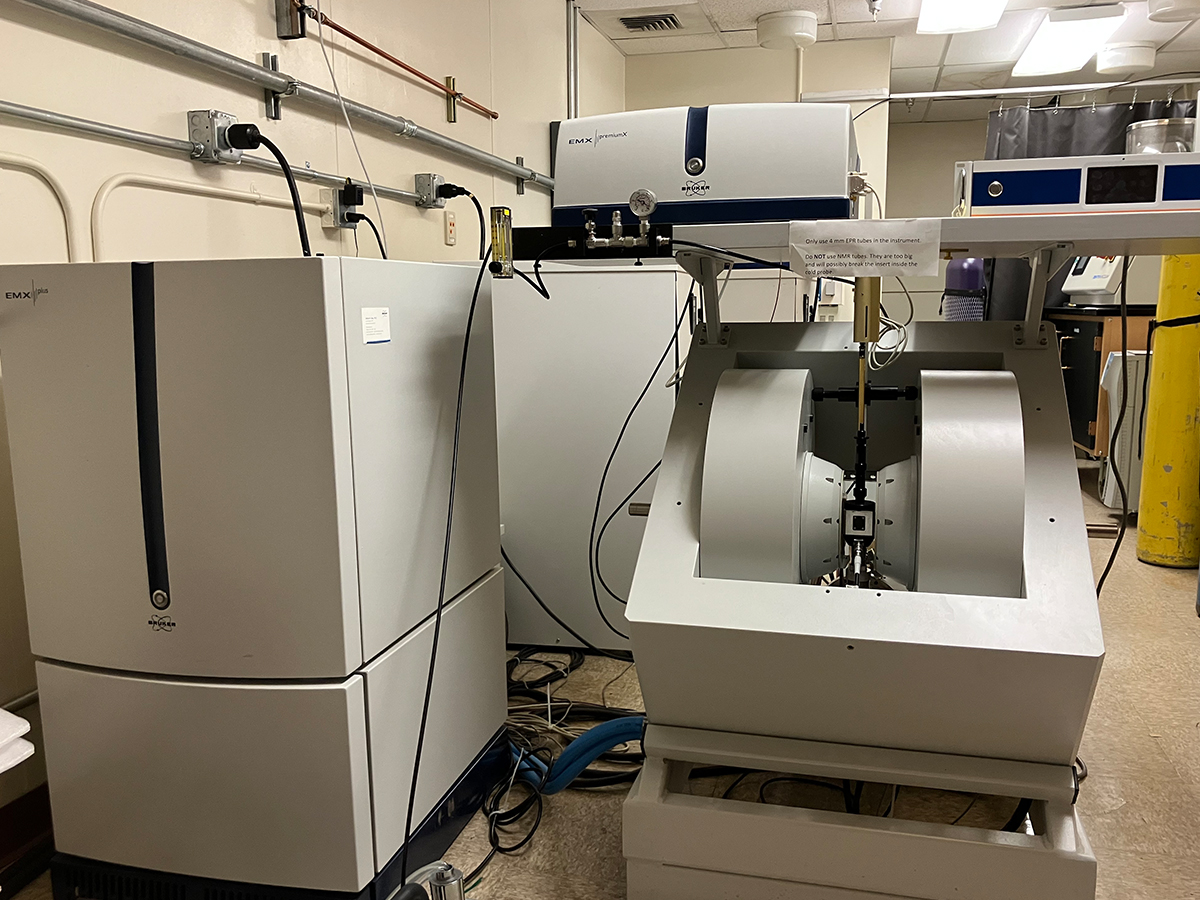
Electron paramagnetic resonance, in the Shared Instruments Laboratory in the Department of Chemistry at the College of Science. -
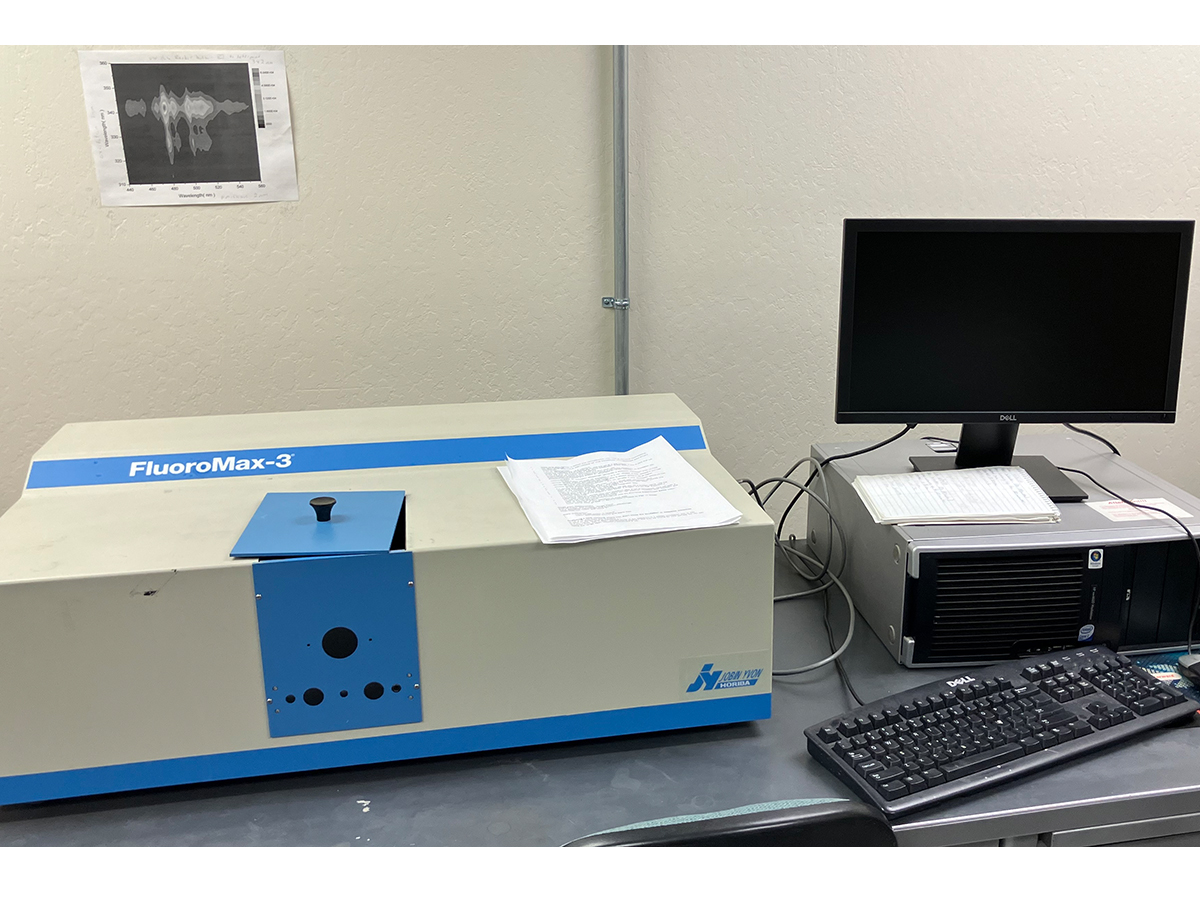
Horiba Fluorometer, in the Shared Instruments Laboratory in the Department of Chemistry at the College of Science. -
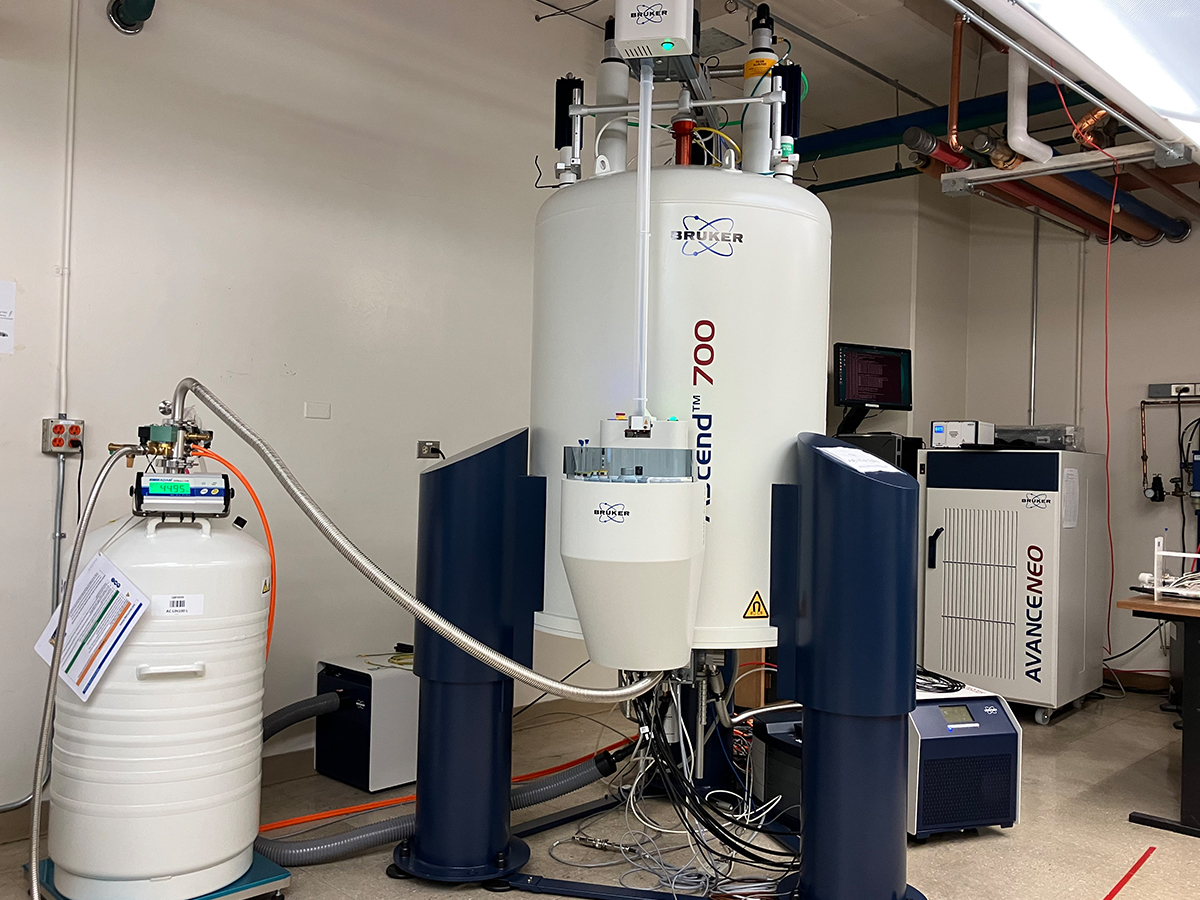
Liquid-State Nuclear Magnetic Resonance Spectroscopy, in the Shared Instruments Laboratory in the Department of Chemistry at the College of Science. -
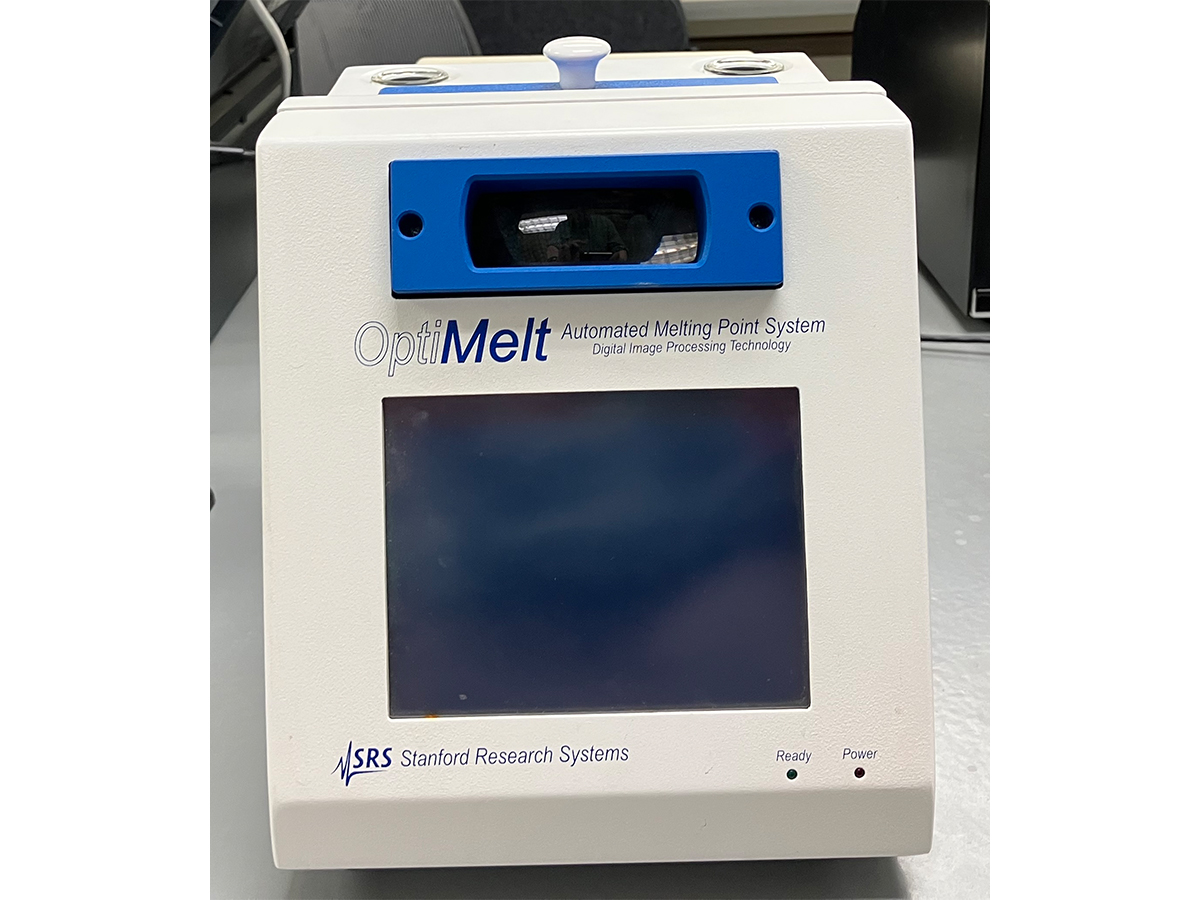
OptiMelt Automated Melting Point System, in the Shared Instruments Laboratory in the Department of Chemistry at the College of Science. -
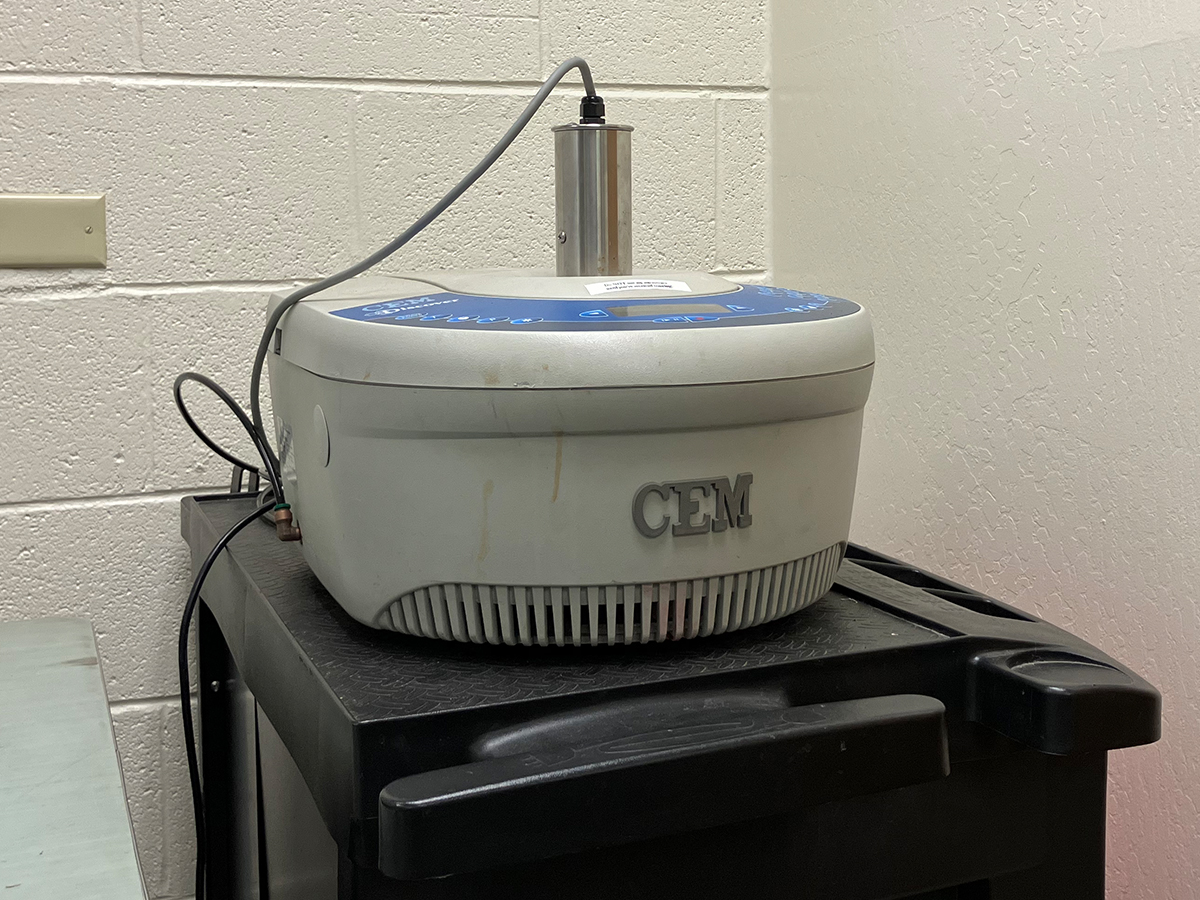
Microwave Reactor, in the Shared Instruments Laboratory in the Department of Chemistry at the College of Science. -
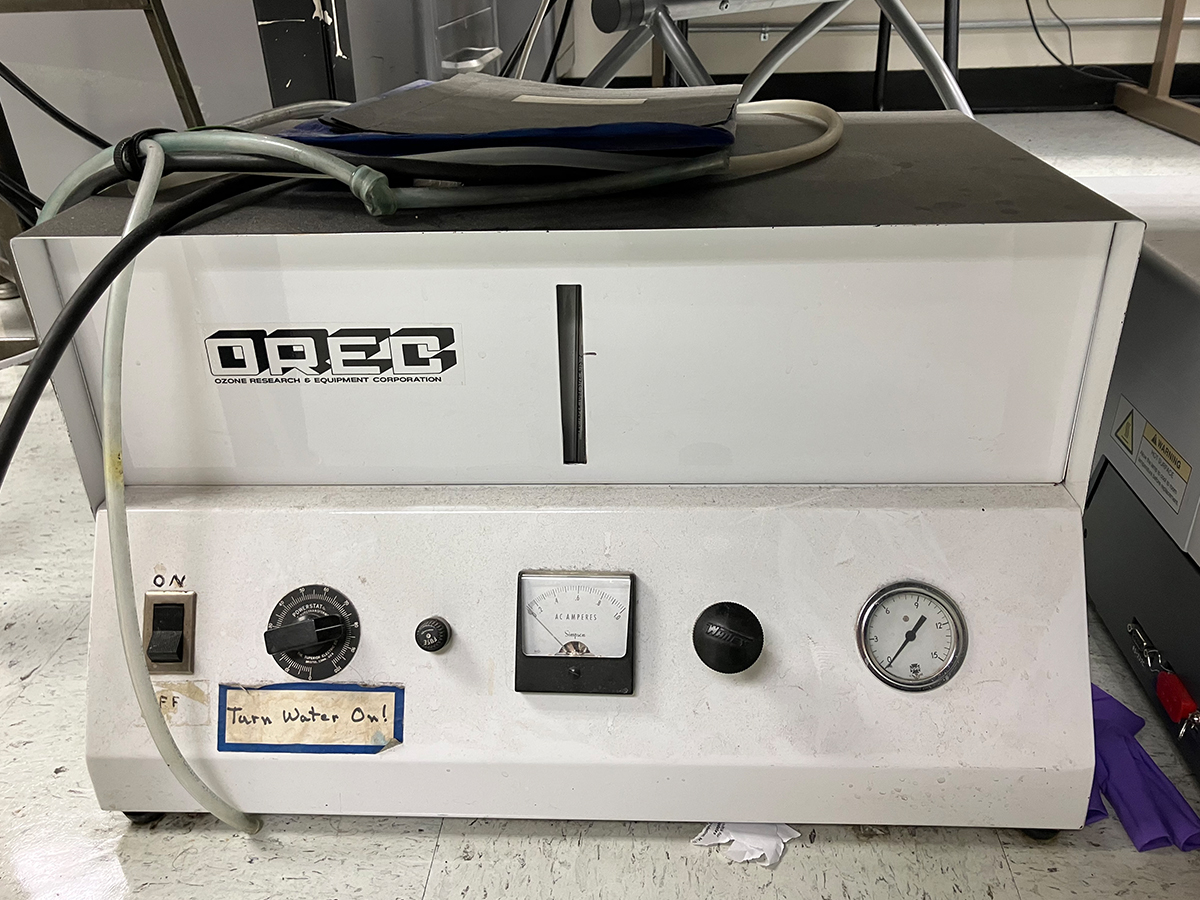
Ozonator, in the Shared Instruments Laboratory in the Department of Chemistry at the College of Science. -
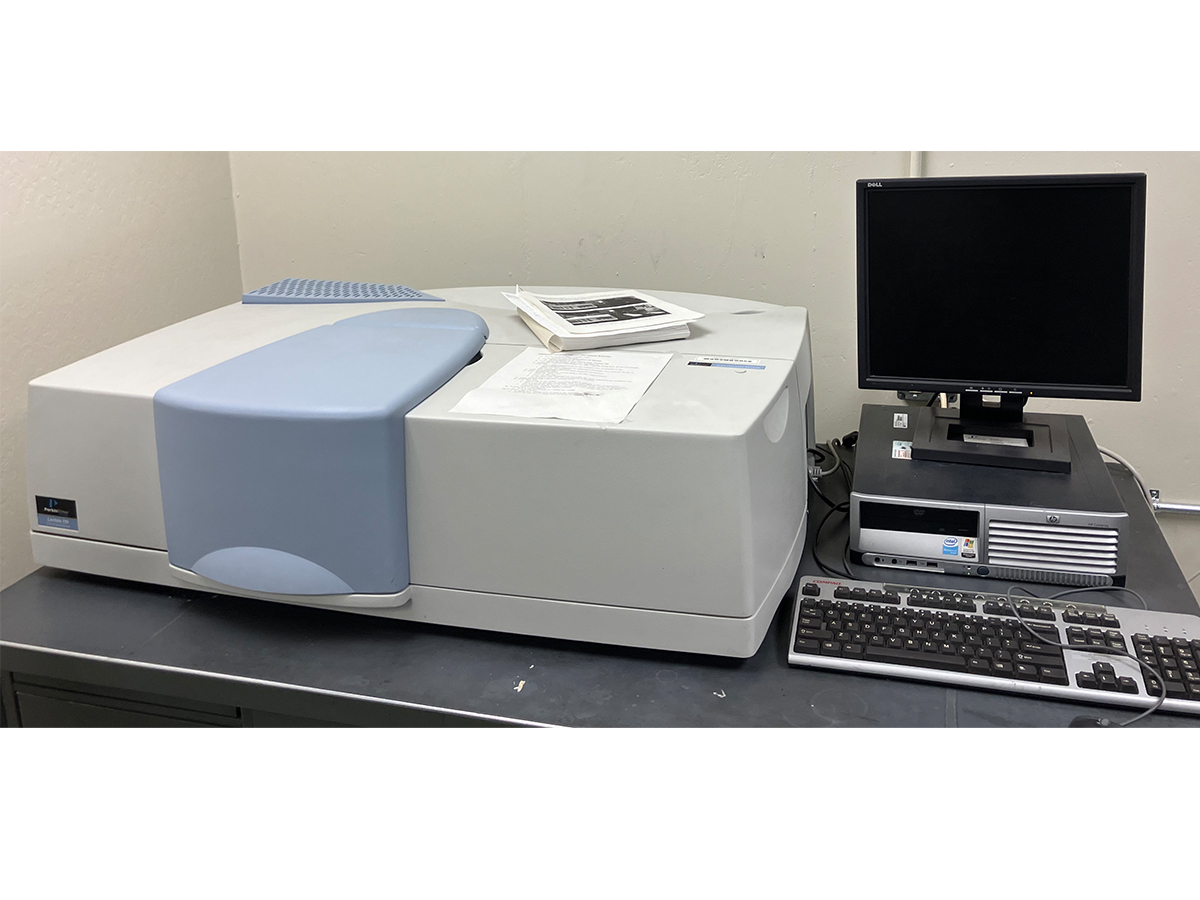
Perkin-Elmer Lambda 750 UV/VIS/NIR spectrophotometer, in the Shared Instruments Laboratory in the Department of Chemistry at the College of Science. -
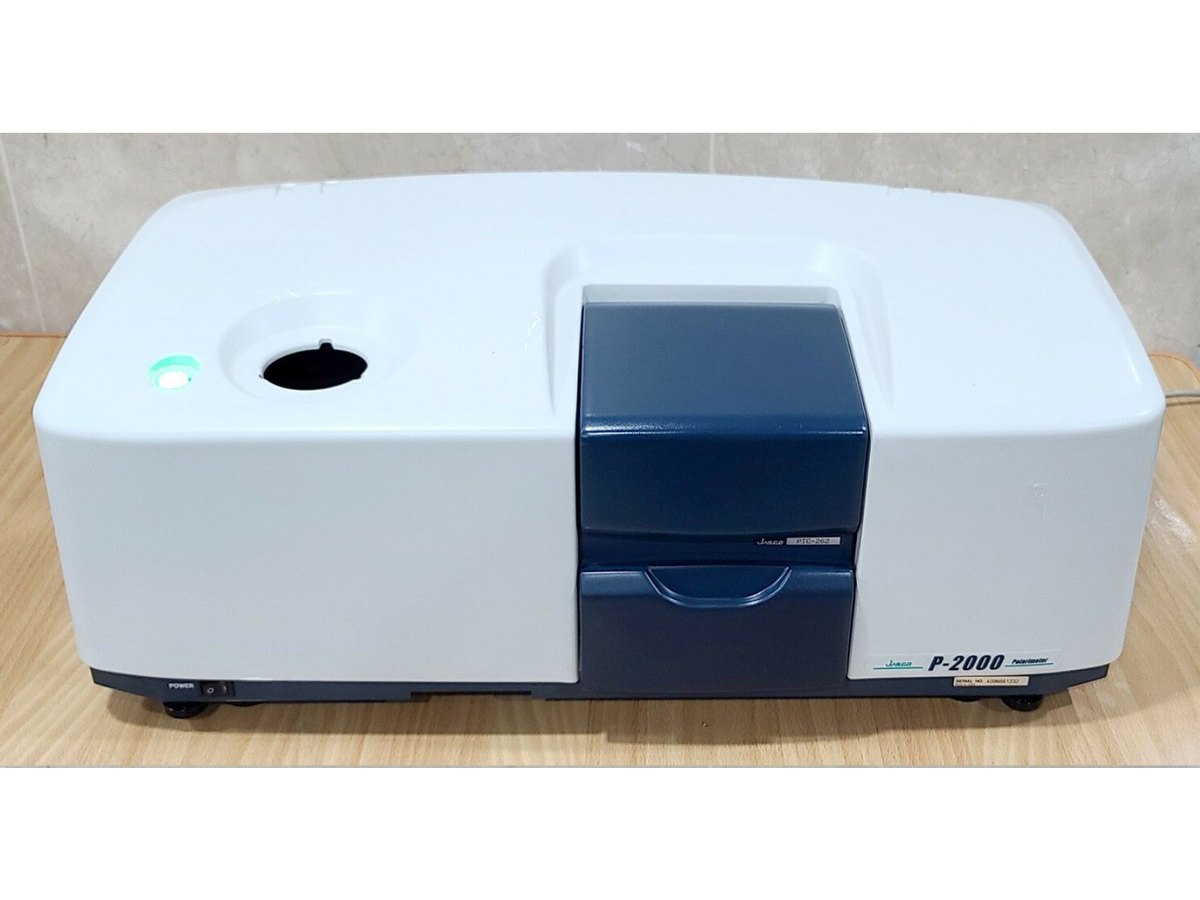
Polarimeter, in the Shared Instruments Laboratory in the Department of Chemistry at the College of Science. -
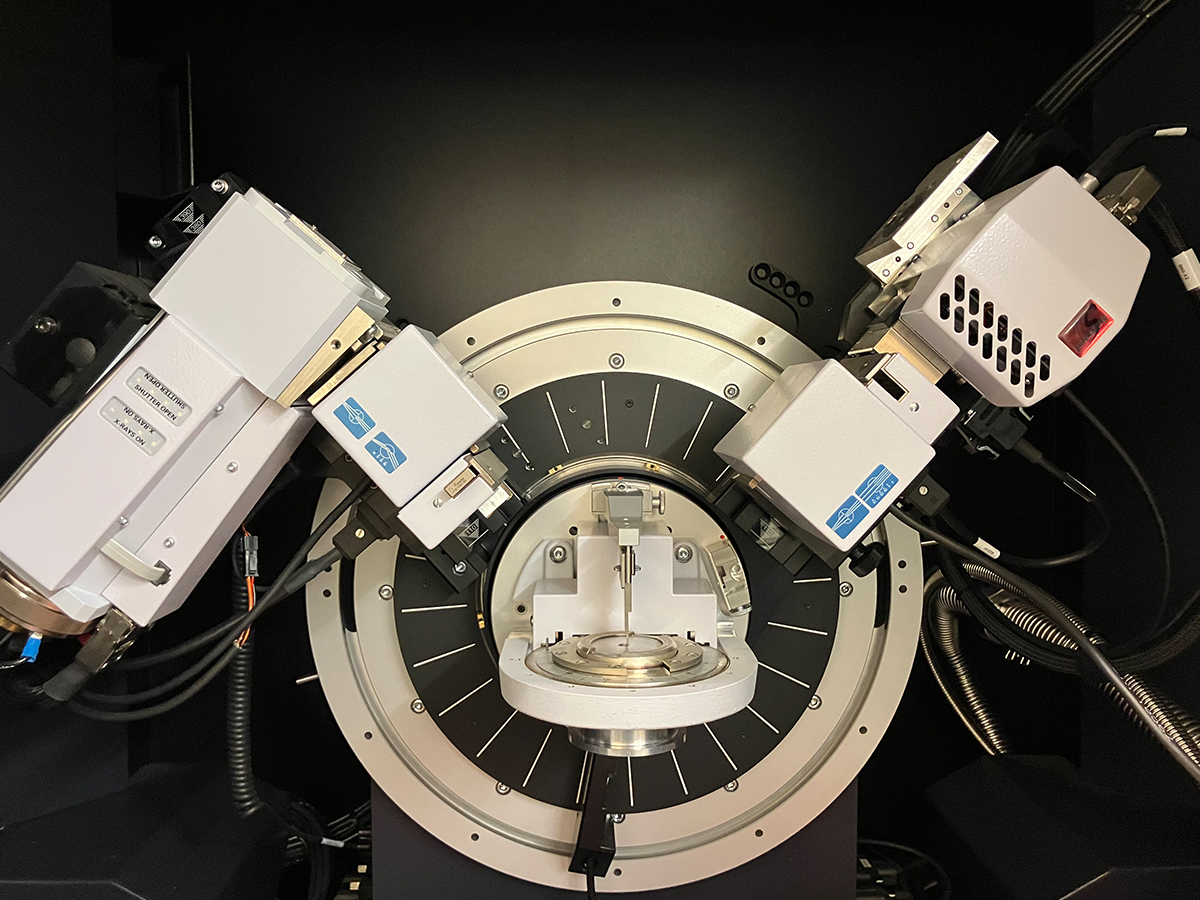
Powder X-Ray Diffraction, in the Shared Instruments Laboratory in the Department of Chemistry at the College of Science. -
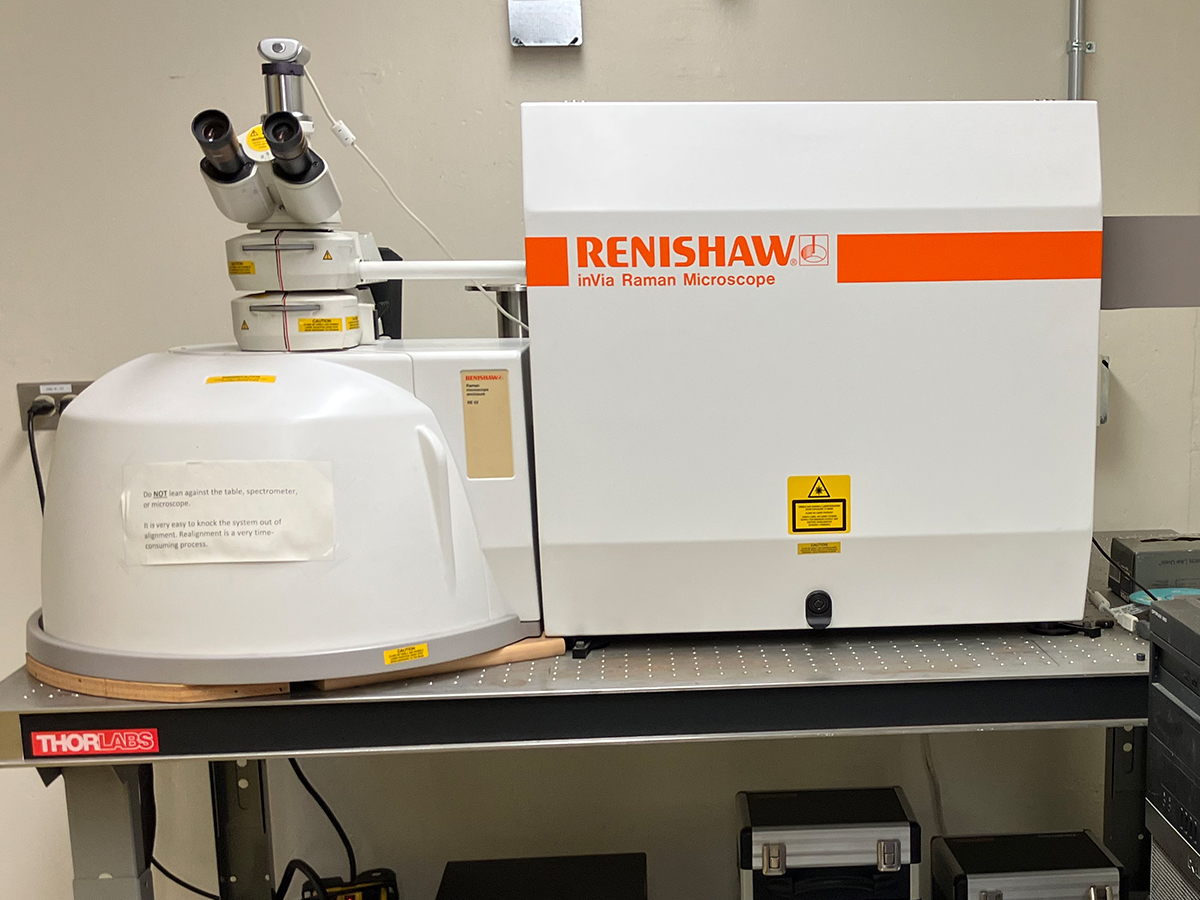
Renishaw Raman microscope, in the Shared Instruments Laboratory in the Department of Chemistry at the College of Science. -
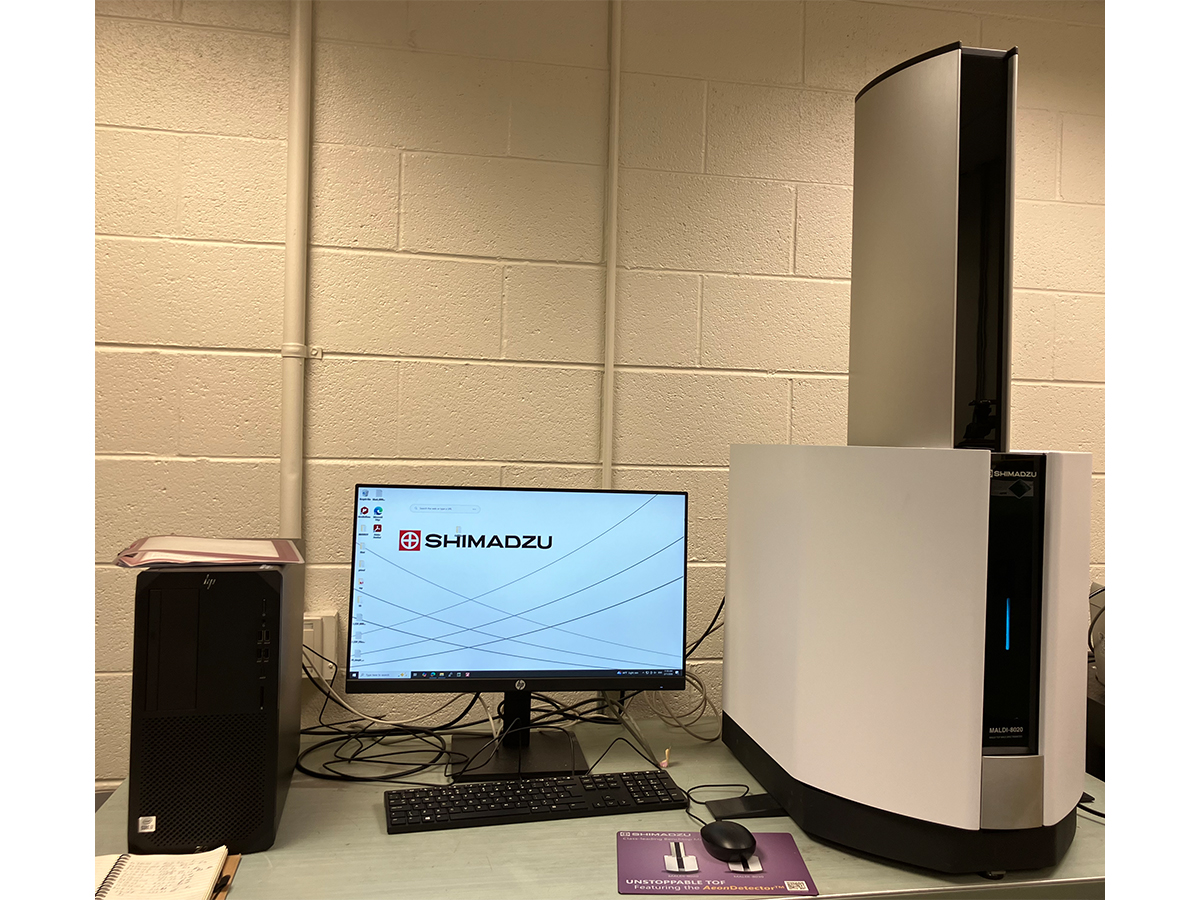
Shimadzu MALDI-8020 matrix-assisted laser desorption/ionization time-of-flight mass spectrometer, in the Shared Instruments Laboratory in the Department of Chemistry at the College of Science. -
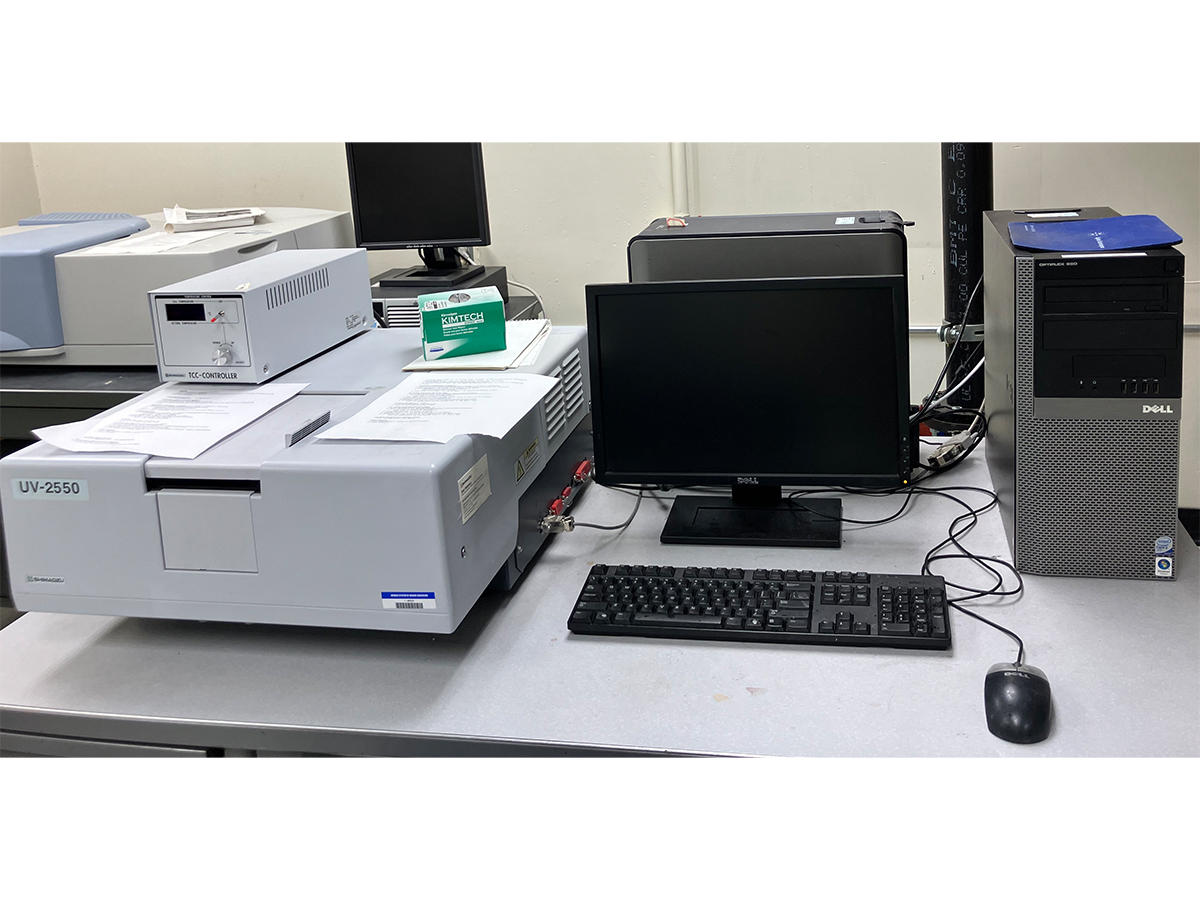
Shimadzu UV-2550 UV/VIS spectrophotometer, in the Shared Instruments Laboratory in the Department of Chemistry at the College of Science. -
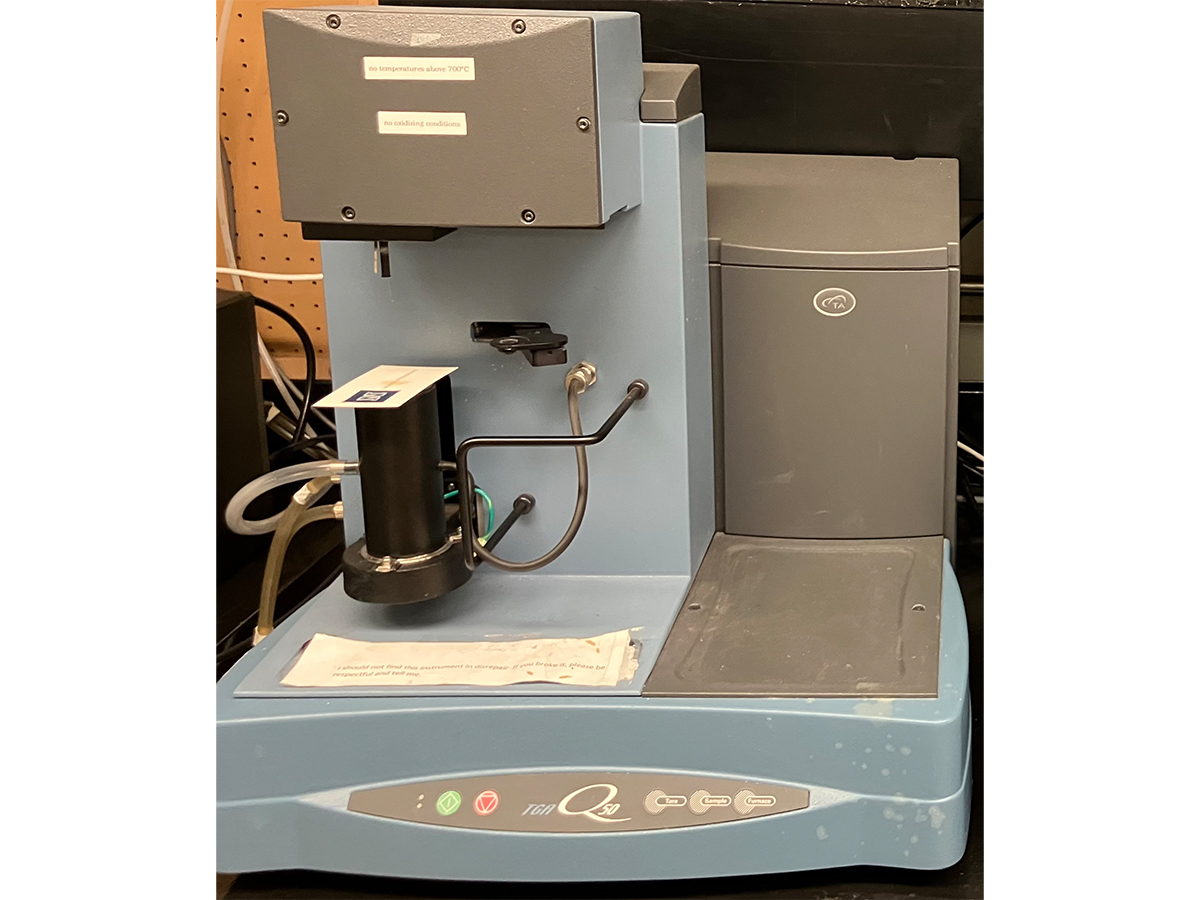
Thermogravimetric Analysis (TGA), in the Shared Instruments Laboratory in the Department of Chemistry at the College of Science. -
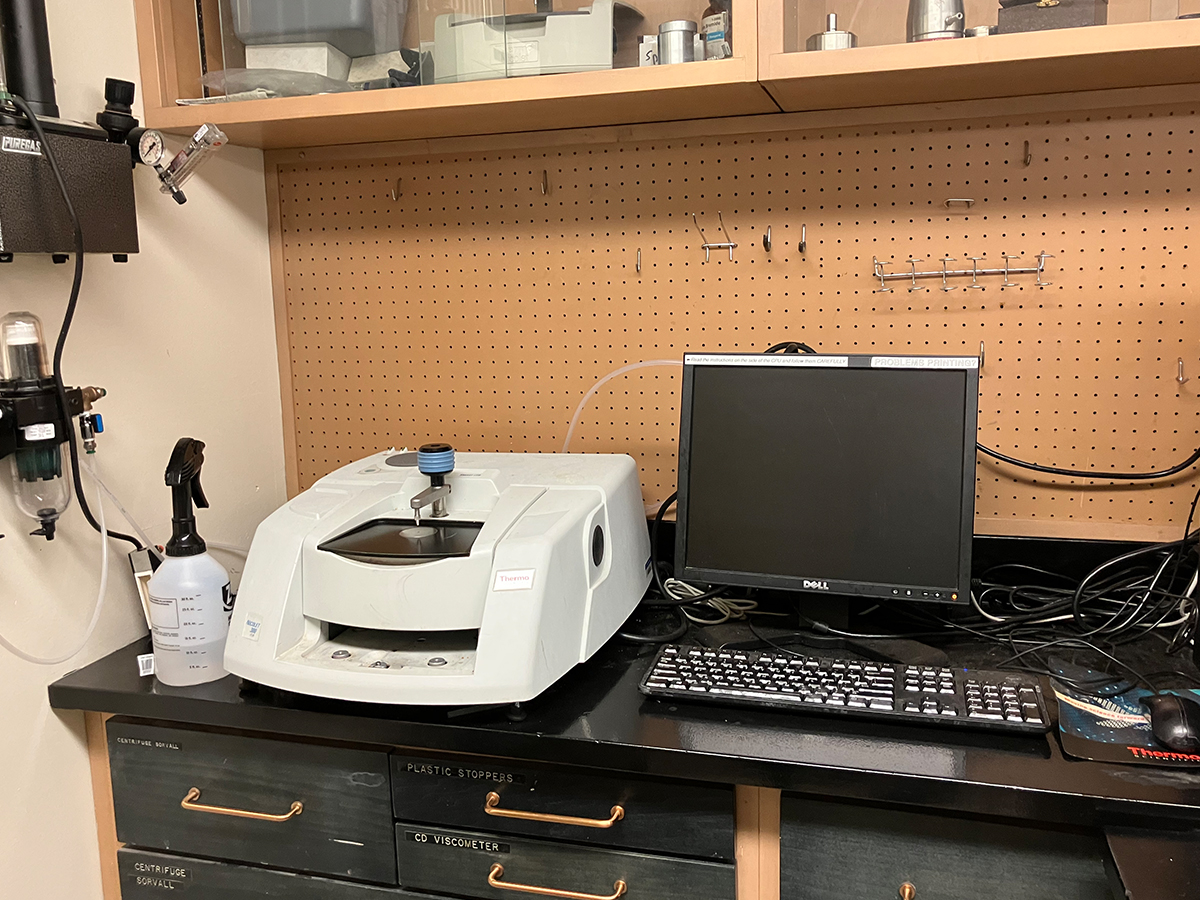
Bruker Tensor 27 FTIR spectrometer coupled with the Hyperion FTIR microscope, in the Shared Instruments Laboratory in the Department of Chemistry at the College of Science. -
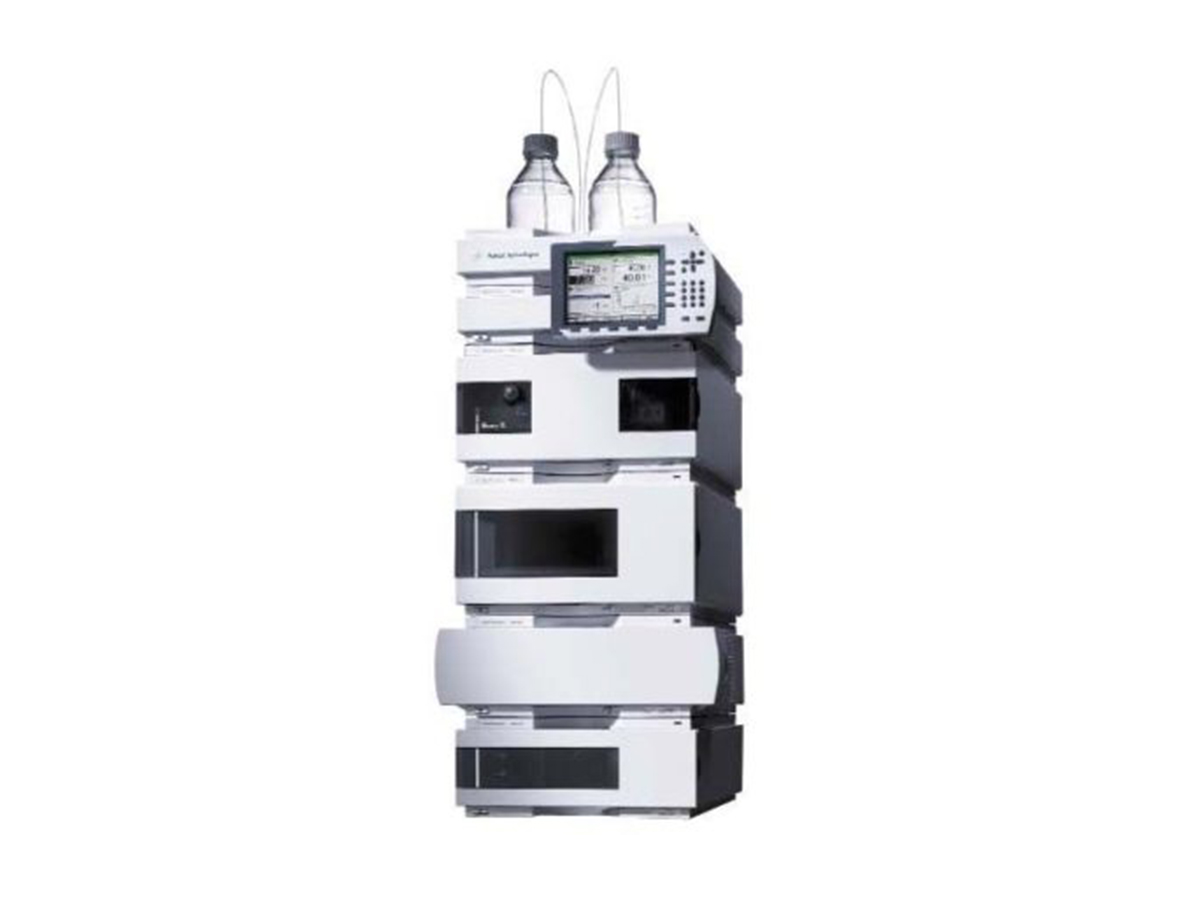
Agilent 1200 Series HPLC equipped with a quaternary pump and a diode array detector, in the Shared Instruments Laboratory in the Department of Chemistry at the College of Science. -
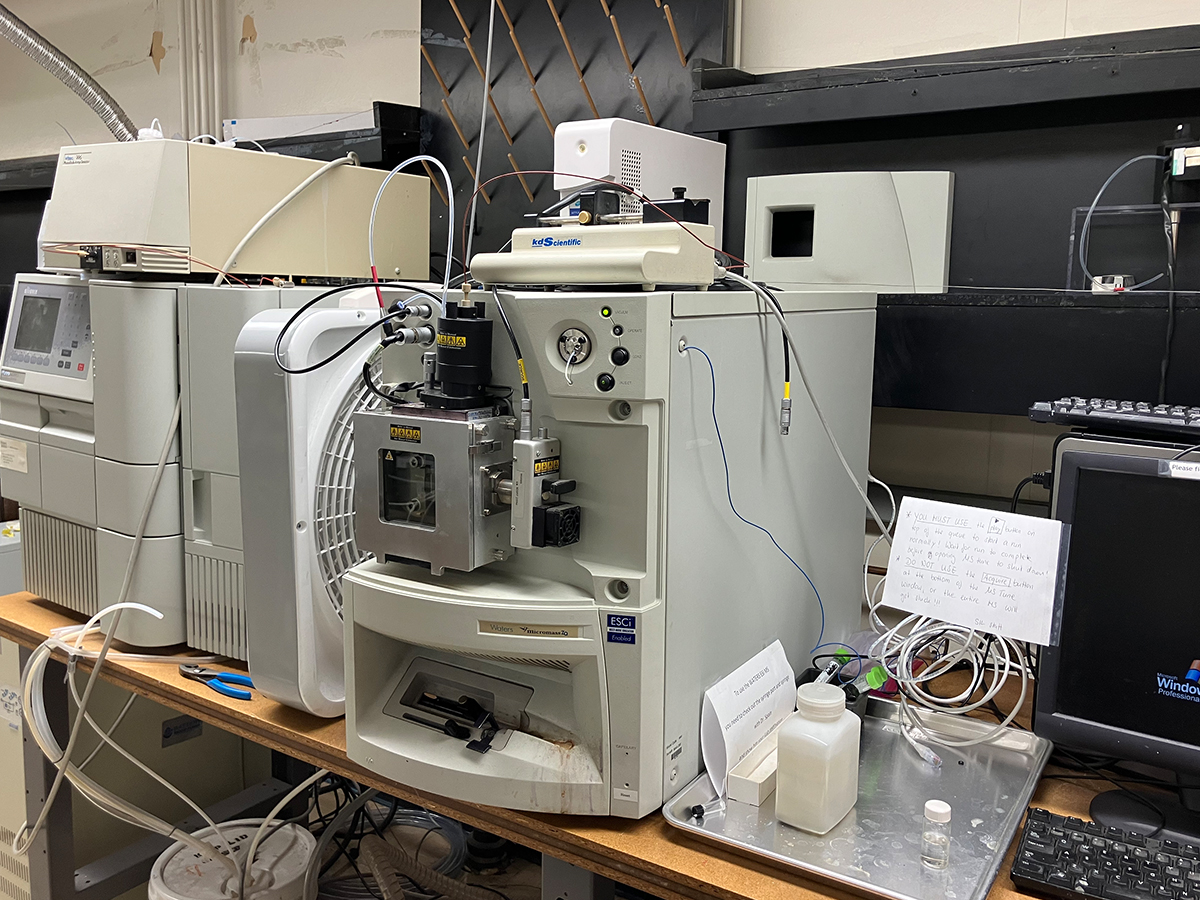
Waters Micromass ZQ quadrupole mass spectrometer, in the Shared Instruments Laboratory in the Department of Chemistry at the College of Science. -
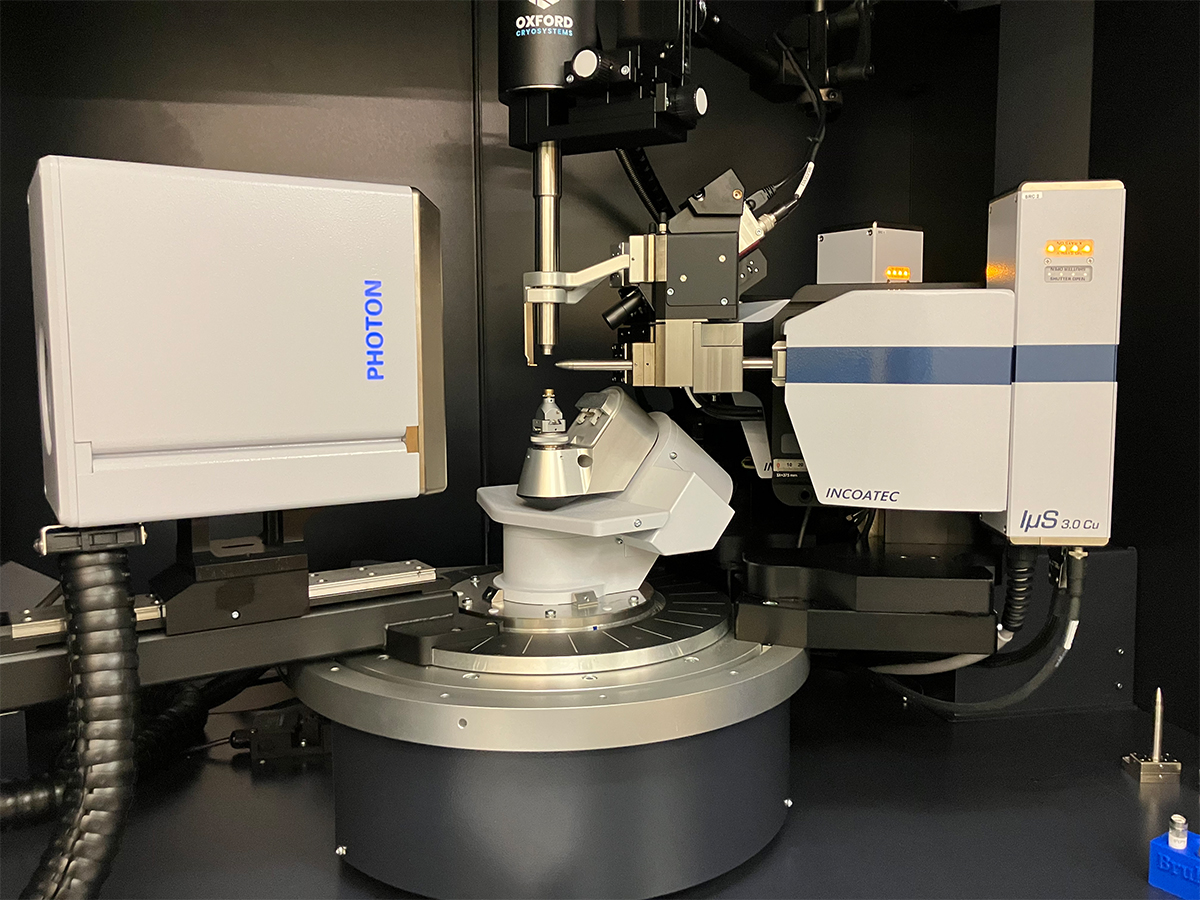
Bruker D8 Venture single-crystal x-ray diffractometer, equipped with a four-circle Kappa goniometer, in the Shared Instruments Laboratory in the Department of Chemistry at the College of Science.