Steven Frese: Hidden order in human microbiomes: Applying data science to early life microbiomes
 Title
Title
Hidden order in human microbiomes: Applying data science to early life microbiomes
Mentor
Department
Biosketch
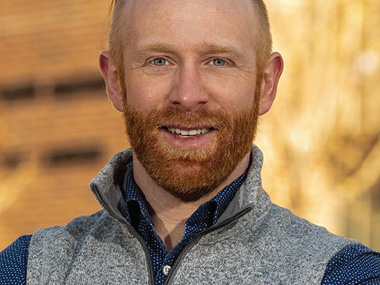
Steve Frese, Ph.D. is an Associate Professor in the Department of Nutrition at the University of Nevada, Reno and holds an appointment at the University of Nevada, Reno School of Medicine. He earned his doctorate at the University of Nebraska, Lincoln and completed postdoctoral training at the University of California, Davis. Before coming to the University of Nevada, Reno, he led research and development in the biotech industry, leading to products that support healthy growth and immune development among term and pre-term infants. His research is centered on the human gut microbiome and its inhabitants, especially in early life.
Project overview
The Pack Research Experience Program (PREP) student will use data science (bioinformatics) in a high-performance computing environment to better understand the adaptations that microbes have to different sites in and on the human body. This involves gaining experience in understanding how modern DNA sequencing techniques are used, how we analyze this data, and how data science and machine learning (‘AI’) can be used efficiently on data sets of extraordinary size to answer important questions about human health and development in early life.
Student Training Opportunities
- Working in a cloud computing environment
- Accessing and analyzing biological data from public repositories
- Analyzing ‘big data’ from biological systems
- Using machine learning (AI) and statistics to address biological questions
- Communicating results/findings to general and scientific audiences
Required Qualifications
Students should have some prior experience with a relevant programming language (e.g., Python). This could include formal coursework like CS138 or a workshop, or it could be self-directed experience. An interest in nutrition, microbiology, and/or health in early life (e.g., pediatrics or neonatology) are a plus.
Maximum hours per week
The PREP student will be expected to work on the project for a maximum of 10 hours per week.
Pack Research Experience Program information and application