Educational seminar series: Research at Whittell Forest & Wildlife Area

Effects of human activities on movements and habitat use of large mammals

Oct. 7, 2026, 6-7 p.m. (doors open at 5:30 p.m.)

Kelley M. Stewart, Ph.D., professor, wildlife ecology and conservation
Department of Natural Resources and Environmental Science
College of Agriculture, Biotechnology and Natural Resources

Our research team’s work at the Whittell Forest & Wildlife Area is looking at diet composition of black bears in a wildland setting (Whittell) and on the wildland-urban interface (the Little Valley Research Station). We are collecting feces to estimate diet as well as camera traps to identify individuals and their body condition through photos. This will help us understand the population ecology and dynamics of large mammals.
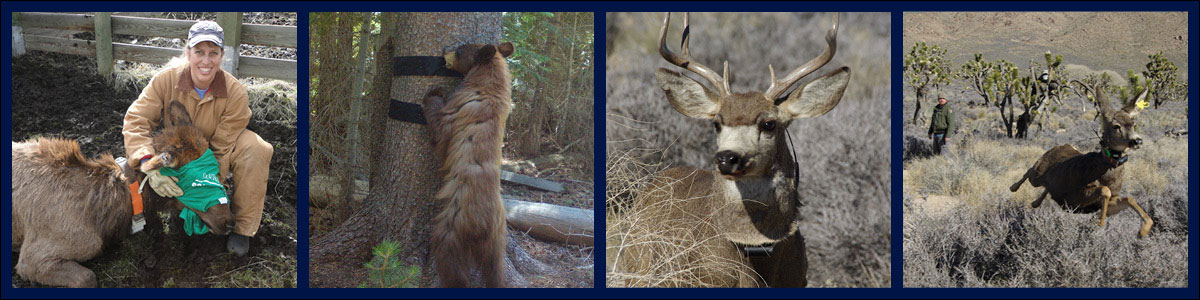
Collage of four photos showing the speaker and their field research.

How tree rings reveal the fire history of the pre-Comstock period for the Tahoe region

Nov. 4, 2026, 6-7 p.m. (doors open at 5:30 p.m.)

Erica Bigio, Ph.D., teaching associate professor
Department of Natural Resources and Environmental Science
College of Agriculture, Biotechnology

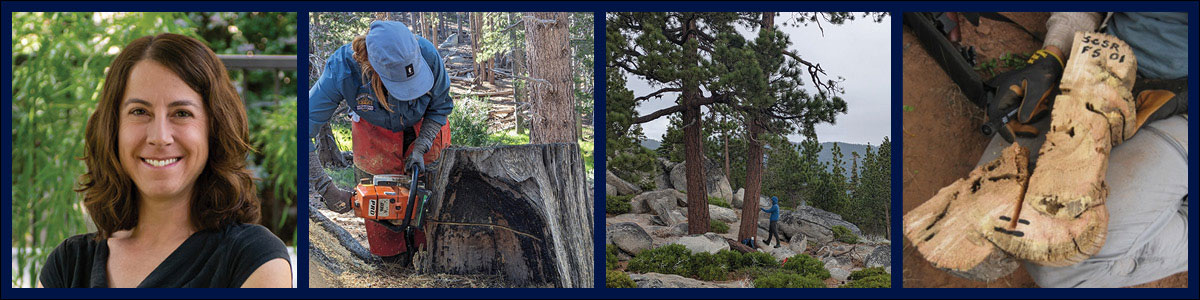
I apply dendrochronology methods to study the fire and climate history of arid forests of the southwestern U.S. and elsewhere. This work shows how fire regimes were influenced by fire and human interactions over the past 500 years and often changed dramatically after European settlement in the western U.S. At Whittell, I aim to determine the frequency and extent of past surface fires prior to disruption of fire regimes in the late 1800s.

Collage of four photos showing the speaker and their field research.

When the trees come down: Linking forest restoration to stream food webs

Dec. 16, 2026, 6-7 p.m. (doors open at 5:30 p.m.)

Jeffrey A. Falke, Ph.D., unit leader
U.S. Geological Survey
Nevada Cooperative Fish and Wildlife Research Unit

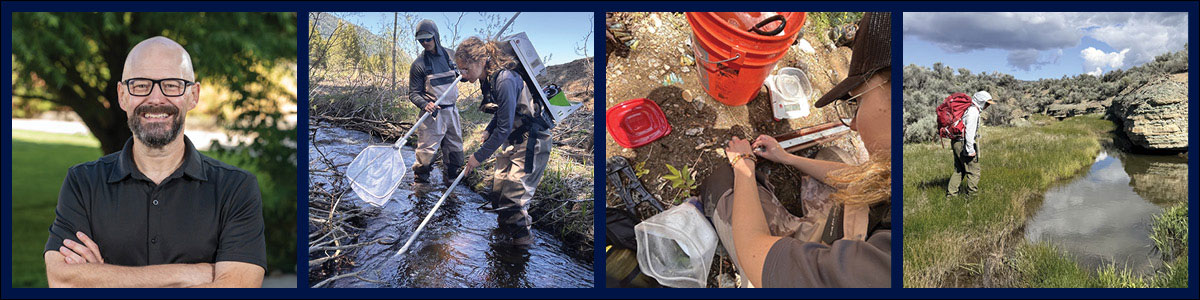
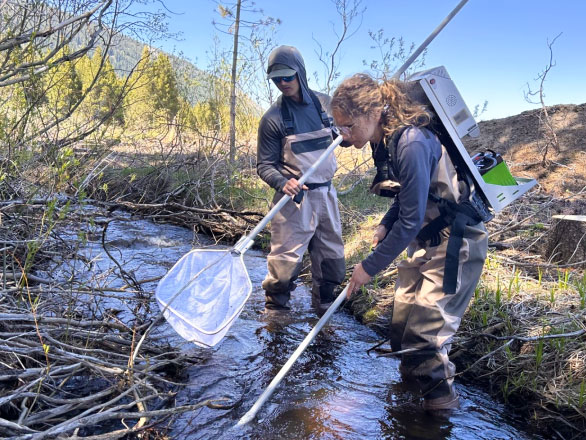
Our lab is studying what happens to a small forest stream when crews thin the conifers crowding its bank – work done to restore mountain meadows and reduce wildfire risk. By monitoring the stream before and after treatment and comparing treated reaches to untouched ones, we're tracking how the added sunlight moves through the food web so that land managers can plan forest work in ways that protect streams and the wildlife they support.

Collage of four photos showing the speaker and their field research.


Register for one or more of the fall 2026 educational seminars

You may register for one or more of the seminars at once, or register individually as the time approaches for each seminar. Space is limited, and registration will close as the attendee cap is met for each event or one week before the event date. If a seminar is full and you would like to be added to the wait list, please email littlevalley@unr.edu.