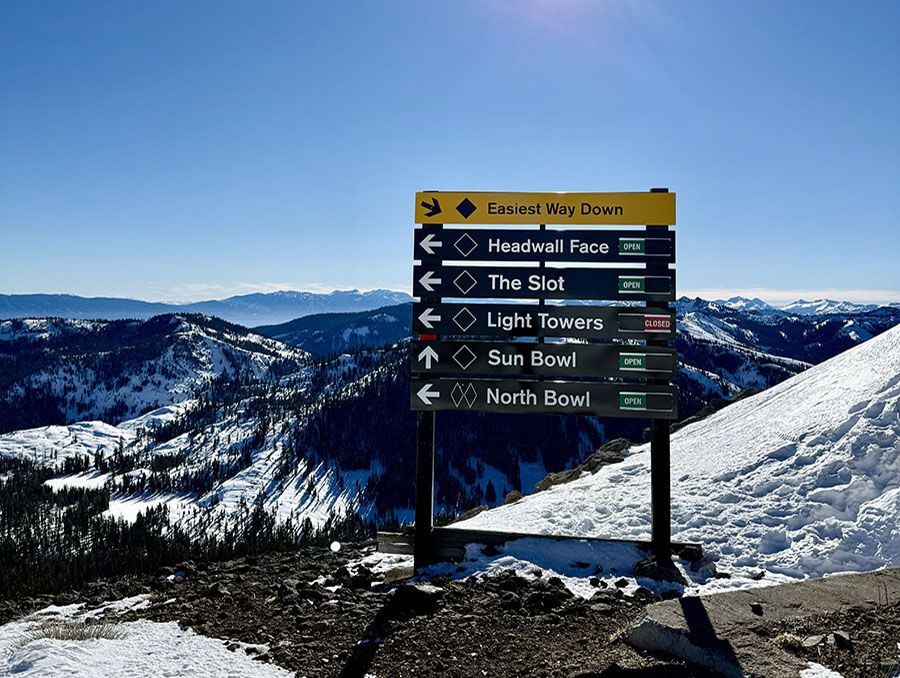
In Northern Nevada, access to world-class winter recreation is part of daily life. With the recent snow covering the High Sierra and surrounding trails, athletes of all ages and abilities are taking to the slopes, ice rinks and backcountry — which demands specialized medical expertise tailored to the region.
At the University of Nevada, Reno School of Medicine (UNR Med), the Sports Medicine Fellowship prepares physicians to care for athletes not only in clinics and training rooms, but also on the slopes of the High Sierra.
Understanding winter sport injuries
Winter sports carry distinct injury risks shaped by speed, terrain and environmental conditions. Snowboarders commonly sustain wrist and ankle fractures, while skiers more frequently experience ACL tears and “skier’s thumb.” Across both sports, knee injuries, fractures and concussions are the most common — underscoring the physical demands of time on the mountain.
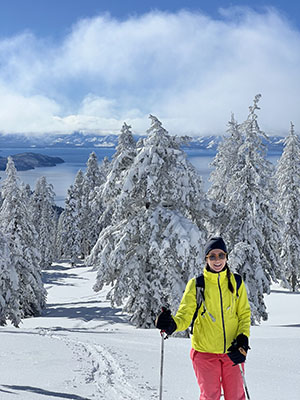
Experience level also plays a significant role in injury patterns, notes Sports Medicine Fellow Nicole Clifton, D.O. Beginners often fall more frequently, typically sustaining bruises, hip contusions or wrist injuries from breaking their fall. More advanced skiers and snowboarders may fall less often, but at higher speeds or in more technical terrain, increasing the risk of more severe injuries.
“The key is to push to the edge of your comfort zone without putting yourself in terrain beyond your ability level,” Clifton said.
Prevention, however, begins long before an athlete clicks into their bindings.
Sports Medicine Fellow Alexandra “Ola” Kamieniecki, M.D., echoes the importance of helmets, proper gear, preparation and conditioning. Strengthening the quads, hamstrings, glutes, core and hip stabilizers can help reduce injury risk, particularly for ACL tears. She also stresses listening to your body — when fatigue sets in, it’s time to call it a day.
For those venturing into the backcountry, preparation is essential. Clifton reinforces carrying a beacon, shovel and probe at all times.
“It’s like a seatbelt,” she said. “You hope you never need it, but you always wear it.”
From athlete to physician
For Kamieniecki, caring for winter athletes is both professional and deeply personal. A former competitive figure skater, she says her own injuries sparked her curiosity about how the body heals.
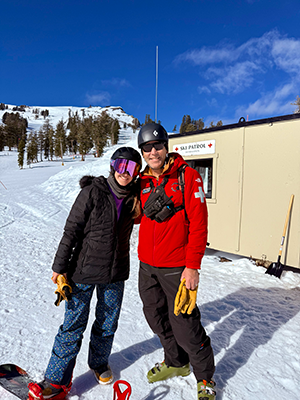
“I experienced firsthand the impact that knowledgeable and compassionate physicians can have on an athlete’s career and quality of life,” she said.
That perspective shapes how she approaches patient care today. Many athletes train through pain long before seeking treatment, allowing minor issues to progress. At the same time, serious injuries can happen in an instant and require rapid assessment.
“Athletes want to perform at 100% and get back as quickly as possible,” Clifton added. “Sometimes our role is to hold them back rather than push them forward — especially when that protects their long-term health.”
Medicine in the mountains
Providing on-site medical coverage at mountain venues is vastly different from practicing in a traditional clinic.
“Austere environments require different emergency action plans,” explains Mark Stovak, M.D., CAQ-Sports Medicine, professor of family and community medicine. He says this includes preparation for evacuation, cold exposure and stabilization in extreme weather.
Physicians working slope-side must be ready to shift instantly from recreation to emergency response. They prepare for acute injuries, ensure emergency equipment such as AEDs are accessible and have clear plans for transporting injured athletes off the mountain.
Kamieniecki and Clifton recently completed a six-week ski rotation at Palisades Tahoe and Northstar California Resort, where they trained alongside ski patrollers and treated injuries on-site.
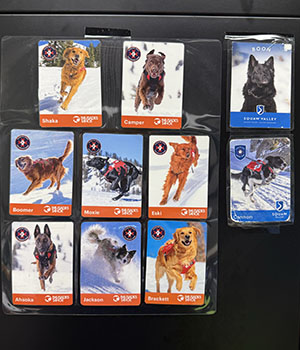
“I was able to snowboard with ski patrol, meet avalanche dogs and reduce some fractures all during the same shift,” Kamieniecki said. “Best day of fellowship yet.”
A fellowship built for the outdoors
UNR Med’s Sports Medicine Fellowship offers a dynamic curriculum that blends rotational and longitudinal training experiences. Fellows collaborate with local physical therapists and work closely with the University’s ski team — an opportunity made possible through the expansion of the University’s Lake Tahoe campus — gaining hands-on experience in real-time mountain environments.
The program also features a combined Wilderness and Sports Medicine Fellowship, further strengthening training in austere and outdoor care settings. Upon completion, graduates are eligible to apply for a Certificate of Added Qualifications (CAQ) in sports medicine, enhancing their expertise in the field.
For Clifton, the fellowship’s connection to the region’s mountain culture is what truly sets it apart.
“It’s great to see the lifestyle of our mountains overlap with our work,” she said. “Many of the ski physicians truly enjoy being out there — and then giving back in the same environment.”
As snow continues to define winters in the Sierra, UNR Med fellows train where mountain conditions are immediate and unpredictable — preparing to keep athletes safe, resilient and, as Stovak put it, “on the track, even if not running at full speed.”


