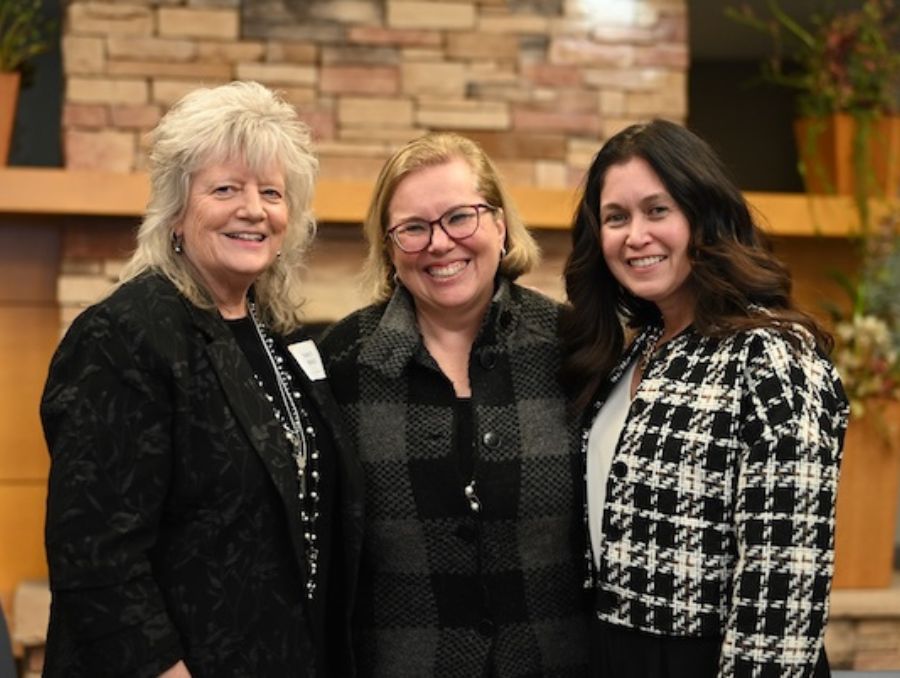
It is with gratitude that the Center for the Application of Substance Abuse Technologies (CASAT) acknowledges the retirement of Nancy A. Roget, M.S., MFT, LADC, a leader whose commitment, vision and compassion have shaped CASAT and the behavioral health workforce for more than three decades. Roget’s career reflects a deep dedication to supporting communities, providers and the many individuals and families impacted by substance use and mental health challenges.
A career rooted in service and education
For more than thirty years, Roget has been a leader focused on people and the success of counseling services, and it is precisely this commitment that has helped CASAT grow and thrive. As she retires from CASAT, her legacy lives in every behavioral health professional she has mentored, every family touched by the workforce she helped shape and every student who has benefited from the training curricula that she has created. Roget has strengthened CASAT’s programs and expanded the dissemination of this critical information to fields outside of addiction services. The impact of CASAT under her direction has reached well beyond the boundaries of the State of Nevada, impacting both professionals and students across the nation.
Roget’s story at CASAT began in 1994 when she joined as an instructor and lecturer with the Addiction Technology Transfer Center, but her commitment to helping individuals with substance use challenges spans 45 years. She started her career as a direct care provider, working directly with patients and families as they navigated recovery. Her talents and dedication quickly led her into roles where she could impact even more lives, serving as both an instructor at the University and a trainer for the State of Nevada.
When Roget joined CASAT in 1994, she brought with her decades of clinical foundation in adolescent and family treatment. More importantly, she brought a genuine understanding of what it means to serve communities facing substance use and mental health challenges, shaped by years of hands-on work with individuals and families seeking help.

When Roget became executive director in 2006, she brought thoughtful leadership that united people around a shared mission. Licensed in Nevada as both a substance abuse counselor and a marriage and family therapist, she brought a unique ability to blend clinical expertise with academic rigor and authentic human connection. This combination allowed her to build programs that were both evidence-based and deeply responsive to the needs of the people they served. Whether teaching a class, mentoring a colleague or collaborating with partners, Roget approached every interaction with intelligence, care and respect.
Innovation, vision and national reach
Roget’s leadership was marked by innovation and foresight. Years before the broader field recognized its necessity, she championed technology as a solution to the distance and access challenges facing rural communities. In 2011, she began developing curricula and products for telehealth and digital health technologies. By 2012, she had established the National Frontier and Rural Addiction Technology Transfer Center, bringing critical resources to communities often overlooked in behavioral health initiatives.
“Nancy is a mentor, a steady leader and a true advocate for both people and systems. Working beside her for more than a decade has shaped how I lead and how I listen. Her commitment to the workforce, to innovation and to doing this work with integrity will continue to guide CASAT well into the future,” said Michelle Berry, executive director of CASAT
Her vision and influence extended across geographic regions. As principal investigator and project director for the Pacific Southwest Rural Opioid Technical Assistance Regional Center for Region 9 and co-director for the Region 8 Mountain Plains Addiction Technology Transfer Center, Roget supported states from the Pacific to the Great Plains, creating networks of care and collaboration that strengthened the behavioral health workforce across thousands of miles.
A legacy of expanding reach and deepening impact
Under Roget’s leadership, CASAT did not just grow. It evolved to meet the changing needs of the behavioral health workforce. She secured federal and state grant funding that expanded CASAT’s capacity to support professionals, created new training opportunities and reached rural and underserved communities facing critical access gaps.
Throughout her career, Roget played a central role in developing nationally used curricula, advancing culturally responsive and evidence-based training and pioneering virtual and web-based learning well before it became standard practice. Her commitment to innovation positioned CASAT as a trusted resource both statewide and nationally.
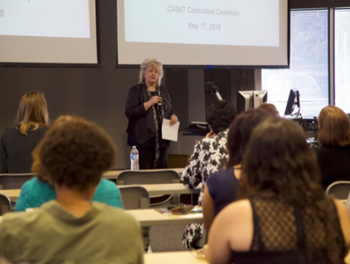
CASAT founder and former director Gary Fisher, Ph.D. witnessed that growth firsthand.
“I am grateful for your leadership and for the way you helped take CASAT to new levels. Thank you from the bottom of my heart,” Fisher said.
But Roget’s real legacy lives in the professionals whose confidence, careers and commitment to service were shaped through her guidance.
“Nancy Roget’s leadership embodies the very best of public health,” said Muge Akpinar-Elci, MD, MPH, dean of the School of Public Health. “She has built programs grounded in compassion, evidence and respect for community, while never losing sight of the people at the heart of the work. Her legacy is not only what CASAT has become, but the countless professionals who carry her values forward every day.”
Nancy’s influence extended across the University and the broader behavioral health field.
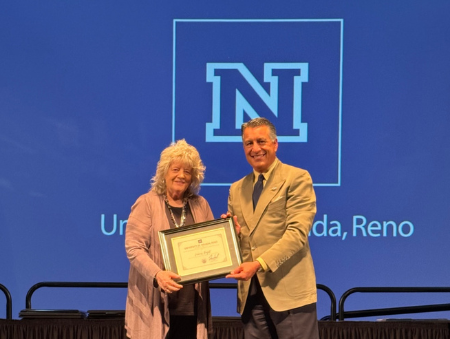
“Congratulations on your retirement. What I am really congratulating is your tremendous achievement in growing a large educational and service organization with a critical focus on substance use and health,” said Marc Johnson, Ph.D., president emeritus of the University of Nevada, Reno. “Your work required true entrepreneurship. You are a health care heroine who earned the respect of your colleagues by respecting them in return. I hope you find enjoyment and fulfillment in the next chapters of your life.”
In 2024, the University recognized Roget’s leadership and dedication with the Outstanding Leadership and Supervisor Award.
Honoring Nancy, investing in the next generation
As Roget begins this new chapter, CASAT and the School of Public Health are honoring her contributions through the naming of the Nancy A. Roget Scholarship Endowment for Behavioral Health Workforce Academic Programs.
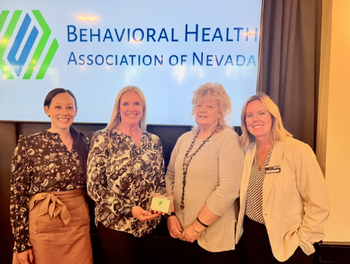
This scholarship fund celebrates Roget’s more than three decades of leadership and commitment to strengthening the behavioral health workforce. Donations to the scholarship support students pursuing academic pathways in addiction treatment and behavioral health services, helping them achieve their educational goals and serve individuals and families impacted by substance use disorders.
Through this endowment, Roget’s legacy of mentorship, education and service continues by investing in the next generation of providers and ensuring her impact endures for years to come.
“You made our community, state and nation a better place to live,” said Nora Luna, Urban 4-H youth development faculty member, former CASAT colleague and friend. “I am celebrating with you and wishing you an amazing retirement.”
Continuing the legacy
As Roget steps away from her formal role, her influence remains deeply woven into CASAT’s mission, its people and the broader behavioral health field. CASAT and the University extend the deepest gratitude for her decades of service and celebrate a legacy that will continue to make a lasting difference across Nevada and beyond.
Looking ahead, CASAT will continue its work under the leadership of Michelle Berry, the organization’s new executive director.
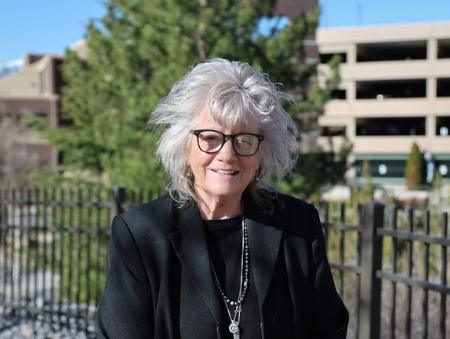
“Nancy is a mentor, a steady leader and a true advocate for both people and systems,” said Berry, CASAT executive director. “Working beside her for more than a decade has shaped how I lead and how I listen. Her commitment to the workforce, to innovation and to doing this work with integrity will continue to guide CASAT well into the future.”
Roget’s dedication to developing the behavioral health workforce continues through an endowment supporting the next generation of providers.


