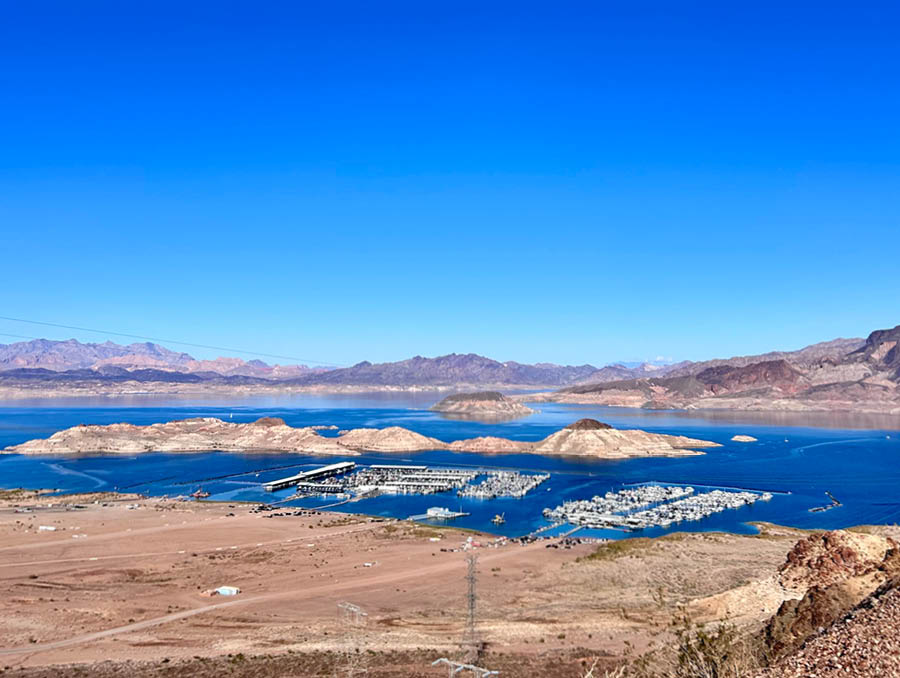
On Feb. 12 from 5-8 p.m., University faculty members will join an interdisciplinary panel of experts at the Nevada Museum of Art to discuss the mighty Colorado River from the transboundary to local. Join the panelists and be inspired by ‘The American Southwest,’ a family-friendly wildlife movie that takes viewers on an unforgettable journey down the Colorado River. Register for the event online to secure a spot.
“This program brings together research-based art and science practices alongside lived experience and environmental stewardship to deepen our understanding of the American Southwest,” said Colin Robertson, senior vice president of education and research at the Nevada Museum of Art. “The focus of the film and discussion is a perfect prelude to the Museum’s internationally recognized Art + Environment Summit April 16-18.”
Narrated by Quannah Chasinghorse, the film showcases the region’s abundant wildlife, confronts the ecological impacts of dams and water overuse and advocates for better management of the river. Made in association with Natives Outdoors, the movie incorporates an Indigenous storyline and is told through the perspective of some of the Southwest’s most charming characters such as industrious beavers, bugling bull elk and soaring condors.
The film is followed by a panel discussion highlighting the cultural and environmental conservation needs of the Colorado River Basin and local water context featuring Sinjin Eberle from the nonprofit American Rivers; Ryan Olinger from Fork Tailed Media; and Elizabeth Koebele, associate professor of political science in the College of Liberal Arts at the University of Nevada, Reno.
“The way this film guides the audience down the Colorado River, from its headwaters to the sea, is simply a remarkable feat,” said Eberle. “Viewers are immersed in the landscapes, wildlife, cultural histories, and policy implications of life across the Colorado Basin, while mesmerized by Quannah’s deeply personal narration.”
Additionally, students are invited to join panelists Eberle and Koebele from 4 to 4:45 p.m. before the event at Perenn Bakery inside the Nevada Museum of Art to discuss the filming of the movie and Colorado River Policy.
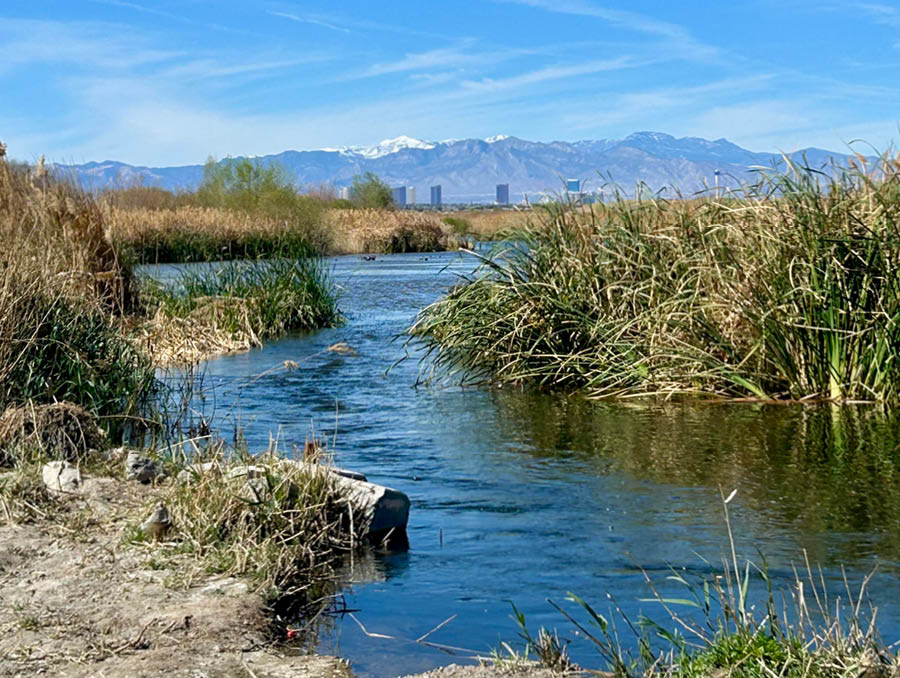
“I’m thrilled to be part of the Nevada Museum of Art’s efforts to create dynamic spaces where urgent climate and sustainability challenges can be explored,” said Sudeep Chandra, Ph.D., Tahoe Institute for Global Sustainability faculty and foundation professor of biology at the University of Nevada, Reno. “This film screening and panel highlight the incredible power of interdisciplinary collaboration to address a landscape that matters so deeply to many people.”
Panelist Elizabeth Koebele, Ph.D., is an associate professor of political science at the University, where she is also affiliated with the Graduate Program of Hydrologic Science. Her research has explored topics like collaborative environmental governance and water policy and management in the western United States. Her recent work focuses on how Colorado River governance has evolved over time, especially in relation to who is involved in decision making processes and the impacts of their choices for humans and the environment.
“Including more diverse voices and viewpoints in political and public discussions is crucial for sustaining the Colorado River for a variety of needs, from drinking water and irrigated agriculture to native species and recreational and cultural uses,” said Koebele. “'The American Southwest' helps prompt these important conversations and show how these needs are interdependent.”
The film screening and panel discussion is open to the public; advanced registration online is required.
This event would not have been possible without collaborators including The Tahoe Institute for Global Sustainability; The Hitchcock Project for Visualizing Science; The Ozmen Institute for Global Studies; the Nevada Museum of Art; and the University of Nevada, Reno’s Graduate Program of Hydrologic Sciences, Department of Art, Art History, and Design, and Department of Political Science.


