Carina Seitz: Particles in Lake Tahoe and water clarity
 Title
Title
Particles in Lake Tahoe and water clarity
Mentor
Department
Biosketch
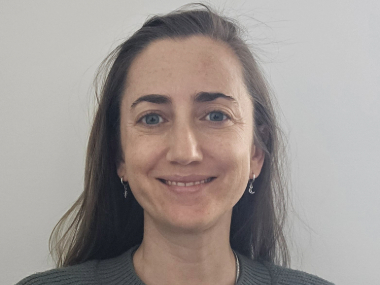
Carina Seitz, Ph.D., is a research assistant professor in the Department of Biology at the University of Nevada, Reno, and a faculty affiliate of the Tahoe Institute for Global Sustainability. She completed her doctoral degree in geology and has interdisciplinary training that bridges geology, ecology, and biology, with research experience across North and South America.
Seitz’s research focuses on understanding how particles in lake water, such as algae, organic matter, and fine sediments, affect water clarity, ecosystem health, and long-term environmental change. A major focus of her work is at Lake Tahoe, one of the clearest lakes in the world, where she investigates how changes in particle composition and quantity influence light penetration and overall lake condition.
She has extensive experience working with diatoms and algae in both modern and long-term (historical) lake studies, and she enjoys mentoring students who are interested in aquatic biology, limnology, and environmental science. Seitz values inclusive, hands-on research experiences and is particularly interested in helping early-career undergraduates build confidence, practical skills, and curiosity through real-world scientific projects.
Project overview
This project focuses on understanding how particles suspended in the water of Lake Tahoe influence lake clarity and water quality. Particles such as algae, organic matter, and fine sediments affect how light travels through the lake and are important indicators of ecosystem health. The Pack Research Experience Program (PREP) student will work directly with Seitz during field sampling, laboratory preparation, and data analysis activities. During fieldwork, the student will assist with organizing sampling equipment, preparing sample bottles and filters, and helping collect water samples and using diverse instrumentation following established safety and sampling protocols. In the laboratory, the student will be trained to perform basic analytical tasks. The student will also assist with simple laboratory setup tasks such as labeling, filtering samples, and maintaining organized records.
In addition, the student will work with Seitz to organize, visualize, and analyze the data collected during the project. This includes entering data into spreadsheets, checking for errors, creating basic graphs, and learning how scientists interpret results to understand changes in lake clarity. All training will be provided, and tasks will be adjusted to the student’s comfort level and experience.
Pack Research Experience Program information and application