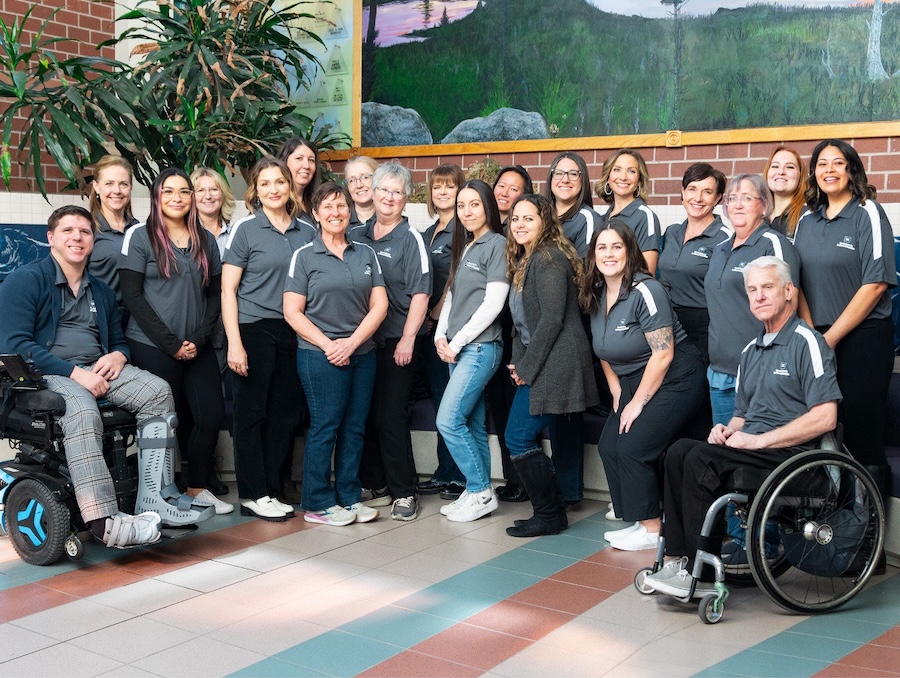
March marks National Developmental Disabilities Awareness Month, a time dedicated to celebrating the contributions of individuals with disabilities and promoting inclusive communities across the country. At the University of Nevada, Reno, the Nevada Center for Excellence in Disabilities (NCED) continues to play a critical role in advancing accessibility, education and opportunities for individuals with disabilities and their families throughout Nevada.
As Nevada’s only designated University Center for Excellence in Developmental Disabilities (UCEDD), NCED works with community partners, educators, policymakers and families to expand access to services, research and training that improve quality of life statewide.
“From training future professionals to expanding clinical and community-based services, we continue to build an inclusive Nevada where all people can thrive,” said Randall Owen, director of the Nevada Center for Excellence in Disabilities.
Over the past year, NCED programs have reached thousands of Nevadans through education, clinical services and community engagement.
In Fiscal Year 2025 alone:
- 1,988 individuals and families received direct clinical services.
- 420 university students participated in academic and leadership training programs.
- 602 individuals benefited from assistive technology demonstrations.
- NCED staff served on 40 local, state and national boards and committees supporting disability policy and systems change.
These efforts support NCED’s mission to improve independence, inclusion and opportunity for people with disabilities across Nevada through interdisciplinary training, research, community service and information dissemination. NCED programs address a wide range of needs across the lifespan.
The Nevada Assistive Technology Resource Center (NATRC) and related assistive technology initiatives provide device loans, demonstrations and training that help individuals with disabilities access tools that support communication, mobility and daily living. These programs also train educators and professionals on how to incorporate assistive technology into schools and community settings.
Through the Family Navigation Network (FNN), they help families connect with resources, navigate services and advocate for their children. The program also hosts workshops and events, including the Transitioning Together Summit, which supports youth with disabilities and their families as they prepare for adulthood.
NCED’s clinical programs also support individuals and families through evaluation and consultation services. The Prenatal Exposure Assessment Team (PEAT) and the Prenatal Exposure Education Project (PEEP) provide specialized evaluations and training related to fetal alcohol spectrum disorders, while Positive Behavior Support of Nevada (PBS-NV) and the Healthy Home Life (HHL) program provide behavioral consultation and family training to support positive outcomes for children and families.
In addition to direct services, NCED plays a key role in preparing future leaders in disability services and research. More than 500 students, trainees and professionals participated in training programs, conferences and professional development opportunities coordinated by the center.
Programs such as Nevada Leadership Education in Neurodevelopmental and Related Disabilities (NvLEND) provide interdisciplinary leadership training for graduate students across health, education and social service fields. NCED also supports the Disability Studies minor and other academic programs that help students develop expertise in disability advocacy, policy and inclusive practices.
NCED also partners with schools and educators statewide through the Nevada Multi-Tiered System of Supports (MTSS) initiative and the Nevada Positive Behavior Supports and Intervention Technical Assistance Center (PBISTA).
These programs provide training, coaching and technical assistance to districts and schools implementing evidence-based practices that improve academic outcomes, student well-being and positive school climates. Nevada MTSS supported 10 districts and more than 300 schools, providing training to nearly 1,000 educators and school leaders across the state.
The Education Training and Support Project, in partnership with the Nevada Department of Education, has grown from coordinating a statewide conference to supporting a range of initiatives focused on student success. In collaboration with the Office of Comprehensive Student Services, the project helps ensure all students are prepared for college, careers and independent living. This includes providing direct support for students, professional learning for educators and administrators and engaging families in the process. Through these efforts, all 17 Nevada counties and the State Public Charter School Authority have received training and services.
Beyond direct services, NCED researchers are working to advance knowledge and improve systems that support individuals with disabilities. In 2025, faculty and staff produced 16 peer-reviewed publications and delivered 53 presentations at national and state conferences, sharing research and evidence-based practices with professionals across the country. The center’s research initiatives also emphasize collaboration with self-advocates and community partners to ensure people with disabilities are included in shaping the policies and programs that affect their lives.
National Developmental Disabilities Awareness Month emphasizes the importance of building communities where people with disabilities can fully engage and succeed. Through research, training, and direct support, the Nevada Center for Excellence in Disabilities continues to expand opportunities for individuals with disabilities to learn, work, and participate fully in their communities. As the center looks to the future, its mission remains clear: creating a more inclusive Nevada where everyone has the support and opportunity to thrive.


