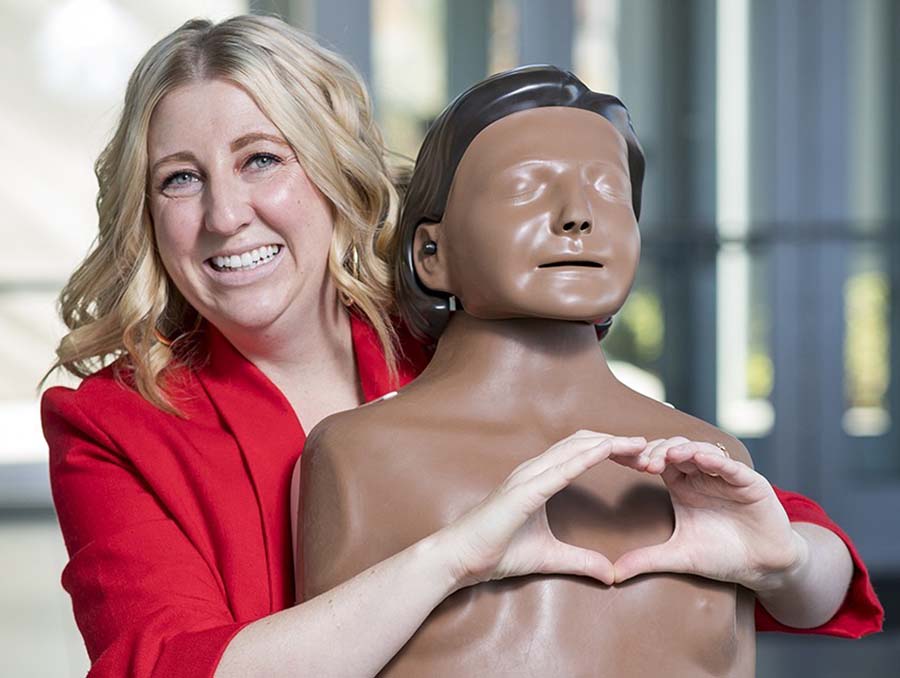
When it comes to wellness routines, simple changes can be more effective than extreme health plans according to Lorrel Toft, M.D., F.A.C.C. Dr. Toft emphasizes that heart health is built through small, sustainable habits that fit into everyday life — not extreme health plans that set unrealistic expectations.
What are some simple behaviors people can adopt to support heart health?
One key habit is eating more plants. Research consistently shows that diets centered on fruits, vegetables, beans and whole grains support cardiovascular, gut and brain health. The closer to plant-based our diet, the better for heart health overall. Another important behavior is to move more and sit less. Many people spend most of their day seated, which can have long-term consequences for cardiovascular health.
When possible, interrupt long periods of sitting by taking short walks, doing quick exercises at a desk or incorporating standing or walking workstations. Simple routines, like a walk after dinner, can also make a big difference.
Equally important is staying connected to others. Loneliness, depression and chronic stress have been linked to poorer heart health outcomes. Maintaining close relationships, building community and spending time with loved ones can positively affect both emotional and physical well-being.
How do these behaviors support heart health?
Plant-based diets support healthy cholesterol levels and reduce inflammation in blood vessels. Unlike many processed foods, plant proteins such as beans and lentils also provide fiber, which plays a key role in heart and digestive health. Most Americans do not consume enough fiber, making plant-forward eating especially beneficial.
Movement helps regulate blood sugar, lower blood pressure and reduce stress hormones like cortisol. Heart-healthy movement does not need to involve intense workouts or fitness trends. It’s about staying mobile and supporting longevity. Activities like walking, stretching and light strength exercises promote endurance and independence as people age.
Social connection and emotional support also play a critical role. Research has shown that strong relationships are associated with longer life expectancy and better heart outcomes. Physical closeness, shared activities and emotional support can help buffer stress and improve overall health.
What advice do you have for people who struggle to stay consistent?
Start small.
Simple commitments, such as a 10-minute walk after dinner, eating at least one plant with every meal or doing brief movement breaks throughout the day, are more likely to become lasting habits.
Don’t get discouraged.
If you get off track, just try again. Adjusting goals to be more realistic can help prevent burnout and frustration.
You are worth it.
Time spent preparing nutritious meals, moving the body or connecting with loved ones is an investment not only in personal well-being, but also in the ability to fully engage with family and community over the long term.
Stay inspired — not intimidated.
Social media can sometimes be a great source for wellness; however, it can also be full of unrealistic expectations and curated images. Personalizing your media consumption is a great way to have power over your algorithm. Try finding a corner of the internet where people understand your lifestyle and personal goals.
During American Heart Month and beyond, these small, intentional behaviors can add up — supporting heart health, longevity and quality of life one day at a time.


