Plenary Address
Language knowledge, experience, thoughts, and feelings: Exploring Jon Henner's "Your languaging is the story of your life" in language documentation and reclamation
Speaker: Claire Bowern
Date/time: Monday, June 22, 2026, at 10:15-11:45 a.m.
Location: John Tulloch Business Building, Room 100
When linguists participate in language projects, they often focus on language knowledge: who's a "speaker" or signer of the language. Academic (and in particular theoretical) linguists often focus on the concept of Chomsky's "ideal native speaker" in language documentation, taking monolingual speakers raised with the language from birth as the "best" people for linguists to work with. In this talk, and following language activists and linguists in many fields, I explicitly reject this focus, building instead on the late Jon Henner's notion that "your languaging is the story of your life". All our experiences with language (different languages, different varieties, modalities, ways of speaking) contribute to that language knowledge. Language experiences also influence our thoughts and feelings about language, however: where a language should be used, who should use it and what feelings it evokes when using it. I discuss some of the ways that these feelings (positive and negative) play a role in documentation and reclamation projects, particularly to support emerging, new, and silent speakers/signers in their language goals.
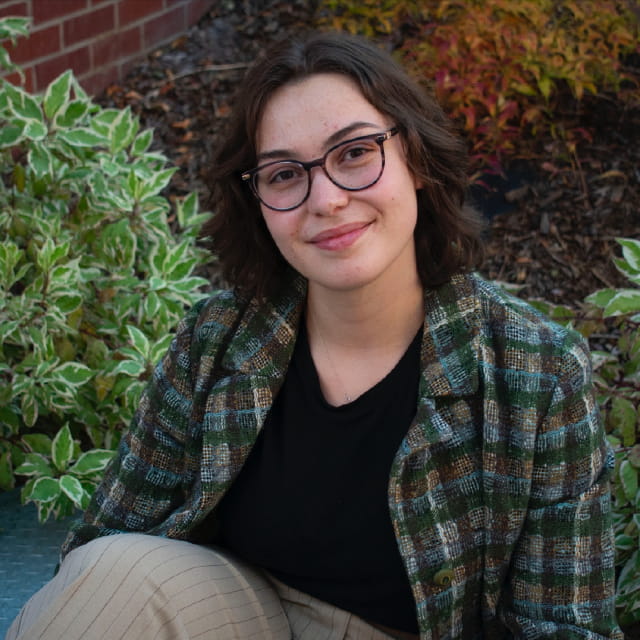 About Oihana Villanueva: Oihana Villanueva was born and raised in Reno, Nevada, as a member of the vibrant Basque-American community there. She received a Bachelor of Arts in Anthropology and Spanish from the University of Nevada, Reno, where she also minored in Basque Studies. She currently works as a library assistant in the Washoe County Library System and continues to be involved in the Reno Basque community, carrying on traditions of dance, language learning and cultural celebrations as a member of the Reno Zazpiak Bat Basque Club. She hopes to pursue graduate studies in sociocultural anthropology.
 About Debra Harry: Debra Harry, Ph.D., is Numu/Kooyooe Tukadu from Pyramid Lake, Nevada. Harry serves as an associate professor in Indigenous Studies for the Department of Gender, Race, and Identity at the University of Nevada, Reno. Debra Harry’s research analyzes the linkages between biotechnology, intellectual property and globalization in relation to Indigenous Peoples’ rights. Harry earned her Doctor of Philosophy in the Faculty of Education at the University of Auckland, under the supervision of renowned Māori scholar Linda Tuhiwai Smith, Ph.D.
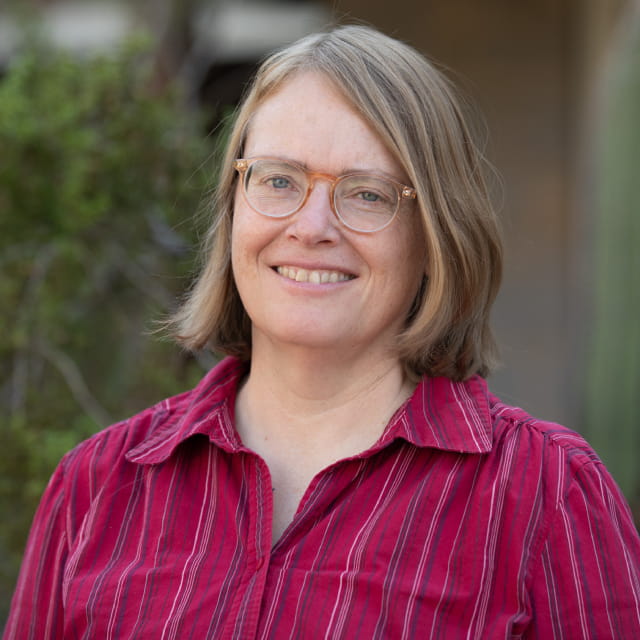 About Heidi Harley: Heidi Harley is Professor of Linguistics at the University of Arizona, where she has worked since 1999. She works with members of the Pascua Yaqui tribe of Arizona to document and understand their Hiaki language, focusing on word and sentence structure. She and Hiaki language teacher Maria Leyva have published several articles and books, ranging from technical investigations of aspects of Hiaki grammar to narrative accounts of important historical events in the history of the Hiaki people to teaching materials aimed at adult learners. She is also a theoretical linguist helping to develop models of syntax, morphology and lexical semantics. She was President of the Linguistic Society of America in 2025.