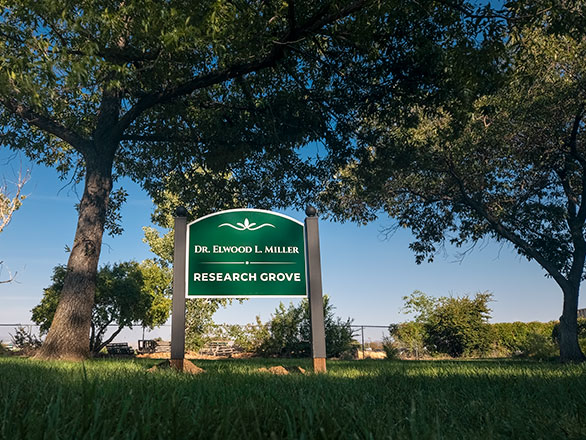
Dr. Elwood L. Miller Research Grove

Honoring the legacy of a pioneering forestry educator whose vision created a living outdoor classroom at the University of Nevada, Reno.

The Dr. Elwood L. Miller Research Grove at the University of Nevada, Reno's Valley Road Field Lab is more than a collection of trees—it's a living laboratory where students, researchers and visitors can explore forest ecology, tree diversity and sustainable natural resource management.

Established by Faculty Emeritus Dr. Elwood L. Miller, the grove represents decades of dedication to forestry education and hands-on learning. In 2026, the College of Agriculture, Biotechnology & Natural Resources formally named the grove in his honor, recognizing his lasting contributions to the university, its students and the forestry profession.
planting trees in the orchard

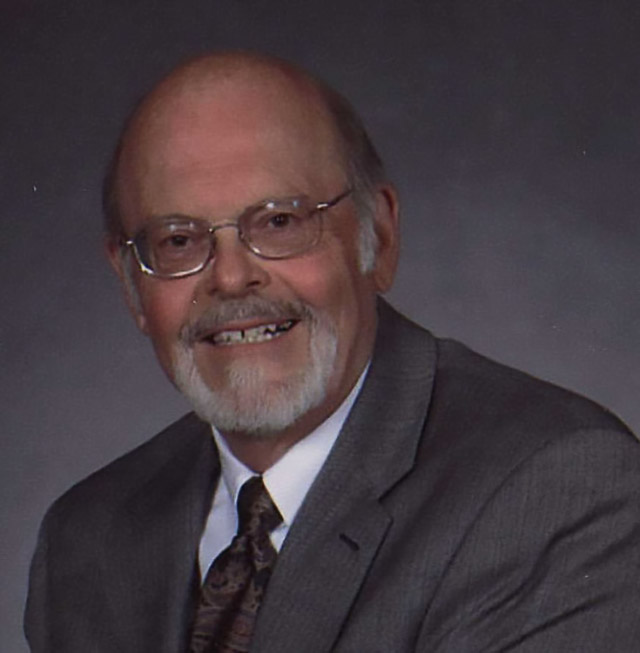
Who is Elwood L. Miller?

Elwood Miller

    • Early career
    • Forestry educator
    • Department leadership
    • Outstanding Teacher Award
    • Associate Dean
    • Licensed professional forester
    • Founder of the Research Grove
    • Faculty Emeritus
    • Distinguished Awardee

Why Is the Grove Named After Elwood L. Miller?

During his career, Dr. Miller believed students learned forestry best by observing living landscapes rather than simply reading textbooks. To make that vision possible, he established what became the Research Grove at the Valley Road Field Lab—a place where dozens of tree species could be studied side-by-side.

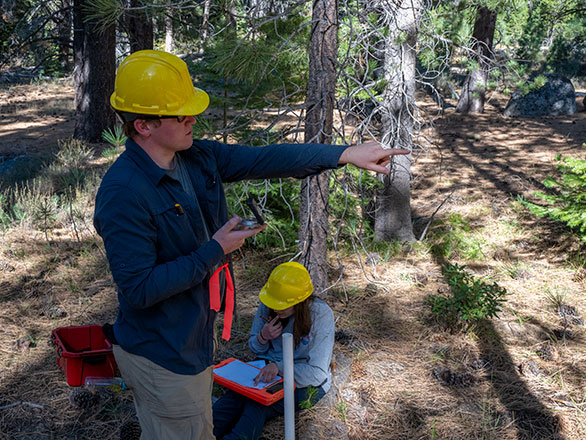
students surveying forest

Dr. Miller's Legacy

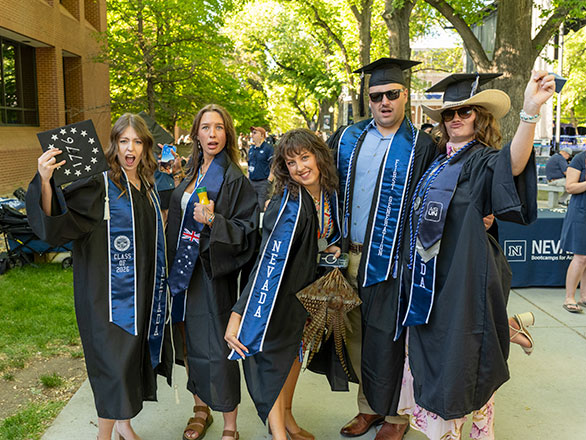
group of graduating student

As a college student, Dr. Miller nearly had to leave school because of financial hardship. Financial assistance allowed him to complete his education and pursue a distinguished career in forestry. That experience shaped his lifelong commitment to helping future students succeed.

If you would like to honor Dr. Miller's legacy, you are invited to support the Dr. Elwood L. Miller Forestry Scholarship Fund.

The scholarship supports junior- and senior-level students studying forest ecology and management within CABNR, helping prepare the next generation of forestry professionals. 

The scholarship reflects Dr. Miller's personal commitment to helping upper-division students complete their education. As a forestry student himself, he nearly had to leave school due to financial hardship before receiving assistance that allowed him to earn his degree. That experience inspired his desire to support students pursuing careers in forestry and natural resources.