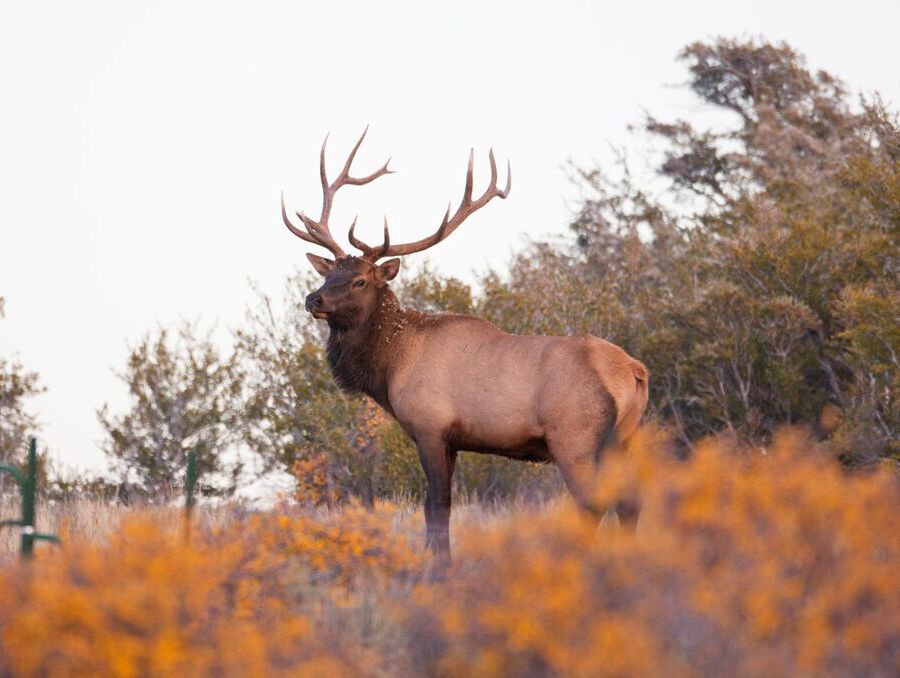
There’s a simple, unique, rustic beauty possessed by elk. But in some areas, Nevada’s treasured herds have been experiencing a higher rate of mortality in the spring for more than a decade, and there are no simple answers.
University of Nevada, Reno and Nevada Department of Wildlife researchers have teamed up to try to get to the bottom of the phenomenon, informally termed seasonal elk mortality syndrome.
“Nevada has some of the finest elk populations in the West,” said Brian Folt, a U.S. Geological Survey scientist who leads the project and also serves as a faculty member in the Department of Natural Resources & Environmental Science in the University’s College of Agriculture, Biotechnology & Natural Resources. “Usually in the spring, elk do quite well here and have extremely high survival. But when state biologists first noticed these springtime mortality events over 10 years ago, they put GPS collars on the elk to learn more about the issue. It’s been pretty consistent, with the impacted population losing 10% to 30% of collared females each spring.”
Folt says they suspect there is a similar mortality occurring among the males, but they are just tracking females to narrow the scope and keep the study manageable and the costs down.
The work is part of the Nevada Cooperative Fish and Wildlife Research Unit, of which Folt is the assistant unit leader, along with Unit Leader Jeff Falke. A second assistant unit leader position will be filled at a future date. The Unit is part of a nationwide cooperative program of the U.S. Geological Survey. The Nevada Unit was founded five years ago to promote applied fish and wildlife research and to train graduate students in the ecology and management of fish, wildlife and their habitats. Besides the U.S. Geological Survey, the University and the Nevada Department of Wildlife, the partnership also includes the Wildlife Management Institute and the U.S. Fish and Wildlife Service.
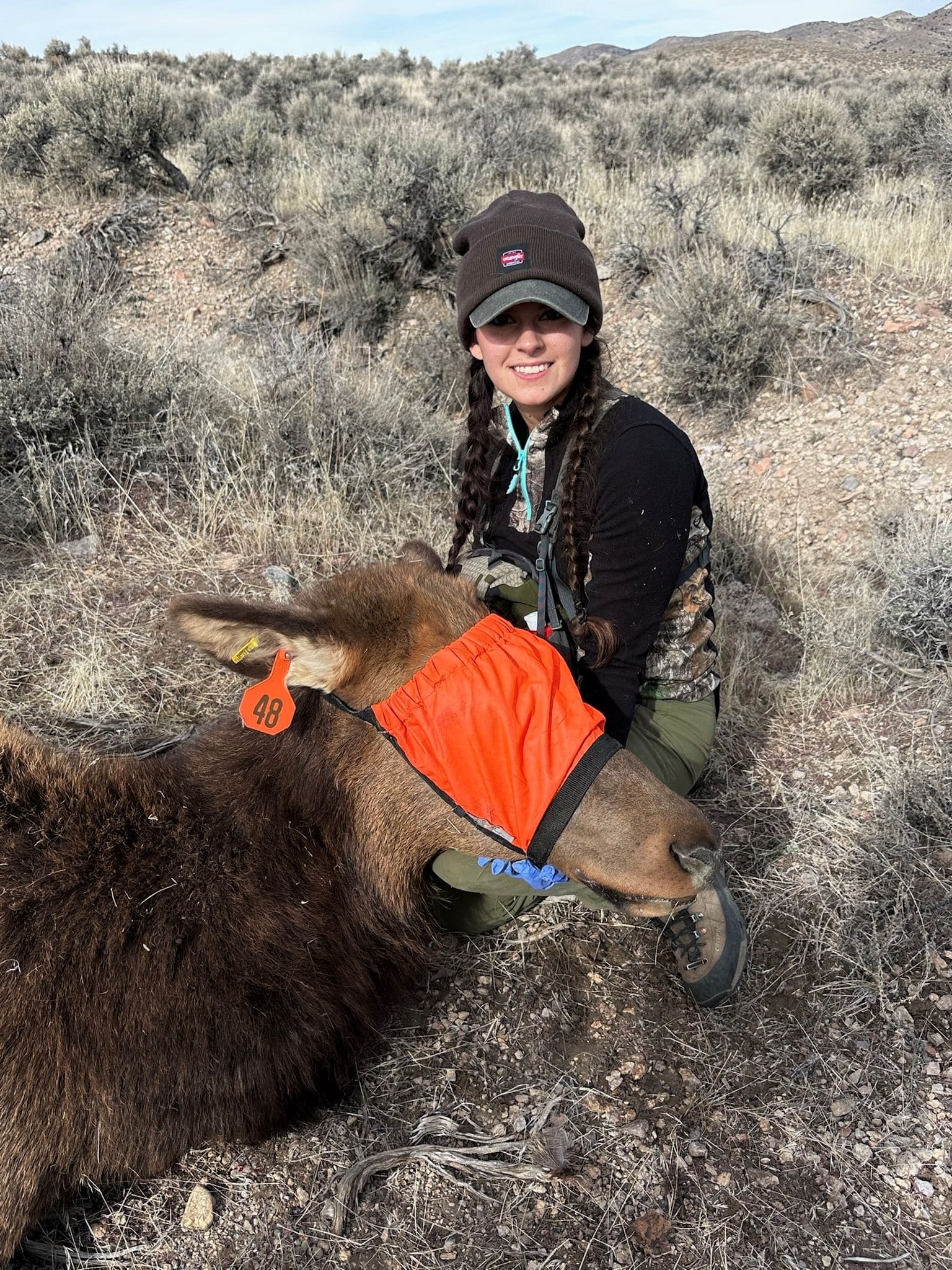
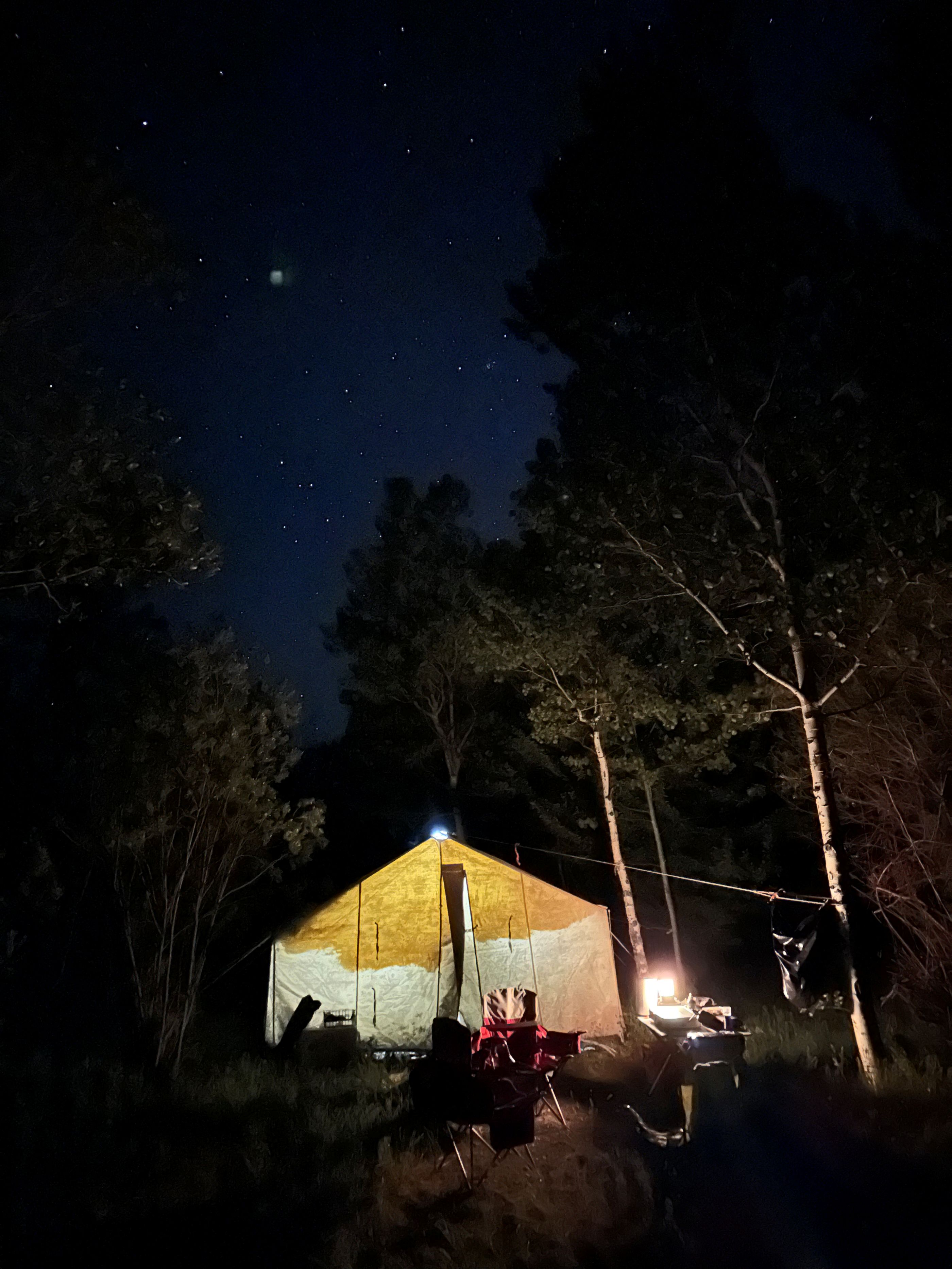
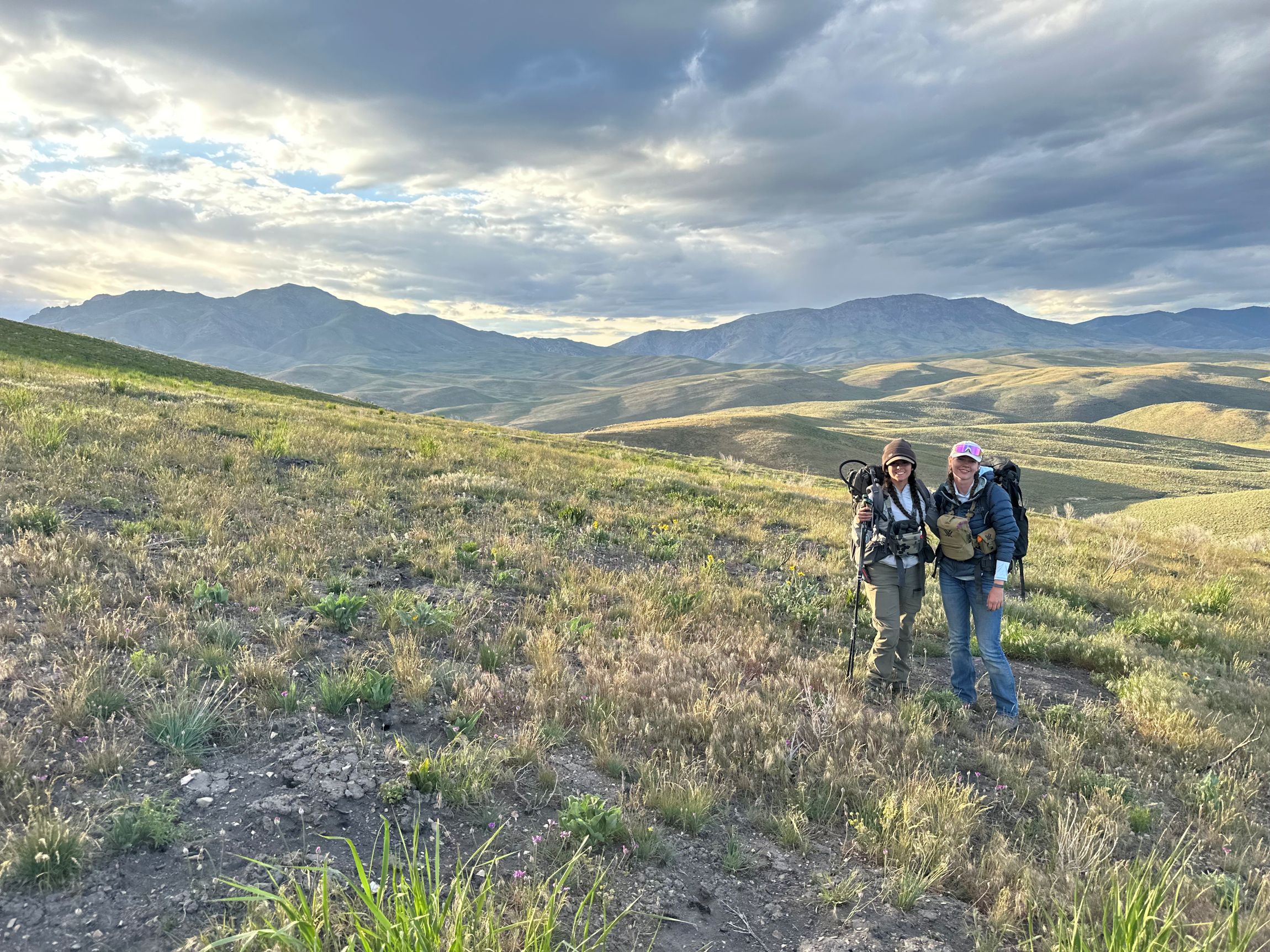
Graduate student Ava Window, who is pursuing her master’s in ecology, evolution and conservation biology, spent six weeks this May through early July north of Elko, within the Independence and Tuscarora Mountains, collecting fecal and plant samples, observing the elk – where they went, what they ate and where they drank. She also worked with the Nevada Department of Wildlife Veterinarian, Dr. Nate LaHue, who helped take liver biopsies on both healthy and impacted elk.
“It was very remote, but my technician Sophie and I really enjoyed the beautiful area and a lot of the work we did with the elk and conducting research,” she said. “But, we did have two elk die of the syndrome in the area while we were out there. Alerts went off from their collars that told us they weren’t moving, so we went in and found them.”
Window said that the impacted elk die quite suddenly, and it appears to be heart-related. They display excessive fluid in the sack surrounding the heart; it almost resembles a balloon. They also have necrosis (death of cells) and lesions in the heart, and fluid in the thoracic cavity. Their internal body temperature is also high right before they die. But, the elk appear very healthy, not in a weakened condition.
“Otherwise, they are in almost perfect condition, not emaciated or anything,” she said.
Is a deficiency of copper the culprit? If so, why?
Window is now spending much of her time analyzing the data from her field work, as well as the rest of the data collected over the past 10 years. She and the team, which also includes Nevada Department of Wildlife Staff Specialist Cody McKee, think the deaths may be related to a copper deficiency the elk are experiencing, although it is too soon to say for sure. McKee says that deficiency may be making it so things the elk typically tolerate are now killing them, such as something they are ingesting, a common illness, parasites or other conditions that would formerly not affect them or would only affect them mildly.
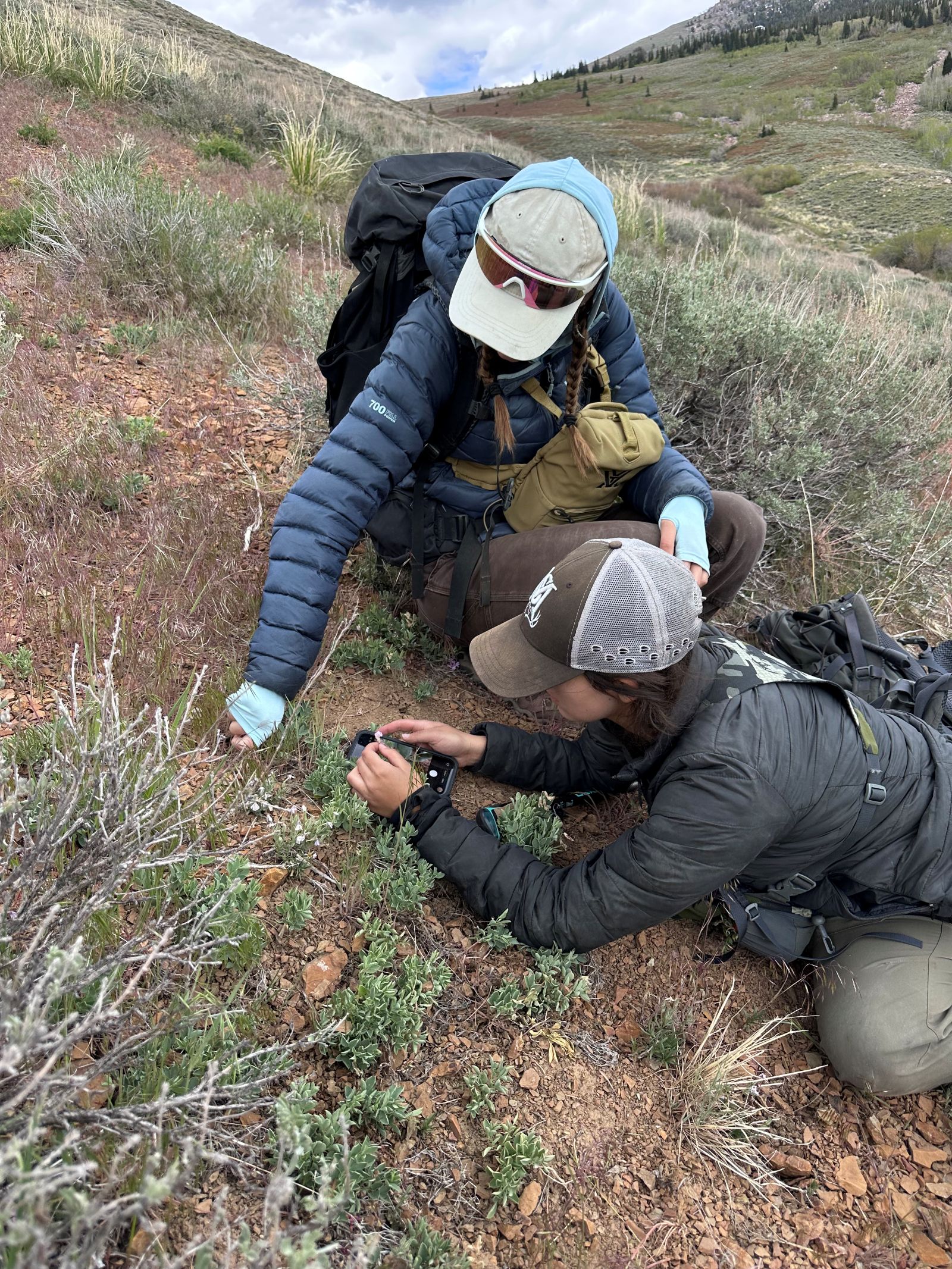
If a copper deficiency does end up being a key cause of the mortality syndrome, then what’s causing the copper deficiency? Do soils, plants or water in this area limit copper acquisition by elk? Have they changed their dietary choices, and if so, why?
McKee said there are still more questions than answers, but that he’s grateful for the partnership that will allow the work to continue. McKee is an alum of the University who earned his master’s in environmental sciences in 2012, when he studied mule deer ecology in the Mojave Desert with Professor Kelley Stewart and had the opportunity to start networking with the Nevada Department of Wildlife while working as a graduate student.
“Working at the University, we were a stone’s throw away from the Nevada Department of Wildlife, literally,” he said. “I was regularly interacting with the department’s staff. One thing I have learned about Nevada is how important it is to establish and cultivate partnerships and relationships. You can leverage your network to benefit wildlife conservation. I don’t think you get this same experience in other states, where these connections are so accessible and you can start building on the work that benefits Nevada’s wildlife.”
The Nevada Cooperative Fish and Wildlife Research Unit helps formalize and support such partnerships. The Unit is growing fast and currently has 11 scientists, post-docs, graduate students and technicians – all helping agencies with applied projects on fish and wildlife in Nevada.
Folt said the current portion of the elk project is scheduled to conclude in fall 2027 – although more study on the topic may continue, partly because the syndrome may be more widespread than they thought. Originally, they thought there were three adjacent areas where the mortality was occurring: the Bull Run, Independence and Tuscarora Mountains.
“We’re beginning to see that this problem may occur in other areas as well,” he said. “One reason why the Nevada Department of Wildlife wanted to do this study was to explore if this issue might be limiting elk populations in other areas of Nevada. We hope our results will directly inform wildlife management decisions and help protect Nevada’s elk.”
That’s why Todd Steury, chair of the University’s Department of Natural Resources & Environmental Science, is a champion of the Cooperative Research Units.
“These U.S. Geological Survey Cooperative Research Units and their relationships with the academic departments at universities have been in existence for almost a hundred years,” he said. “The partnerships grew out of the conservation crises of the 1930s, an era in which the Dust Bowl, widespread habitat degradation and declining wildlife populations demonstrated the need for science-based natural-resource management. Now, almost every land-grant institution has one, which is great. They are so important for wildlife research. We’re really grateful to be a part of it and celebrating our five-year anniversary this year.”


