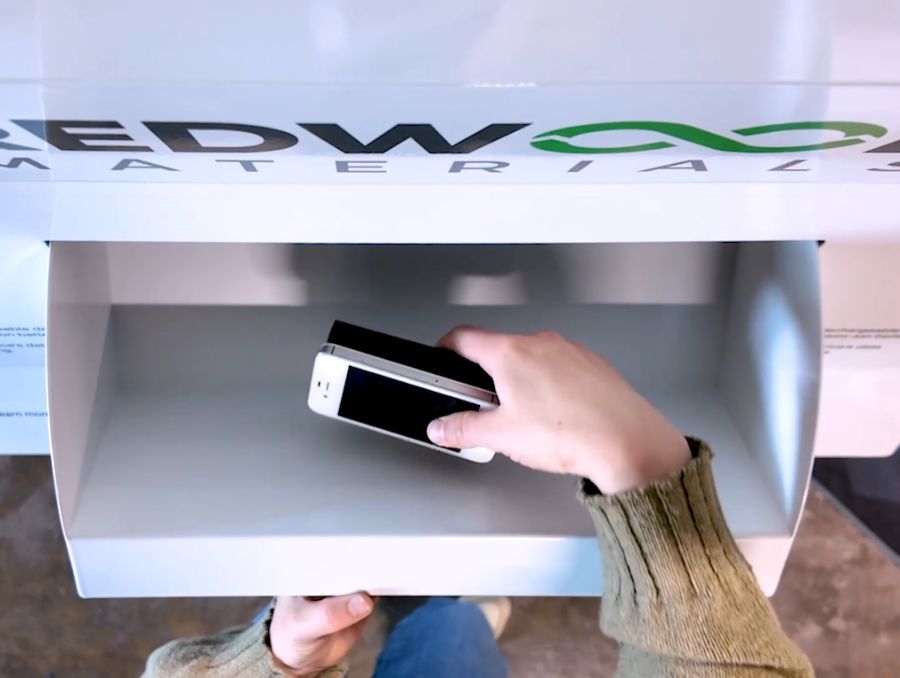
Cell phones, laptops, tablets, even gaming controllers and electric toothbrushes. What do they all have in common? Lithium-ion batteries. Our lives revolve around rechargeable devices, from transportation like EVs, e-bikes and scooters, to the daily technology we rely on at home and work. Eventually, phones get upgraded and toothbrushes stop working for good. Then what?
 Industry expert Tricia Dutcher, consumer and policy program manager at Redwood Materials, breaks down the basics of lithium-ion batteries and why recycling them matters.
What is a lithium-ion battery?
Lithium-ion batteries are the most common type of rechargeable battery for portable electronics, offering high energy density, long cycle life, and minimal maintenance. They’re commonly found in various rechargeable consumer electronic devices, such as smartphones, laptops, tablets, and power tools. They’re also at the heart of electric vehicles and many grid-scale energy storage applications.
What is one misconception you hear all the time about lithium batteries or recycling them?
“One of the most common misconceptions I hear is that lithium batteries are likely to spontaneously combust or explode,” Dutcher said. “In reality, recycling your batteries through a proper program actually lowers the risk of a fire incident.”
Lithium-ion batteries are generally stable when they’re intact and used as designed, with protective circuitry and internal separators that keep the energy safely contained. Problems arise when a battery is damaged, overheated, or improperly handled.
When batteries are brought to a designated recycling drop-off location, like the Redwood Materials Battery Bins that recently launched across Nevada, they are stored safely in layers of cushioning fire suppressant material which insulates any exposed terminals. This significantly reduces the chance of a short circuit or physical damage that could trigger an incident.
“The greater risk of combustion comes from tossing batteries in curbside trash, where they can be crushed or punctured during waste processing, putting truck drivers and waste management workers in our communities in danger,” Dutcher says.
What risks do lithium-ion batteries pose when they end up in the trash or regular recycling streams?
When a battery is crushed in a trash compactor, the pressure can crack the casing and damage the separator inside, allowing the positive and negative sides to touch and create a short circuit. That sudden surge of heat can trigger a chain reaction called thermal runaway, where the flammable electrolyte heats up and vents, sometimes igniting nearby trash and turning a single damaged battery into a fast-moving fire.
While lithium-ion batteries can cause fires if mishandled, the risk is often overstated. Like many materials in the waste stream, batteries can be well-managed with proper handling.
“These types of batteries are newer, so public awareness and infrastructure are still catching up,” Dutcher says. “By educating communities and building convenient recycling solutions, lithium-ion batteries can be managed safely.”
Beyond safety, what are the environmental and resource reasons to recycle?
Dutcher explains that consumer devices contribute to the world’s fastest growing waste stream. “Americans spend trillions of dollars on electronics and discard hundreds of millions of devices every year. Very few of these devices are recycled responsibly, so households who do recycle make a significant, positive impact.”
If properly recycled, old and broken devices can decrease global reliance on mining and lower the cost and environmental impact of products. In fact, according to Dutcher, 166 iPhones contain enough cobalt for an EV battery pack, but Americans today discard roughly 150 million phones each year.
“Consumer electronics are one of the largest untapped sources of critical materials, such as cobalt, nickel, lithium, and copper - yet today, only 16% of electronics are recycled in the U.S.,” Dutcher says.
Why is lithium-ion battery recycling such a critical issue at this moment in time?
“In this Age of Electrification, we’re continuing to electrify across cars, devices, and energy storage systems. This all requires batteries, which drives up demand for the metals inside them,” Dutcher explains.
Some forecasts suggest global demand could grow several-fold by 2030 as electric vehicles and energy storage scale, making the need for reliable recycling and recovery even more urgent. Recycling keeps critical minerals in circulation and helps build a secure, domestic battery supply chain, while keeping batteries out of the waste stream.
"Consumer electronics are one of the largest untapped sources of critical materials, such as cobalt, nickel, lithium, and copper - yet today, only 16% of electronics are recycled in the U.S." - Tricia Dutcher, Redwood Materials
 Where can people take batteries and devices to be properly recycled?
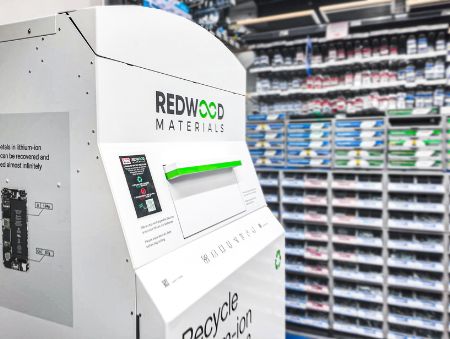
Redwood recently partnered with Nevada Tech Hub to deploy 20 smart recycling bins across Nevada. While the project is still rolling out, bins can be found throughout northern Nevada including at Ace Hardware in Reno’s Midtown (1215 South Virginia Street), the Washoe County Administration Building A lobby (1001 East 9th Street), and Fernley City Hall (595 Silver Lace Blvd.).
“In addition to the partnership with Nevada Tech Hub, Redwood hosts a nationwide network of more than 150 collection points providing consumers with free, accessible recycling options,” Dutcher says. “Our network of collection points is constantly growing and updated regularly.”
View the map of recycling locations and learn more about Redwood’s smart battery bins.
What kinds of items can be recycled?
The Battery Bin program accepts rechargeable batteries of all kinds, including those found in power tools, portable power banks, laptops, tablets, wireless earbuds and cell phones.
“If it has a rechargeable battery, it can go into the bin,” Dutcher says. “Redwood Materials accepts both loose batteries and the rechargeable devices they are found in, so you do not have to remove the batteries if it is difficult to do so.”
Learn more about Redwood Materials recycling program. Or read more about Nevada Tech Hub’s initiatives.


