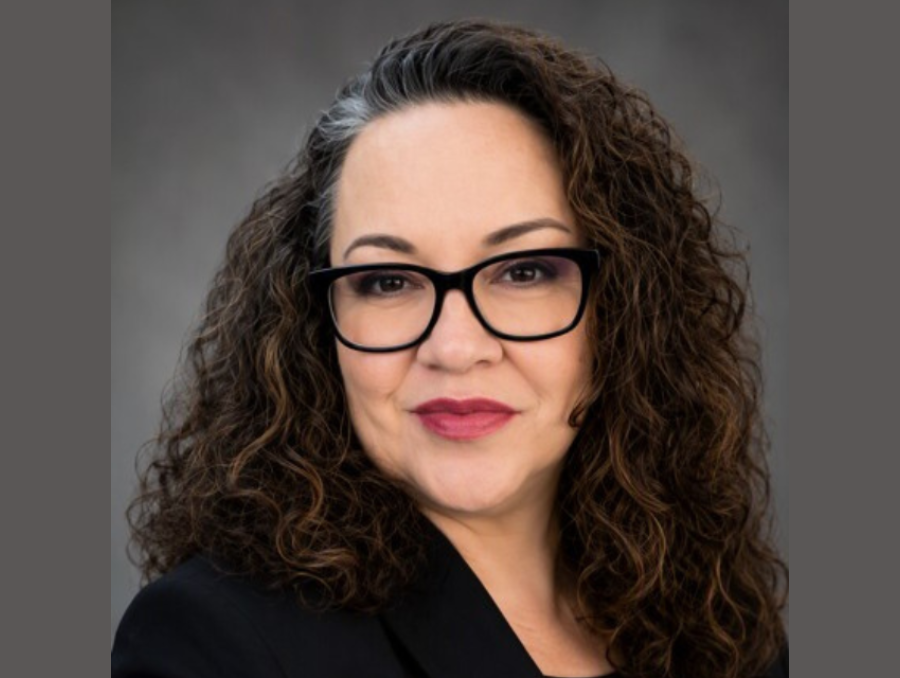
For Randi Arias-Fontenot, Ph.D., RN, nursing is about more than treating patients. It is about understanding the communities they come from, recognizing barriers to care and preparing the next generation of nurses to make a difference.
An assistant professor at the Orvis School of Nursing, Arias-Fontenot brings more than 30 years of experience in health education and over 14 years in nursing to her work. A descendant of Sandia Pueblo, she focuses on improving health outcomes for Native American, rural and underserved populations through research, clinical practice and nursing education.
Research focused on improving health outcomes
Arias-Fontenot's scholarship includes research on suicide prevention and the experiences of Native Americans following a nonfatal suicide event. Her work examines how individuals navigate health care during vulnerable times and underscores the importance of culturally responsive care and stronger support systems.
She has also contributed research on American Indian women's perceptions of perinatal cannabis use and health assessments among older American Indian adults. Her work has been published in peer-reviewed journals, including "The American Journal of Drug and Alcohol Abuse" and "Psychological Assessment."
Her perspective is informed by experience on both the clinical and policy sides of health care. Before joining the University, Arias-Fontenot served as a nurse consultant for the California Department of Health Care Services, providing policy leadership for Medicaid population health initiatives involving rural health programs, justice-involved populations and partnerships with Indian Health Services.
She also continues to practice as a home health and hospice nurse. That connection to direct patient care informs her teaching and gives future nurses a practical understanding of the challenges patients and families face beyond the hospital.
Preparing nurses for rural communities
Arias-Fontenot will bring that experience to the University of Nevada, Reno at Lake Tahoe this spring, where she will teach in the inaugural Bachelor of Science in Nursing (BSN) program.

(From left to right) Orvis School of Nursing professors Randi Arias-Fontenot, Carrie Breakell and Julie Sawyer, at the Lake Tahoe campus
The program is designed to prepare nurses to serve rural and mountain communities. As a South Lake Tahoe resident for more than two decades, Arias-Fontenot brings firsthand knowledge of the region and its health care needs to the classroom.
She will teach pathophysiology and pharmacology theory courses, helping students build the scientific foundation to understand disease processes and medications and apply that knowledge in clinical settings.
For Arias-Fontenot, preparing nurses for rural practice also means helping them understand the people, cultures and circumstances that shape health and access to care.
Native Nurse Scholars Pathway
Her commitment to Indigenous health also aligns with the Orvis School of Nursing's Native Nurse Scholars Pathway, which supports Native American students pursuing nursing education and encourages more nurses to serve Native American communities.
The pathway provides academic and personal support through tutoring and mentoring, advising, financial aid assistance, scholarships, help with Native American fee waiver applications and career services. It also emphasizes cultural humility throughout the nursing curriculum, with opportunities to participate in community health initiatives and outreach programs.
"As Native nurses, we carry the strength of our ancestors into every patient interaction."
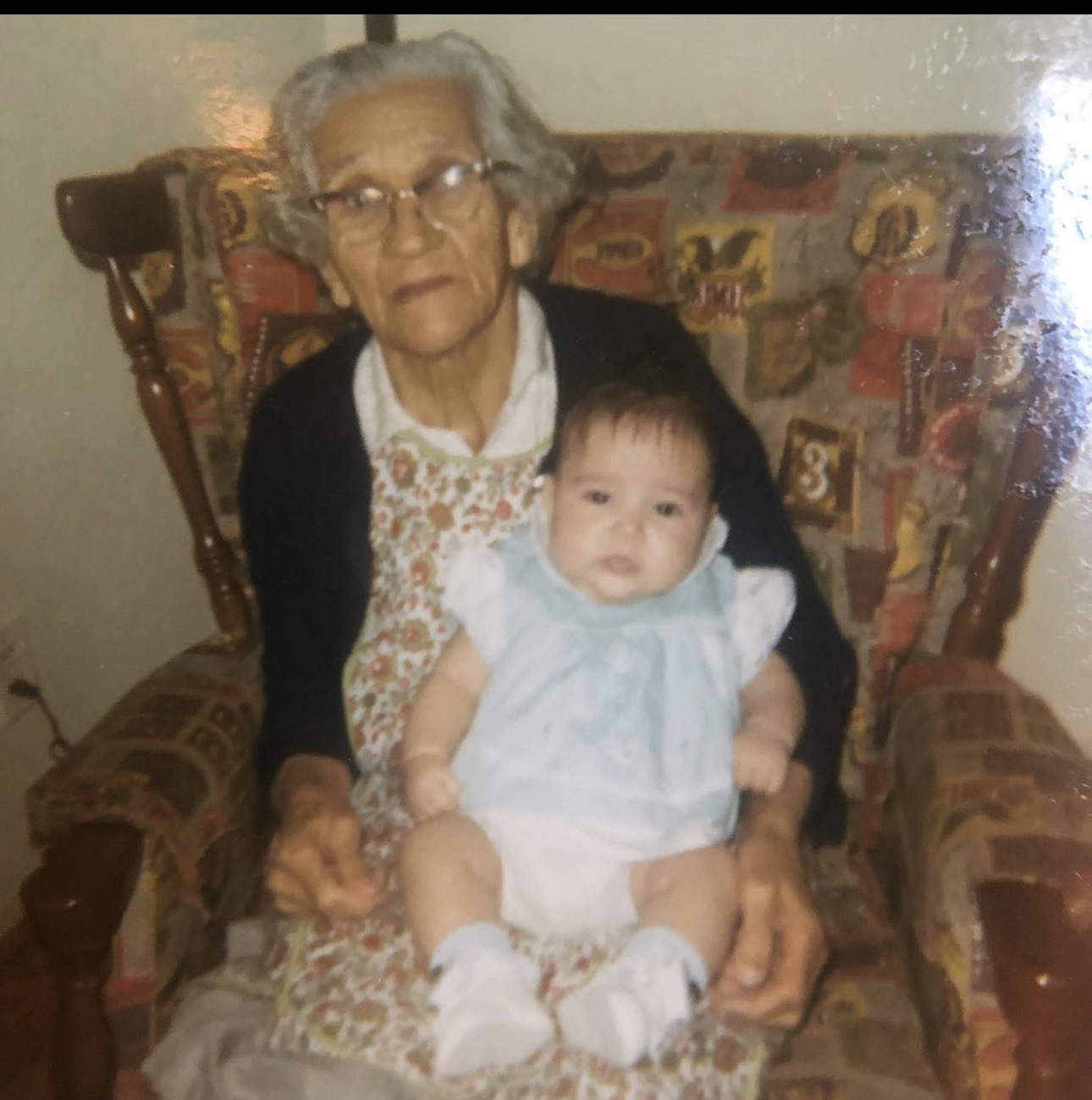 Randi Arias-Fontenot with her grandmother.
"Our presence in healthcare is more than representation," Arias-Fontenot remarked. "You cannot be what you cannot see. Every Native nurse becomes a reflection of possibility, resilience and hope for future generations. When culture, community and compassion are honored, healing is stronger. Culture is medicine"
Together, these resources create an inclusive learning environment that recognizes students' cultural heritage while preparing them to provide compassionate, culturally responsive care.
Making a difference beyond the classroom
As the University expands nursing education into rural and mountain communities, Arias-Fontenot brings a distinctive combination of research, teaching, policy and clinical experience to the effort. Her work also showcases the importance of representation in nursing and supporting more Native American students as they pursue careers in health care.
Arias-Fontenot is helping prepare nurses to look beyond the clinical setting and better understand the people they serve. It reflects The Wolf Pack Way: putting knowledge into action for the benefit of others and helping build healthier communities across Nevada.


