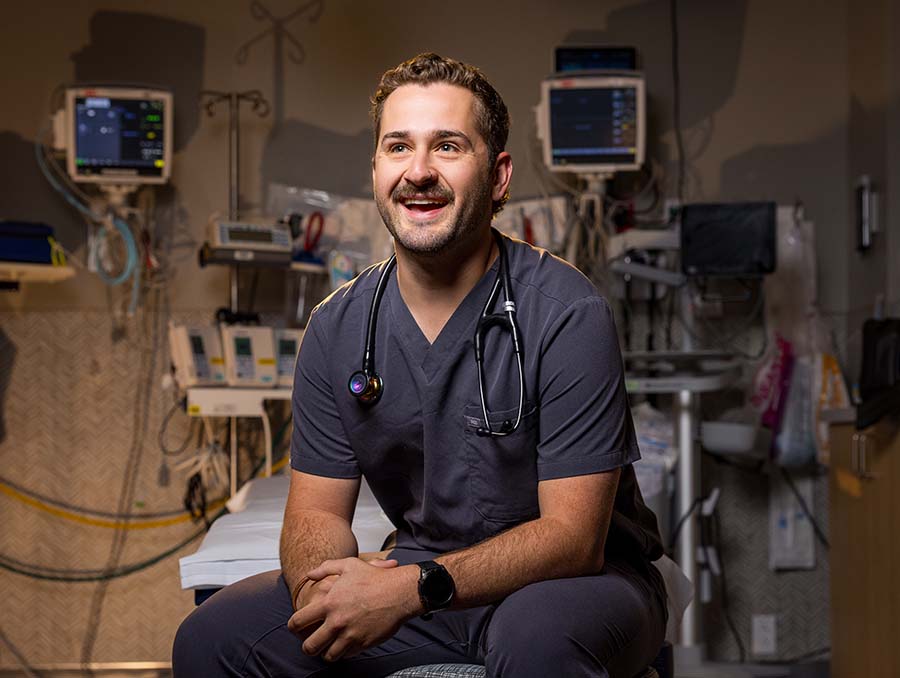
Drawn to both the human and high-pressure sides of medicine, Cameron Shonnard, a fourth-year medical student at the University of Nevada, Reno School of Medicine (UNR Med), found his calling in caring for patients during some of the most critical moments of their lives. Following in the footsteps of his uncle, cousin and father — all UNR Med alumni —Shonnard brings a strong interest in problem-solving and a natural ability to adapt in fast-paced environments. He saw medicine as the ideal space to combine those strengths ultimately leading him to pursue emergency medicine, where no two days are the same and teamwork is essential. Shonnard matched into emergency medicine at the University of New Mexico School of Medicine in Alburquerque, New Mexico – his top choice. Whether navigating complex cases or working in rural settings, his journey reflects a commitment to both clinical excellence and meaningful patient care.
Why did you become a physician?
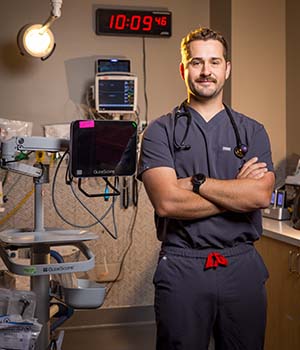
“I was drawn to medicine because I wanted to do something that allowed me to take care of people in their hardest times while also being in a fast paced, people focused environment. I like working with people, thinking through problems, and being in situations where you have to adapt and make decisions in real time. Medicine just felt like the best place to combine all of that while also being there for people during some of the most important moments of their lives.”
What drew you to your specialty in medicine?
“I am going into emergency medicine because I like a little bit of everything and I don’t want to do the same thing every day. I enjoy the variety, the acuity, and especially the team environment. It feels like everyone is working together toward the same goal, which makes the work way more enjoyable. I also really like taking care of undifferentiated patients and figuring things out as you go, almost like putting together a puzzle. It keeps things interesting and challenging in a good way.”
What is the biggest challenge you have faced in your medical education and how did you overcome it?
“One of the biggest challenges for me was building confidence in my clinical decision making. Early on I would second guess myself a lot and rely on others before fully trusting my own thinking. Over time I made a point to commit to a plan before presenting and then ask for feedback afterward. Just doing that consistently and reflecting on what went well and what didn’t help a lot, and I feel way more comfortable taking ownership of patient care now.”
Can you share a memorable experience during your medical training that has significantly impacted your journey as a future physician?
“My time working in rural emergency departments really stood out. You are working with smaller teams and fewer resources, which pushes you to think critically and be adaptable. It also gives you a better sense of how important access to care is in those communities. Those experiences made a big impact on me and are a big reason why I am interested in working in similar settings moving forward.”
How did your family's background in healthcare prepare you for medical school and now with residency?
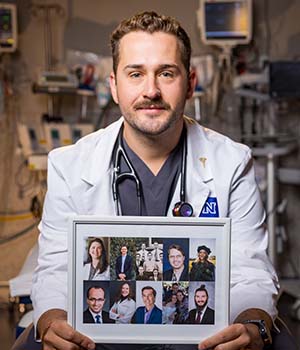
“Growing up in a family shaped by health care gave me early exposure to both the privilege and responsibility of caring for others. Medicine was part of daily life, from dinner table conversations about patient care and difficult decisions to seeing X- rays and surgical images on the home computer while my father prepared for cases. Those experiences primed me early to be comfortable around medical thinking and curious about clinical reasoning. My father, an orthopedic surgeon, modeled discipline, accountability, and thoughtful decision making under pressure, while my mother emphasized academic rigor and personal responsibility. Together, those influences helped prepare me for medical school by giving me both a realistic understanding of the demands of medicine and a strong foundation in resilience and work ethic. As I move into residency, those same lessons continue to shape how I think about teamwork, responsibility, lifelong learning, and the kind of physician I hope to become.”
What advice do you have for future students interested in becoming a doctor?
“Take time to actually enjoy the process. It is hard and there are definitely moments where it feels overwhelming or stressful, but you do get through it. It goes by faster than you think and looking back you realize how many good moments were mixed in with the tough ones. Try not to get too caught up in doing everything perfectly or comparing yourself to others. Spend time with your friends, find things outside of medicine that you enjoy, and let yourself appreciate where you are. You will end up wishing you slowed down and took more of its in.”


