Many people want to make their homes and property more capable of surviving a wildfire, but the task can seem daunting. When a community or neighborhood comes together to tackle it, it not only becomes less daunting, it also becomes more successful. Resources – grants, templates for creating an action plan, experts ready to consult – are available. The University of Nevada, Reno is hosting the Fire Adapted Nevada Summit on campus Feb. 23-24 to bring together resources and experts to help Nevadans wanting to make their communities more prepared.
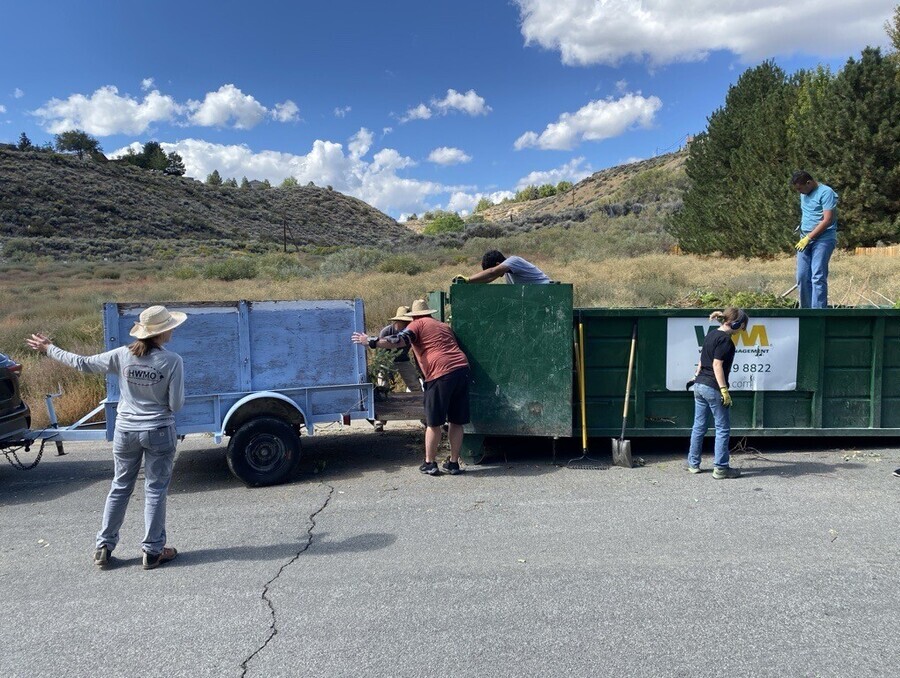
“We’re really excited about the program this year, because a lot of the focus is on some grassroots efforts and pilot programs sharing their stories on what they’ve done and their successes,” said Megan Kay, director of the University’s Living With Fire Program, one of the partners putting on the Summit. “Our collaborative Fire Adapted Nevada team has been able to provide guidance and support, but it’s really neighbors who have taken advantage of that and run with it who have made a real difference in their communities.”
Kay says Fire Adapted Nevada is a multiagency partnership aimed at supporting communities wanting to become more “fire adapted,” better equipped to survive wildfires. The Living With Fire Program, a program of the University’s Extension unit, is a partner, along with land management agencies, fire departments, nonprofit organizations and private entities. The Summit will have a number of activities to help attendees get started with their neighbors. Information will be provided on grants and resources, insurance, and developing and implementing actionable plans.
Panels, presentations and workshops will focus on collaboration and creating an ongoing culture that prioritizes fire adaptiveness. The event will also help participants to connect with each other and engage with fire agencies. Attendance is free and includes breakfast both days and lunch on the first day, as well as materials.
Some grassroots efforts will be shared from neighbors in Silver Knolls, Eureka and Galena Forest. In addition, representatives from some communities who received National Fire Protection Association grants will talk about lessons they have learned and some of their on-the-ground successes. These include Mogul and Evans Creek Estates in Reno, and Alpine View Estates in Carson City. Washoe County Emergency Management and Humboldt County Emergency Management will present information on their Defensible Space Pilot Projects. The Tahoe Fund will take a detailed look at a community-scale wildfire mitigation pilot conducted in Incline Village, including funding models, partnerships, and implementation lessons. The Washoe Tribe will also discuss some successful interagency efforts.
The keynote presenter kicking off the Summit is Catrin Edgeley, a natural resource sociologist researching how human communities interact with wildfire risk and impacts. Her presentation will explore how community identity, values and social norms influence wildfire preparedness, moving beyond tasks and checklists toward lasting culture change. Michele Steinberg, wildfire division director at the National Fire Protection Association, will share remarks in the morning on the second day.
Online preregistration for the Summit is required and is now open. It will be held in the University’s Joe Crowley Student Union, Room 419, and free parking will be available on the top two levels of the University’s West Stadium Parking Complex to those who register online beforehand. Participants will receive further details after they register. Those living more than 50 miles from campus who want to apply for a travel stipend should email Living With Fire. Persons in need of special accommodations or assistance should email Paul Lessick, civil rights and compliance coordinator, or call him at 702-257-5577 at least 10 days prior to the Summit with their needs or for more information.
The Summit is made possible with funding from the Bureau of Land Management – Nevada, with additional support from the Nevada Division of Forestry, U.S. Forest Service and University of Nevada, Reno Extension. Extension is a unit of the University’s College of Agriculture, Biotechnology & Natural Resources. Additional sponsors include DJ&A and Fire Aside.


