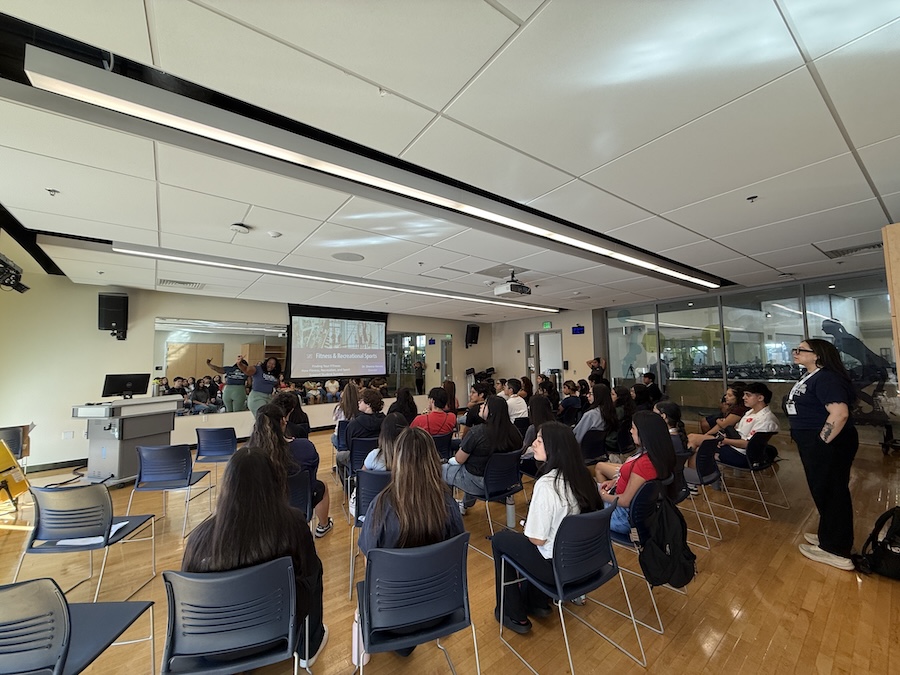
In this first-person narrative, Sheena Harvey, Ph.D., director of the Fitness & Recreational Sports department and adjunct professor of ETS 307 -Topics in Race and Racism – Race, Sports and Culture and EL 756 – Diversity in Higher Education, discusses her recent experience of hosting students during the CBESS program at the E.L. Wiegand Fitness Center.
The E. L. Wiegand Fitness Center matters at the University of Nevada, Reno. It matters for our current students, and it matters for students who are still imagining themselves on a college campus. Institutions of higher education invest tremendous effort into helping students succeed academically, but success is about much more than earning a degree. It is also about finding a sense of belonging, building meaningful relationships, and discovering the people and places that make a campus feel like home.
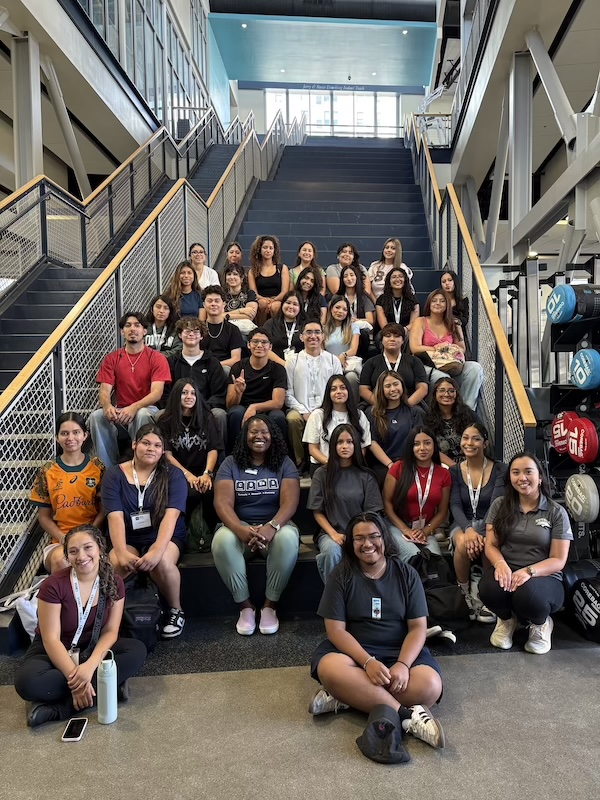
Recently, the Fitness & Recreational Sports (FRS) Department had the privilege of welcoming the incredible students and leaders of the Community of Bilingual English Spanish Speakers (CBESS) summer program. Supported through the University of Nevada, Reno School of Medicine, the Latino Research Center, the National Institutes of Health, and the Raggio Center for Advancement in (STEM)2, CBESS prepares bilingual students for future careers in STEM and healthcare. Throughout the week, I had the opportunity to join students for breakfast in our campus dining commons and later welcome them, along with their mentors and program staff, to the E. L. Wiegand Fitness Center for a conversation about higher education, health, well-being, and the important role recreation can play in student success.
As someone who has spent more than two decades working in collegiate recreation, I firmly believe that fitness, recreation and sport participation are not simply extracurricular activities – they are educational experiences. Fitness, recreation and sport spaces foster leadership, confidence, resilience, stress management and lifelong healthy habits. Just as importantly, they create opportunities for students to meet peers, build relationships and develop a sense of community beyond the classroom.
That message is reinforced by some of my earlier research that examined the experiences of first-generation Black and Latina college women participating in campus fitness. Their stories demonstrated that, while many students from historically underrepresented backgrounds can encounter barriers to belonging during their transition to college, recreation spaces also have the potential to become powerful "counter-spaces" where students develop confidence, connect with peers and mentors, and build the social capital that supports persistence and success.
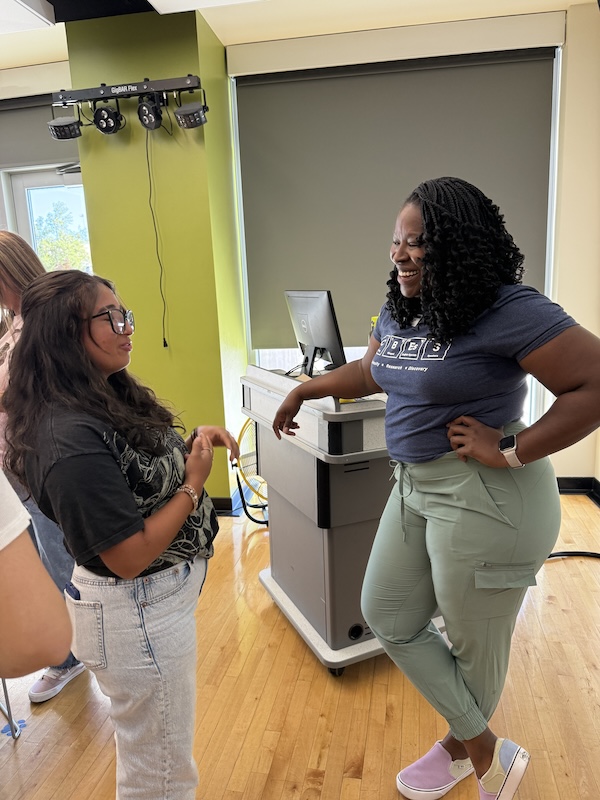
Although my research focused on specific student populations, the broader lesson applies to many students entering higher education, particularly those who may be the first in their families to attend college, some come from underrepresented communities, and others simply wonder whether they will find their place on campus. Belonging rarely happens by accident. It grows through shared experiences, supportive relationships, and welcoming environments where students feel seen, valued and encouraged to participate.
For prospective students, that is why visiting spaces like the campus fitness center matters. Whether joining an intramural team, attending a group fitness class, taking a for-credit physical activity class, or simply studying between classes in a welcoming environment, recreation offers countless opportunities to connect with others who share similar interests. These everyday interactions often become the foundation of friendships, mentoring relationships, leadership experiences, and lasting memories that extend far beyond graduation.
I appreciated the opportunity to share both my educational journey and the research that continues to shape my work as an educator and administrator. More importantly, I hoped the CBESS students left knowing that they already belong in higher education. Universities need their perspectives, talents and aspirations. The transition to college can feel intimidating, but students should know that success is not only built in classrooms, but it is also cultivated in the communities they choose to join.
Spending time with these talented scholars left me energized and optimistic about the future. I look forward to the day many of them return to campus as University of Nevada, Reno students, already knowing that places like the E. L. Wiegand Fitness Center are here to support not only their physical well-being, but also their connection, confidence, and sense of belonging from their very first day.


