 Find more answers here!
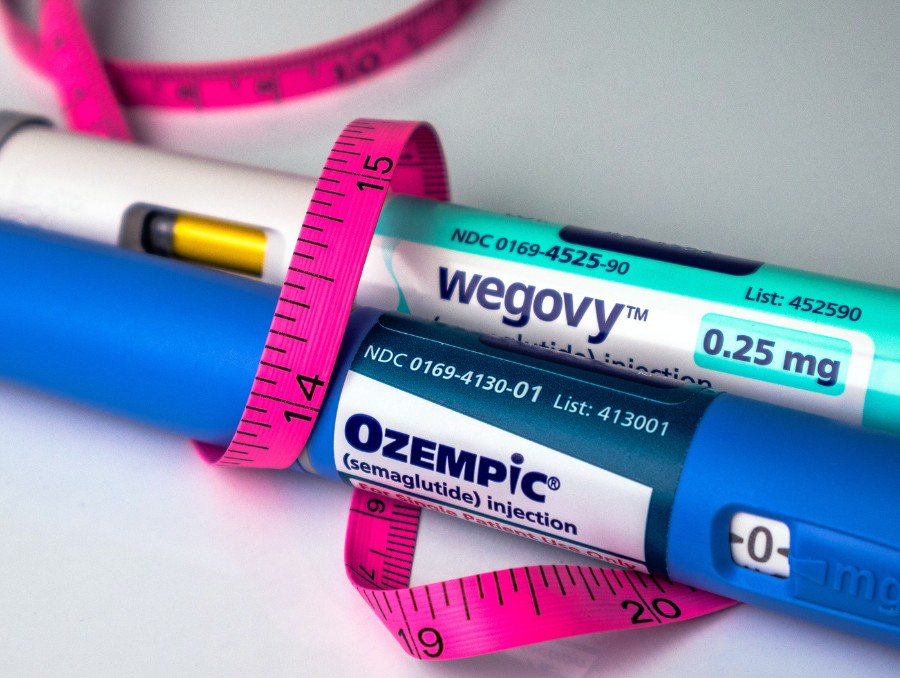
GLP‑1 medications have quickly become one of the most talked‑about developments in modern medicine. Originally designed to help people manage type 2 diabetes, these medications, such as semaglutide (Ozempic/Wegovy) and tirzepatide (Mounjaro/Zepbound), are now widely recognized for their role in supporting significant weight loss and improving metabolic health. Their rapid rise has sparked curiosity, confusion and debate across clinical, academic and public spheres.
What is GLP-1?
GLP‑1 (glucagon‑like peptide‑1) is a naturally occurring hormone that helps regulate appetite, digestion and blood sugar. GLP‑1 medications act like this hormone, slowing stomach emptying, reducing food cravings and food noise and enhancing insulin release after meals. For individuals with diabetes, these effects can improve glycemic control and reduce cardiovascular risk. For others, the medications can support meaningful weight reduction, often 10 to 20 percent of total body weight in clinical trials.
Why are they popular?
Their popularity, however, extends beyond clinical outcomes. Social media visibility, celebrity endorsements and shifting cultural conversations about weight and health have propelled GLP‑1 medications into the spotlight. As interest grows, so do questions about safety, access and long‑term use.
What are their limitations?
While GLP‑1 drugs offer substantial benefits, they are not without limitations. Common side effects include nausea, vomiting and constipation, particularly during dose escalation. Cost remains a major barrier, with monthly prices often exceeding $1,000 without insurance coverage. And because the medications work by altering appetite signals, discontinuation frequently leads to weight regain, which highlights the importance of long‑term planning and supportive lifestyle changes.
Should I take a GLP-1?
According to the American Diabetes Association (2024), Nevada faces rising rates of diabetes and obesity, and many students, faculty and community members are navigating conversations about metabolic health, stigma and equitable access to care. GLP‑1 medications sit at the intersection of science, public health and lived experience, an area where university expertise can help clarify misconceptions and promote informed decision‑making.
Ultimately, GLP‑1s are powerful tools, not quick fixes. When used thoughtfully and under medical guidance, they can help individuals improve health, reduce chronic disease risk and enhance quality of life. Their growing presence in healthcare invites ongoing dialogue about how best to support long‑term wellness in our communities.
About the professor
Jasen R. Brooks, MSN, RN, CNL, is a clinician and academic developer specializing in wound care, pathophysiology, pharmacology, trauma‑informed pedagogy and street healthcare. He is a lecturer at the Orvis School of Nursing, where his work focuses on equity‑centered education and community health innovation. He is also working toward a doctorate degree from the Orvis School of Nursing.
Reference: American Diabetes Association (2024). The burden of diabetes in Nevada.


