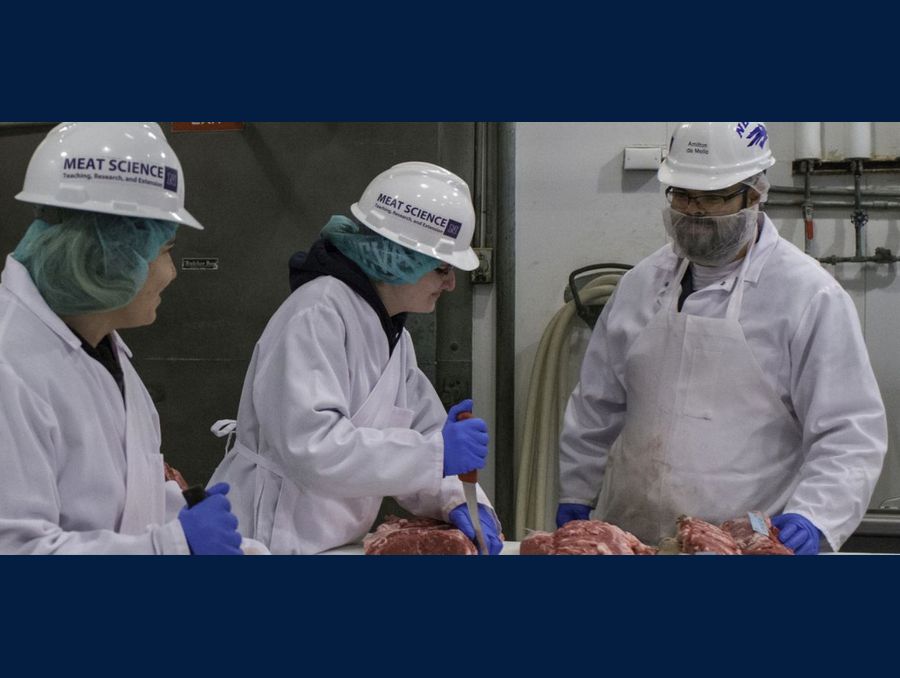
Cattle and calves are Nevada’s leading agricultural product, with about 450,000 head of cattle housed on Nevada ranches. Yet, Nevada students wanting to obtain a bachelor’s degree in animal science have had to leave the state to get the degree. That just changed.
The University of Nevada, Reno is now offering a Bachelor of Science in Animal Science, and the degree covers a lot more than the name may imply.
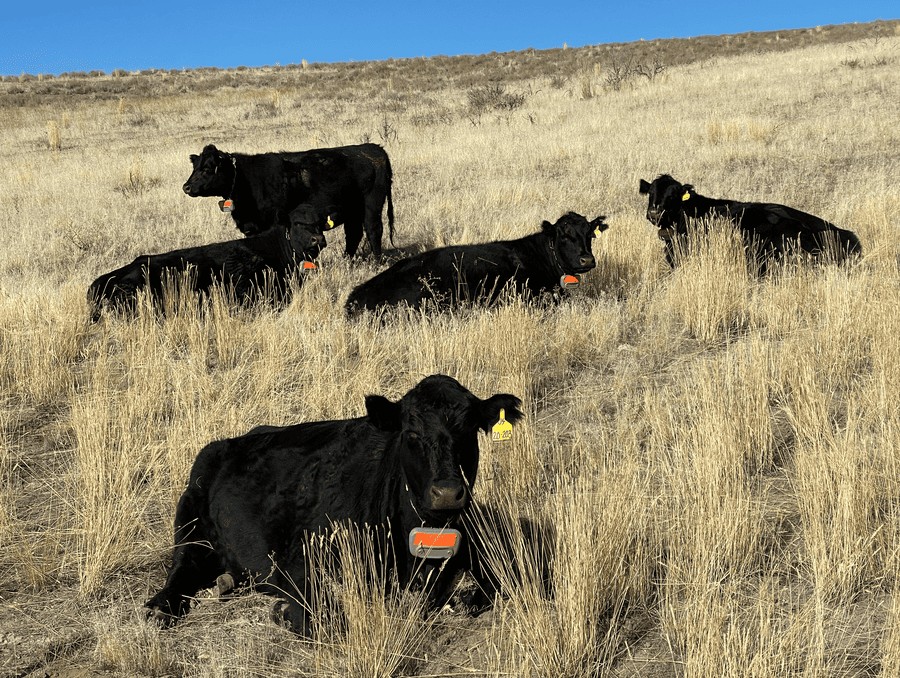
“We have the expertise to offer a top-notch program that addresses today’s livestock and meat production challenges,” said Dr. Amilton de Mello, associate professor in the University’s College of Agriculture, Biotechnology & Natural Resources, who is heading up the new degree program and is a Doctor of Veterinary Medicine. “The basics will all be covered – breeding, genetics, physiology, nutrition, animal health and welfare, and meat production. But, we need professionals who can work on systems that are associated with sustainability and animal production. They need to help figure out and put into practice: How can we produce more meat, and more nutritious products, with less? How can we affect the ecosystem less? Our program will offer the research opportunities and classroom experiences to students so that they graduate ready to help answer those questions and put them into practice.”
A degree in demand that opens many doors, led by a national figure in the industry
According to Dr. Mike Teglas, who is also a Doctor of Veterinary Medicine and chair of the College’s Agriculture, Veterinary & Rangeland Sciences Department that will house the program, the degree will prepare students with the knowledge and applied skills needed to successfully compete for careers not only in ranching and animal agriculture, but also careers in veterinary medicine, biotechnology and related industries.
“This program prepares students to step confidently into careers that support animal well-being, food production and the future of the animal-related industries,” Teglas said. “Our research shows a demand for this degree here in Nevada and in neighboring states. We can meet that demand and provide students with a top-quality program where they’ll receive one-on-one mentoring and have many opportunities for hands-on experiences.”
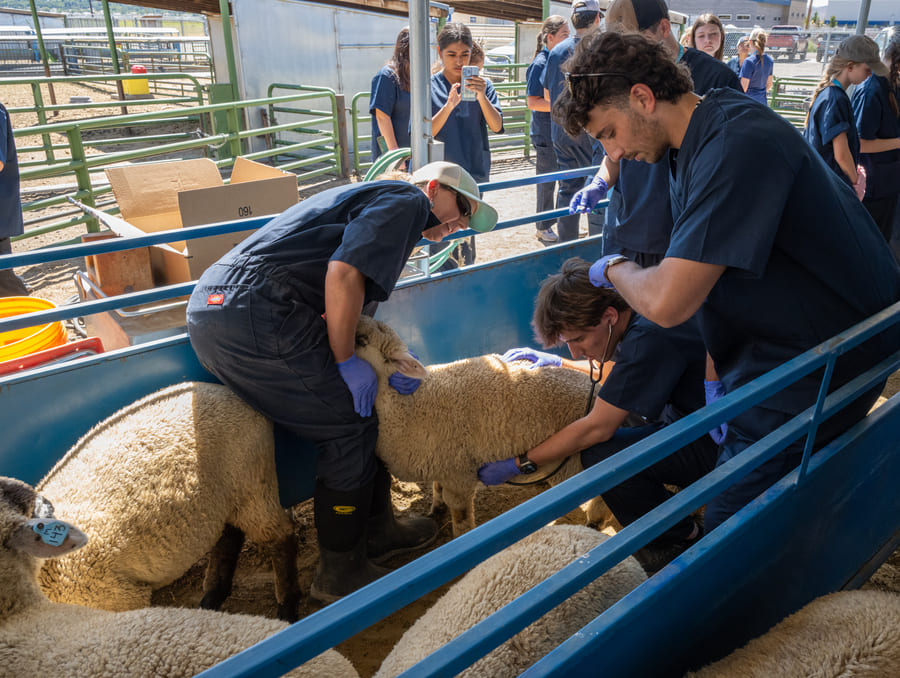
Teglas says that de Mello has really been the driving force behind putting the program together and is “the perfect person” to lead the program. De Mello has published more than 35 research articles, served on a USDA meat and poultry inspection committee and on the Nevada Food Safety Task Force, and been honored for his achievements by the American Meat Science Association.
“Amilton’s expertise and passion for animal science is hard to beat,” Teglas said. “He works with other researchers internationally and is always thinking outside of the box. His research lab addresses important ‘farm to table’ stages, including animal nutrition, animal handling, harvest, fabrication and processing.”
Teglas says that for the past several years, the University has been offering classes and a “specialization” in animal science, but for a dedicated bachelor’s degree in animal science, students have had to look out of state, such as to California, Oregon or Utah. De Mello says he has heard this firsthand.
“As a professor constantly out working with rural communities and producers, I’ve travelled across the state. When I talked to local ranchers and people in the industry, they’ve asked if we have a bachelor’s program,” he said. “They’ve been sending our kids out of state. They had no other choice.”
The University’s broader investment in the program and industry, and emerging technologies
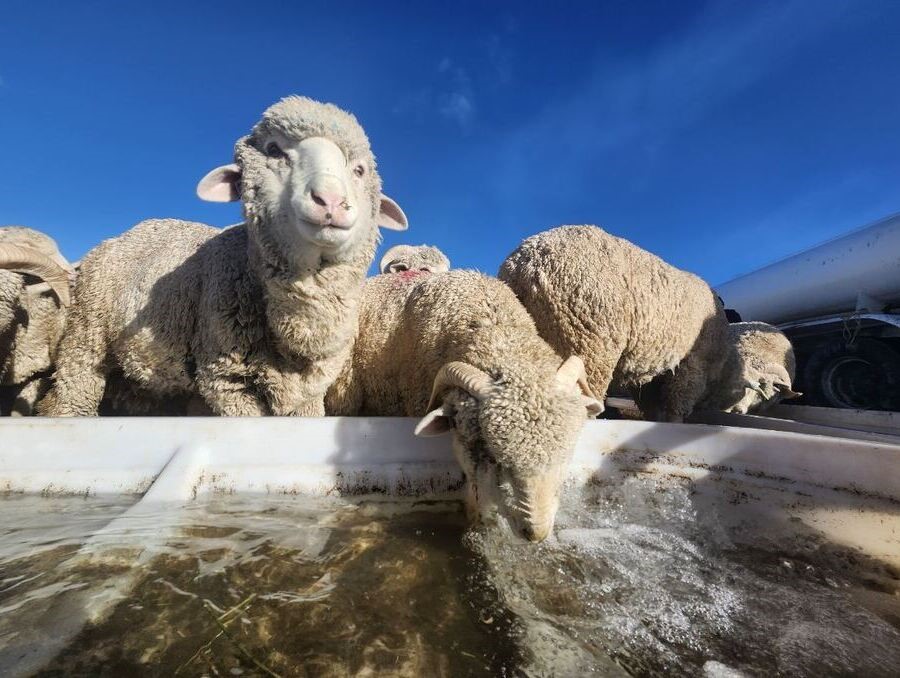
De Mello is exuberant to see that changing with the new degree offering and counters the idea that ranching may be coming an “obsolete” field, pointing to the technology the University is using to address today’s challenges – drone mapping of rangelands, virtual fencing for guiding livestock grazing, even AI-enabled robots that recognize individual sheep and help track their health conditions. He says the University is investing in facilities and technology to push animal science and the meat industry forward in the state, including the new Main Station Farm Science Center, part of the College’s Experiment Station, for which de Mello and other faculty in the College conduct research.
The facility opened last fall and was designed to foster discovery, innovation and hands-on learning for students while supporting Nevada’s agricultural and meat industries. It features a modern smart classroom equipped with integrated presentation technology, as well as the Wet Lab, which offers a specialized environment for animal science education, including a camera-equipped necropsy (animal autopsy) table, rail systems for safe specimen handling, coolers and freezers, and a load bay for efficient transport. The facility also features a conference room, kitchen and outdoor patio for meetings and demonstrations.
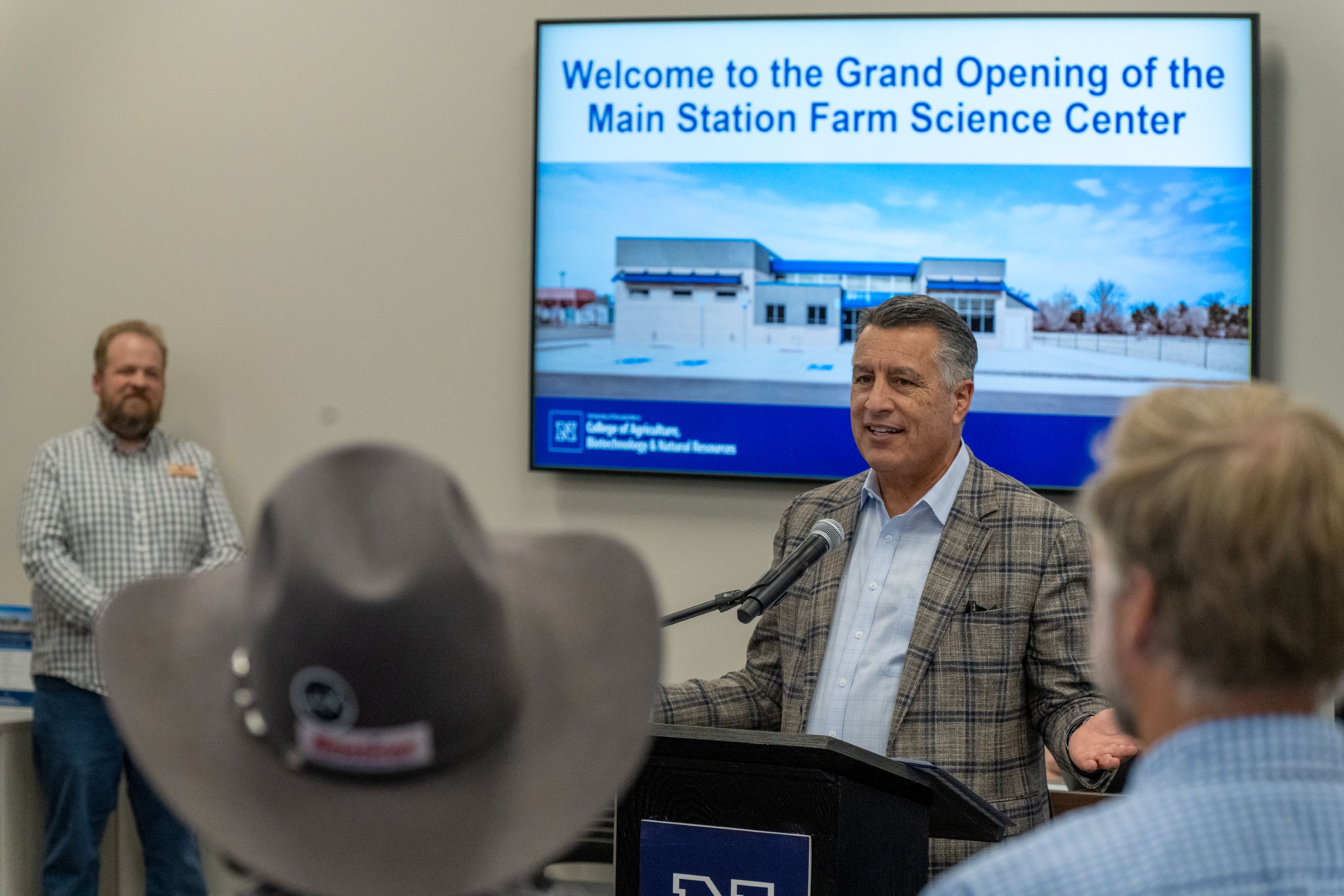
The College is also investing in a new feed lot at the Main Station facility, something that de Mello says the state is lacking overall.
“We have the ranges for raising and feeding our cattle and calves, but we don’t have many feedlots, which is where, much of the time, producers send cattle to ‘finish’ them for a short time just before harvesting them,” he said. “We don’t have many harvesting facilities either. So, we end up sending so many of our animals out of state for finishing and harvesting. We want to see if we can keep more of that here in our state, and in our state’s economy.”
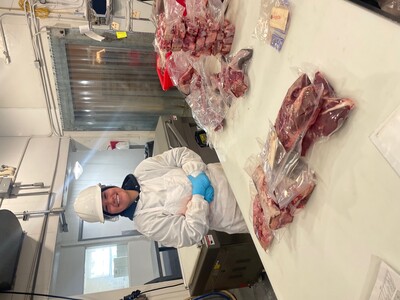
At the University’s Main Station Field Lab, where the new Farm Science Center is, Wolf Pack Meats harvests, processes and produces fresh meat from livestock, including cattle raised by the University as part of its educational programs and for production. The facility provides students with the chance to not only see the commercial process in action, but also to receive hands-on training and experience with a real commercial business in a critical industry. Wolf Pack Meats also serves local producers as one of the only facilities in northern Nevada doing harvesting and processing services. The University also has a mobile harvesting unit for training purposes and for serving producers in the state.
Elsewhere, the College is working with 4-H youth, through its Extension unit’s 4-H Youth Development Program, providing them with basic knowledge of raising and caring for animals, as well as harvesting. The College also runs a cooperative program with Western Nevada College, where high school students can take classes related to the meat industry and earn college credit. The new degree program is also set up to easily allow students in Truckee Meadows Community College’s Associate of Science Agricultural Science Program to transfer into the University’s bachelor’s program. De Mello says that all these elements are coming together to establish an environment where students enrolling in the new Bachelor of Science in Animal Science Program can learn and become leaders in an industry the state needs to grow.
“In this state, we produce only about 8% of the meat that we eat, and 40-50% comes from the Midwest,” he said. “We have the ability to foster the industry by making these kinds of investments, working hand-in-hand with those in the industry and our state’s economic development leaders, and most of all, by conducting research and readying our next generation of ranchers and animal producers.”
For more information, visit the program's website, or email de Mello or call him at 775-784-6648.


