Critical minerals experts' guide for journalists

This guide for journalists features University of Nevada, Reno faculty with expertise in critical mineral extraction, processing, recycling, the development of secure domestic supply chains, impacts to the environment and communities, and more. Email the University communications team to schedule an interview with one of the experts below.

Email the University Communications team

Batteries, recycling and sustainability


Energy resources; critical minerals; unconventional lithium extraction; resource recovery

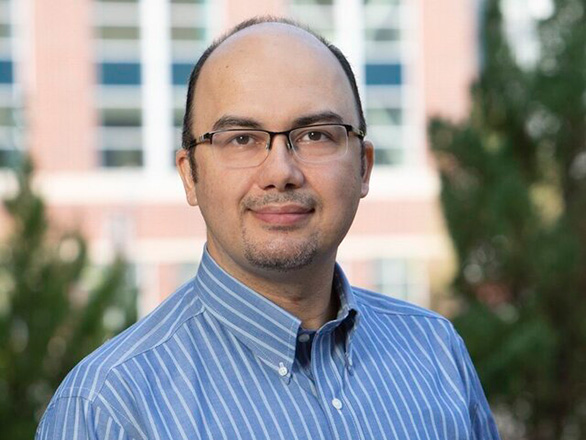
Behrooz Abbasi

Dr. Behrooz Abbasi

Associate professor and graduate director, Department of Mining and Metallurgical Engineering

Dr. Behrooz Abbasi is an engineer, researcher, and educator whose work focuses on energy resources, critical minerals, and emerging technologies. His research includes unconventional lithium extraction from brines and other nontraditional resources, critical-mineral recovery, water and resource recovery, and technologies that support the growing demand for materials used in energy systems, infrastructure, and advanced manufacturing.

Interview languages: English

Back to top


Lithium mining waste repurposing; lithium batteries; carbon dioxide conversion; electrochemistry and electrocatalysis

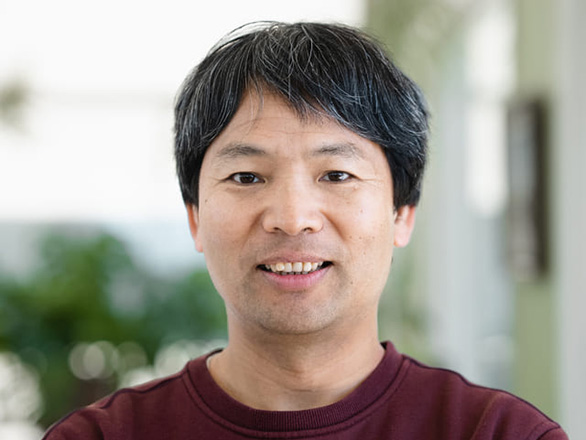
Chris Barile

Dr. Christopher Barile

Professor and Clemons-Magee Endowed Professor in Chemistry

Research focuses on electrochemistry, inorganic chemistry and materials chemistry to solve problems associated with energy conversion, storage and efficiency. His lab also studies controlling the structure and reactivity of battery interfaces, applying novel inorganic and organic materials to advance next-generation battery technologies. 

Interview languages: English

Back to top
 

Nevada Tech Hub; challenges and opportunities for lithium loop businesses; impacts on Nevada communities; workforce development

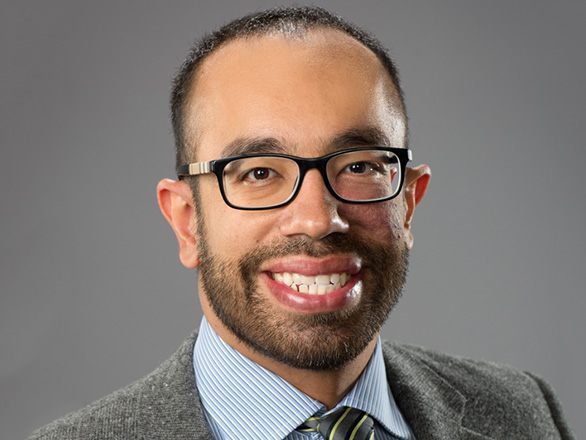
Richard Bartholet

Richard Bartholet

Regional innovation officer for the Nevada Tech Hub

Bartholet has guided economic development projects, led policy reform and nurtured start-ups in the energy domain for more than 40 years. In his current role, he works to advance Nevada's position in the global economic landscape through sustainable practices and technological innovation.

Interview languages: English

Back to top
 

Rare earth elements; critical materials purification; solvent extraction; separation processes

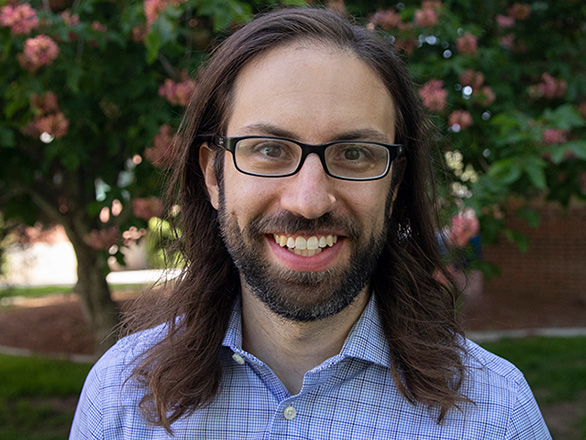
David Cantu

Dr. David Cantu

Associate professor of chemical and materials engineering

Research focuses on using molecular simulation and computational chemistry to study rare earth elements and separations. Dr. Cantu has a research project supported by the U.S. Department of Energy grant to identify extractants that bind to specific rare-earth elements, allowing them to be efficiently separated from one another. He also earned a CAREER award from the National Science Foundation in 2021 to investigate rare-earth elements in solvent extraction.

Interview languages: English and Spanish

Back to top


Electrochemistry; lithium; critical materials; battery recycling; corrosion; pyroprocessing; materials performance/degradation; materials for extreme environments

Dev Chidambaram

Dr. Dev Chidambaram

Nevada Regents Researcher, fellow of the Electrochemical Society and professor of chemical and materials engineering

Research centers on understanding electron-transfer processes, next-generation nuclear reactors, reprocessing of used nuclear fuel, catalysis, and steel production. His lab emphasizes engineering application development, translating fundamental electrochemical insights into practical technologies for energy, materials protection and longevity, and materials innovation. His patent-pending, water-free molten-salt electrochemical process for recovering critical minerals from batteries and e-waste was licensed and spun-off with a Reno-based startup— the University's first critical materials technology license. 

Interview languages: English

Back to top
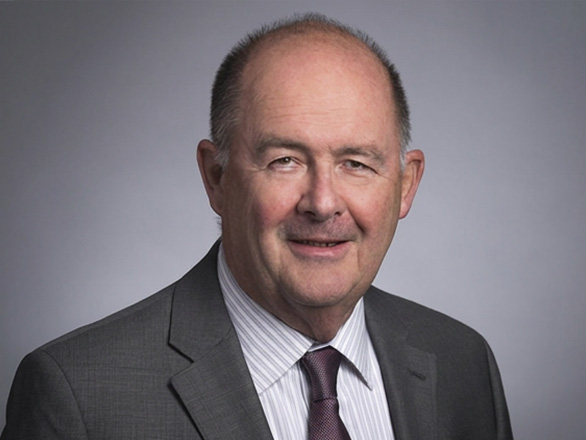
 

Rare earth minerals; lanthanides; actinides; f-elements; inorganic chemistry

Ana de Bettencourt-Dias

Dr. Ana de Bettencourt-Dias

Department of Chemistry chair, Susan Magee and Gary Clemons Professor of Chemistry and foundation professor

Research focuses on rare earth minerals, which are lanthanides and actinides or the “f-elements.” Her research group studies luminescent lanthanide compounds, chemical materials that glow when exposed to light or energy. Her work originally focused on commercial lighting and has now shifted to lanthanide separation and medical applications like cancer research and therapeutics.

Interview languages: English, German, Italian, Portuguese

Back to top


Nevada Native Nations Center; economic, workforce and education opportunities for Tribal communities

Daphne Emm Hooper

Daphne Emm Hooper

Director of Indigenous Relations

Daphne Emm Hooper (Walker River Paiute) works closely with the Indigenous communities throughout the state, building meaningful partnerships and fostering strong connections with the University. Her team is committed to creating programs and initiatives that support Indigenous students, staff and communities, ensuring their voices are heard and opportunities for success are expanded. In her role, she oversees the Nevada Nations Center, which ensures that Nevada’s Tribal Nations and Indigenous communities can equitably access economic, workforce and educational opportunities that strengthen Tribal participation and support the overall economic success of the Nevada Tech Hub region.

Interview languages: English

Back to top
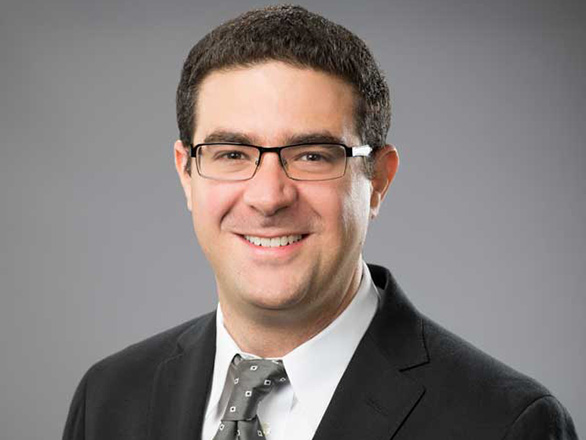
 

Critical minerals supply chain; sustainable extraction; biomining

Homayoun Fathollahzadeh

Dr. Homayoun Fathollahzadeh

Postdoctoral research fellow, Nevada Bureau of Mines and Geology

Research focuses on supply chain of critical metals such as antimony, bismuth, gallium, indium and tellurium and the sustainable extraction of critical minerals, particularly rare earth elements (REEs). His work investigates the use of biomining to enhance the bioleaching process from primary and secondary resources. He also identifies and quantifies promising areas for enhanced critical by-product metal recovery from mineral deposits that contain significant concentrations of these elements within existing primary metal supply chains.

Interview languages: English

Back to top
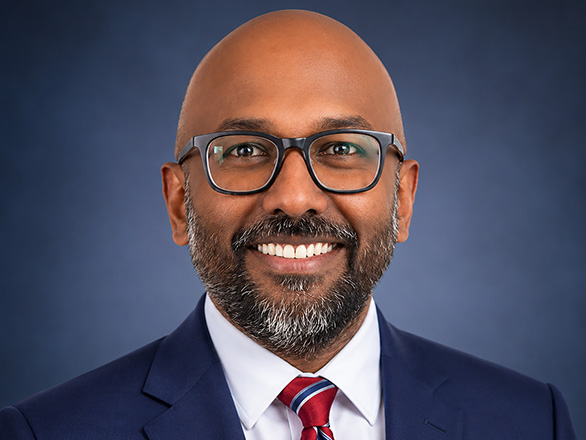
 

Geology; geologic mapping; mineralogy; geochronology; origin of lithium clay deposits

Chris Henry

Dr. Chris Henry

Research geologist emeritus

Research uses geologic mapping, geochronology, geochemistry, and volcanology to determine the location, timing of formation, and origin of lithium clay and other mineral deposits. Henry also applies these and other tools to assess the environmental impact of lithium mining and understanding lithium and other mineral’s behaviors in water and social systems.

Interview languages: English

Back to top
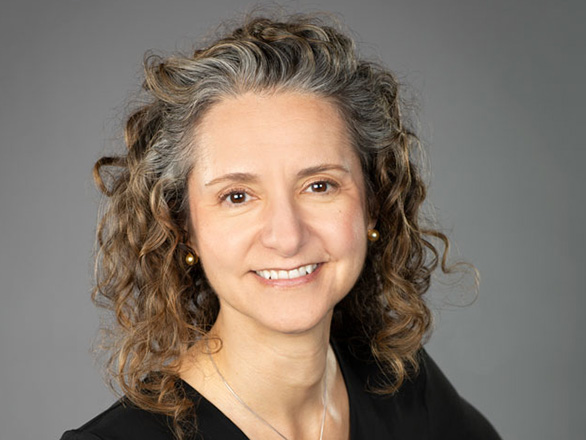
 

Critical mineral supply and demand; geology of critical mineral deposits; critical mineral mining; precious metal and mineral exploration; mineral exploration; precompetitive data

Simon Jowitt

Dr. Simon Jowitt

Nevada state geologist, director of the Nevada Bureau of Mines and Geology, Arthur Brant Chair in Exploration Geology and professor

Research focuses on economic geology and the use of geochemistry to unravel geological processes in a variety of settings with direct application to understanding not only mineralizing systems but also mineral exploration, global tectonics and other topics. He has also undertaken extensive research on mineral economics, global metal resources and the security of supply of critical, base and precious minerals and metals.

Interview languages: English

Back to top
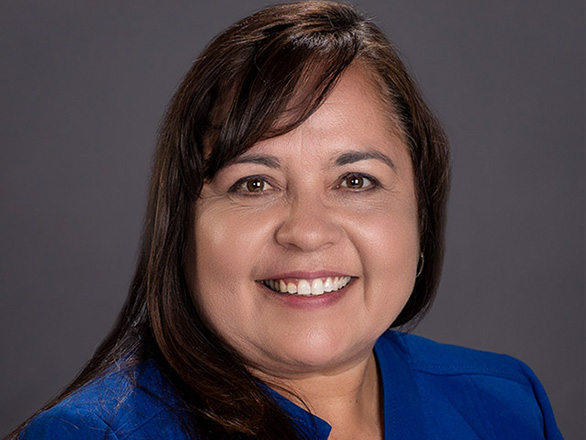
 

Reverse supply chain logistics and sustainability; blockchain and digital product passports

Ron Lembke

Dr. Ron Lembke

Department chair of marketing and professor of supply chain management and business analytics

His research focuses on reverse logistics and sustainability, which examines how products move backward through the supply chain for reuse, refurbishment, recycling or responsible disposal. He can discuss improving resource utilization and designing more efficient logistics networks in the critical mineral supply chain. He also works on logistics data standards, including blockchain and digital product passports.

Interview languages: English

Back to top
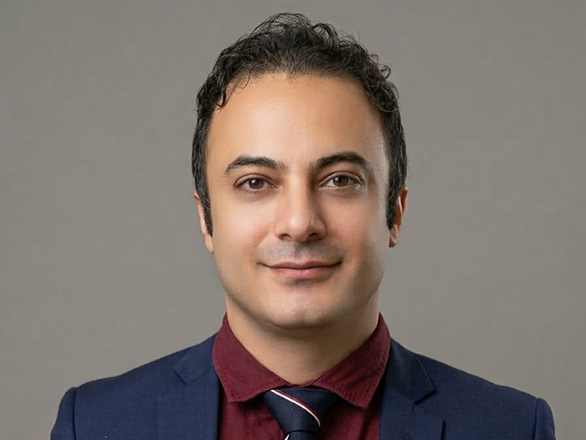
 

Lithium recovery methods; chemical features of lithium; lithium-ion batteries; battery recycling; sustainable extraction and recycling practices

Pradeep Menezes

Dr. Pradeep Menezes

Professor of mechanical engineering

Can discuss lithium-ion batteries and the growing trend of electric vehicles, as well as solid-state lithium batteries, energy-efficient lithium extraction, battery recycling and using methods to make recycling more efficient and safer. He researches lithium recovery methods, such as hydrometallurgy, pyrometallurgy, recycling, as well as new ideas such as mechanochemistry, ion pumping and bioleaching.

Interview languages: English

Back to top
 

History of mining; history of critical minerals; history of technology and science; environmental history; Nevada and the West

Eric Nystrom

Dr. Eric Nystrom

Associate professor of history

Specializes in the history of mining. Research and teaching interests also include the history of critical minerals, environmental history, history of Nevada, history of modern gold mining in Nevada and the West and more.  His book, "Seeing Underground: Maps, Models and Mining Engineering in America," examines the importance of visual tools to the emergence of the American mining profession.

Interview languages: English and Spanish

Back to top


Geological concerns regarding critical minerals; formation of mineral resources; role of volcanism in critical minerals; role Nevada plays in critical minerals

Philipp Ruprecht

Dr. Philipp Ruprecht

Professor of geological sciences and engineering

Studies how gases from volcanoes create pathways for the formation of valuable metals, including critical minerals. His research focuses on the natural systems and the chemical “fingerprints” left behind, while also considering the physics and fluid dynamics of magmatic systems. Ruprecht runs the University of Nevada, Reno Volcano Research Group and has studied volcanoes in the high Andes, the far reaches of Russia, the world’s oceans and the young and old volcano laboratories in Nevada. 

Interview languages: English, German and Spanish

Back to top


Advanced electronics that rely on critical mineral materials; nanoscale materials for electronic devices; technological advancements made with critical minerals

JP Park

Dr. Jeongwon (JP) Park

Professor of engineering and biomedical engineering

Develops advanced electronic materials and semiconductor technologies that support the use of critical minerals in next-generation electronics. His research includes nanoscale materials and gallium-based semiconductors that enable faster, smaller and more energy-efficient devices for communications, clean energy and advanced sensing applications. Park’s research includes developing deep learning and wearable technology to understand the symptoms of Parkinson’s disease, improving deep brain stimulation systems and developing highly sensitive sensors that detect airborne chemical and biological agents.

Interview languages: English

Back to top
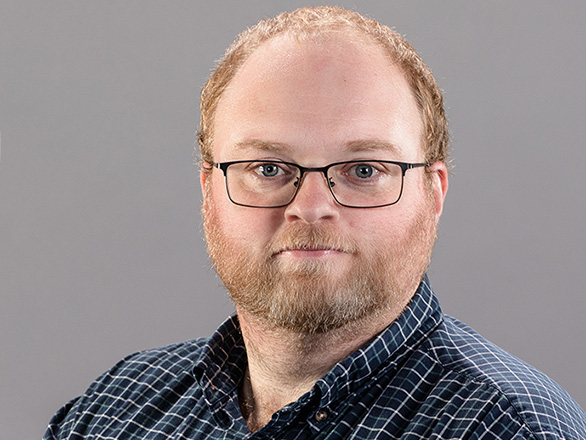
 

Critical minerals in mine waste; critical mineral potentials of active mines that aren't currently producing critical minerals; critical mineral recovery potential during mine clean-up operations

Jesse Scholpp

Dr. Jesse Scholpp

Postdoctoral research fellow, Nevada Bureau of Geology and Mines

Dr. Jesse Scholpp is a geochemist and economic geologist whose work focuses on assessing the critical mineral potential of mine waste and unmined mineral deposits. He combines fieldwork, geochemical analysis, and computational modeling to identify new domestic sources of critical minerals, including a recent statewide assessment of Nevada's heap-leach facilities, revealing that billions of dollars in untapped critical metals likely remain.

Interview languages: English

Back to top
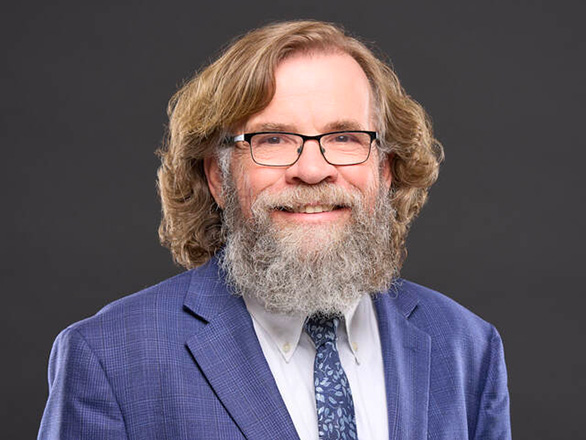
 

Nevada Tech Hub; workforce development; Lithium Loop; small business development

Frederick Steinmann

Dr. Frederick Steinmann

Director, University Center for Economic Development, College of Business

Serves as the principal investigator for the Nevada Tech Hub, also known as the Nevada Lithium Battery and Other EV Materials Loop Regional Technology and Innovation Hub.  The hub is supporting the development of a complete, sustainable ecosystem for lithium batteries and energy storage, from mining to recycling. His work focuses on proactively addressing the demand for highly technical jobs in the growing battery industry by collaborating with industry, workforce development and higher education partners to fund and create relevant training and career pathways.

Interview languages: English

Back to top
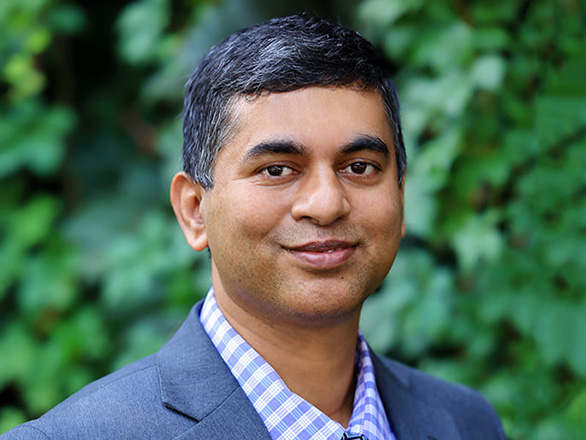
 

Separation science and hydrometallurgical processing; critical-mineral recovery, separation, and recycling; environmental impacts and sustainability of mining and minerals processing; life-cycle assessment and carbon footprinting; techno-economic analysis

Eshan Vahidi

Dr. Ehsan Vahidi

Associate professor and chair of the Department of Mining and Metallurgical Engineering

Research focuses on sustainability and minimizing the impacts of mining. He conducts sustainability assessments and carbon footprinting to calculate the environmental impacts of mining production. His research includes the sustainable recovery and separation of lithium from brines and leachates and the recovery of rare earth elements from mine tailings. He also explores phytomining, a method that uses plants to extract valuable metals from the soil, for recovering critical minerals as an alternative to traditional mining methods. 

Interview languages: English

Back to top
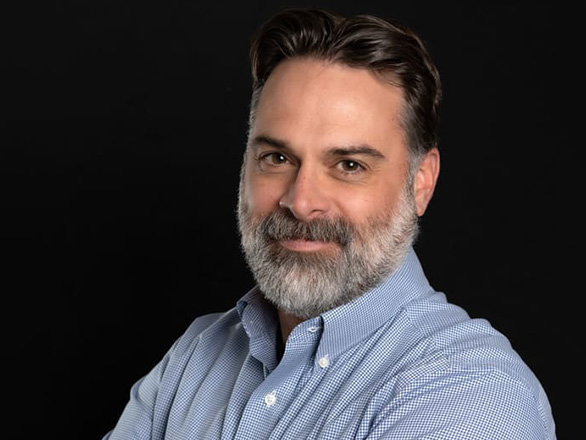
 

Lithium battery fires and suppression; miner health and safety; mineral characterization

Xiaoliang Wang

Dr. Xiaoliang Wang

Director and research professor of the Atmospheric Sciences Graduate Program

Researches the smoke and chemicals released during lithium-ion batteries fires and how to detect and suppress such fires. Additionally, he studies emissions from mining activities and industrial facilities. He conducts miner training to reduce respirable dust and crystalline silica exposure, improving respiratory protection. His lab houses advanced mineral-analysis instruments, including XRF, XRD, ICP-MS, TGA, CHNS-O, GC-MS, and ion chromatography systems. Wang holds a joint appointment with the Desert Research Institute.

Interview languages: English

Back to top