Tahoe Institute faculty labs
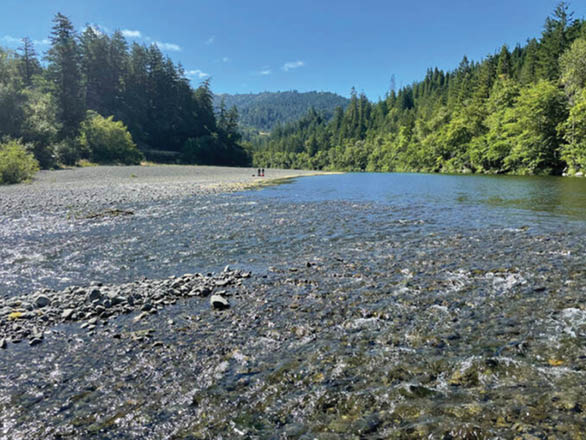
Blaszczak Freshwater Ecosystem Ecology Lab

Nevada Soil Ecology Lab
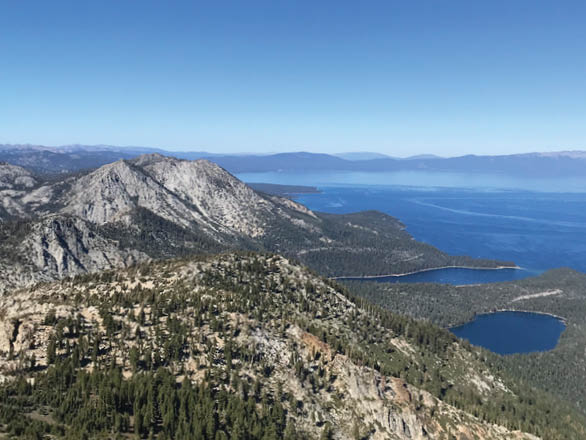
Lake science extends beyond the shores of Lake Tahoe and into the surrounding watersheds and environment. Forests and streams are being studied for their critical role in transporting nutrients and particles into the lake, with particular attention to how snowmelt, wildfire and climate change influence these inputs.
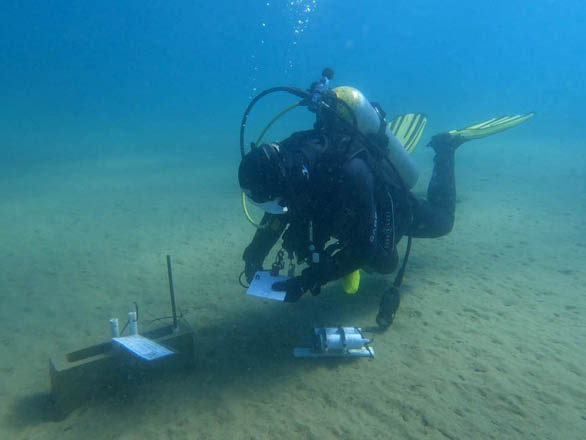
Researchers at the Institute are studying the alarming transformation of Lake Tahoe's bottom and nearshore edges, including the spread of invasive species and the type of algae and causes of nearshore greening. We also work with our partners to explore the deep bottom of the lake which is home to sensitive species unique to Lake Tahoe.
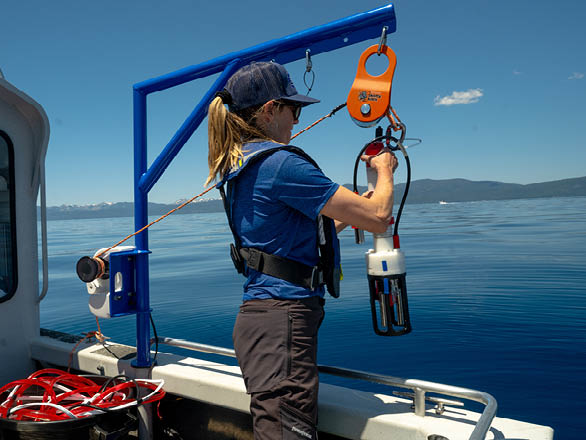
Scientists are using new instruments to analyze the type, quality, and quantity of particles in both nearshore and offshore environments to better understand what affects the lake's famous clarity.

The first of its kind at Lake Tahoe, the Tahoe Environemental Observatory Network (TEON) is pioneering efforts to brings an inclusive approach to science informed management by democratizing data collection abnd making accessible to managers, policy makers and the public.
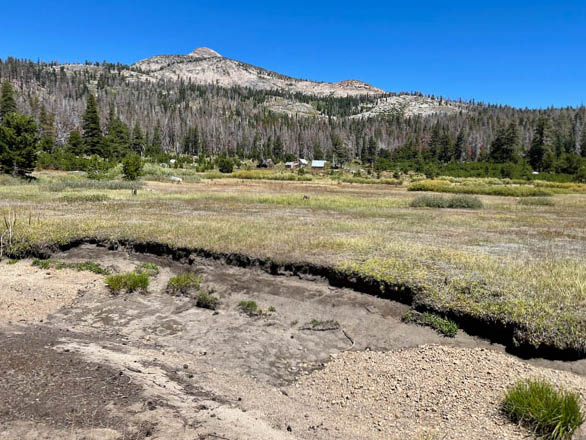
Researchers are exploring the health and resilience of ecosystems surrounding the lake, including meadows, alder stands, and whitebark pine, and their connections to broader Lake Tahoe ecological dynamics.
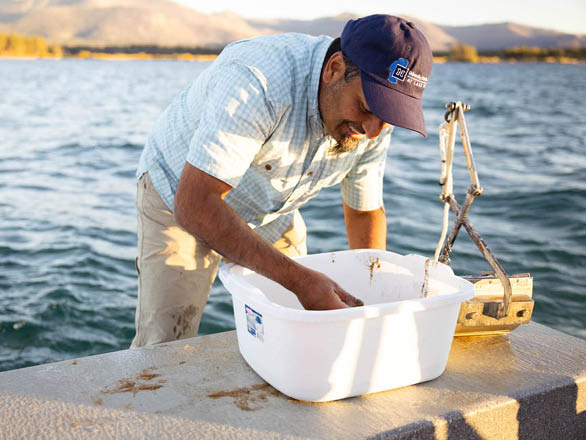
For the first time since the 1960s, researchers completed a study for the Tahoe Science Advisory Council to have a contemporary understanding of zooplankton populations in Lake Tahoe to understand their role in governing water quality and clarity across the lake.
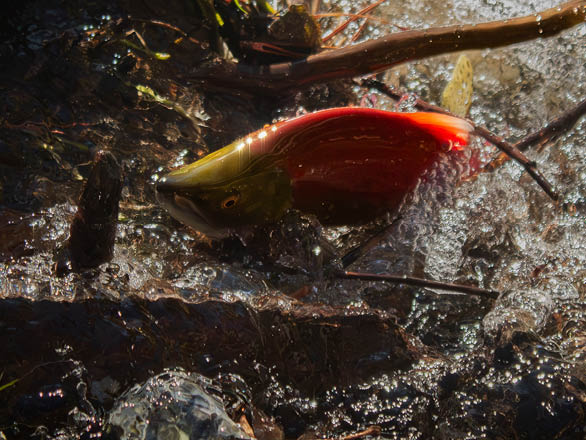
University researchers are examining the current state of native and nonnative fish populations in Lake Tahoe and nearby lakes to understand their ecological contributions to the broader aquatic ecosystem.