In June, the College of Education and Human Development received A+ grades from the National Council on Teacher Quality (NCTQ) for its Integrated Elementary Teaching, B.S. in Education and Master of Education, First-Time Licensure Program in Elementary Education. Both programs are housed in the College’s Department of Educator Preparation. The programs were graded for how well they prepare future teachers to teach reading to elementary students based on standards set by literacy experts for coverage of the most effective methods of reading instruction.
The grades were published by the NCTQ in their report, Teacher Prep Review: Decoding Progress in Reading Preparation. In the report, programs are evaluated across five components of scientifically based reading instruction, including phonemic awareness, phonics, fluency, comprehension and vocabulary. Programs are also judged for how well they avoid instructional practices that research has shown to be ineffective or counterproductive for teaching children to read.
“For more than two decades, the University of Nevada, Reno’s undergraduate and graduate literacy teacher education programs have emphasized the five essential components of reading instruction and writing instruction,” said Literacy Studies Professor Julie Pennington, Ph.D. “Our approach focuses on educating rather than training teachers by grounding their experiences in applying theory and research to literacy instruction, assessment and curriculum to meet students’ needs.”
The University Literacy Studies program offers both online and in-person coursework. Preservice and in-service teachers in University programs must complete a minimum of four courses in literacy curriculum, instruction and assessment. Additionally, they engage in University-supervised tutoring practicums where theory and research are applied through assessment, instruction, reflection and collaboration.
“An important part of our evidence-based preservice teacher preparation is our collaboration with regional educators and state leaders. In both teaching and research, we work closely with our colleagues in schools and in district and state leadership to understand the very real needs of PreK-12 students in Nevada," said Literacy Studies Program Coordinator and Professor Dianna Townsend, Ph.D. "These research-to-practice connections enrich the learning experiences of both our preservice teachers and their future students.”
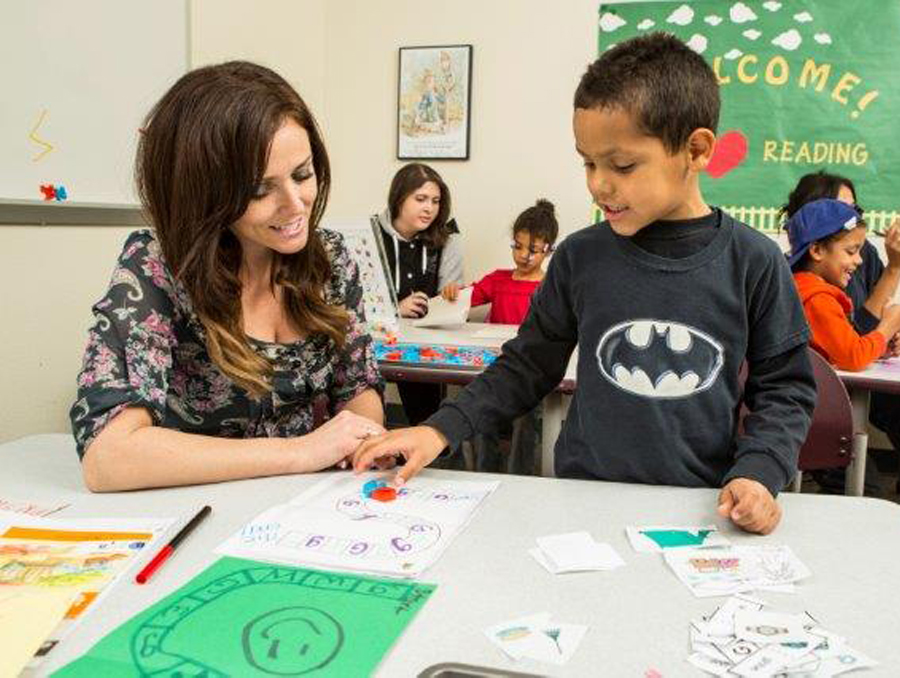
The Literacy Studies program is housed within the E.L. Cord Foundation Center for Learning and Literacy (CLL) and provides literacy tutoring to students in the local community through our coursework, research and grant funded initiatives. Other Literacy Studies program initiatives offer professional learning and community outreach to Nevada’s teachers and families.
“Every child deserves a teacher who has been well prepared to teach reading, and every teacher deserves the opportunity to enter the classroom ready to help students succeed,” said NCTQ President Heather Peske. “Across the country, many teacher preparation programs still do not fully align with the science of reading, but the University of Nevada, Reno is demonstrating what strong preparation can look like.”


