 Find more answers here!
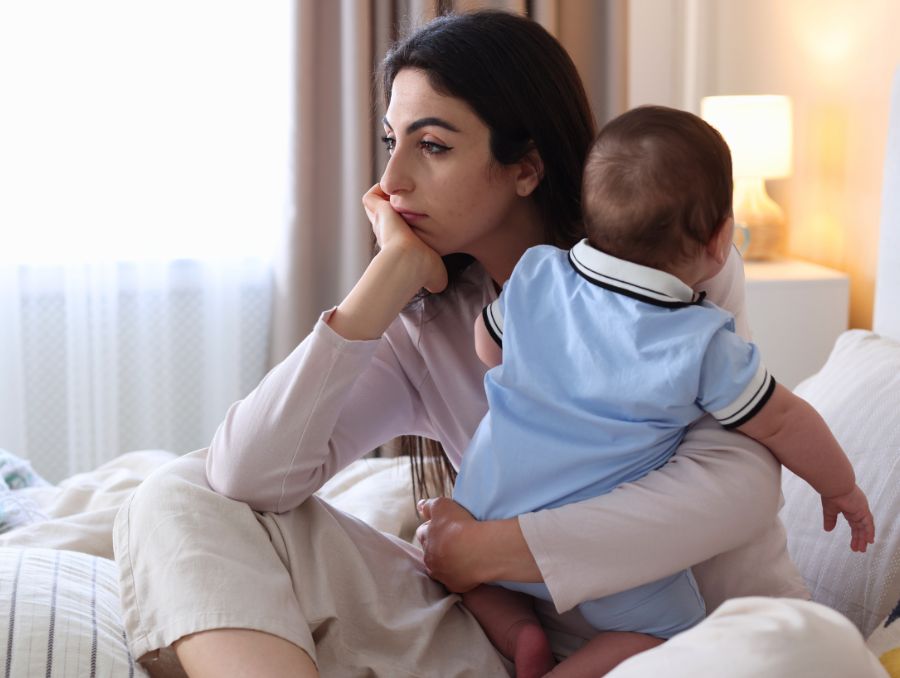
Pregnancy and bringing home a new baby are often described as joyful experiences, but for many people, they can also feel overwhelming, isolating and emotionally difficult. Anxiety, depression and other mental health challenges during pregnancy and postpartum are common, yet many families still struggle in silence because of shame, stigma or fear of judgment.
Myth: If someone looks happy, they must be doing okay.
Fact: Many people continue going to work, caring for their families, smiling in photos and managing daily life while privately struggling. Mental health challenges during pregnancy and postpartum are not always visible.
Myth: Depression only happens after the baby is born.
Fact: Mental health symptoms can begin during pregnancy, not just postpartum. Hormonal changes, stress, sleep disruption, medical complications and major life transitions can all affect emotional wellbeing.
Myth: People should just “push through it.”
Fact: Mental health conditions are medical conditions, not personal failures. Support, connection and compassionate care can make a huge difference.
Encouraging loved ones to create safe, nonjudgmental spaces for honest conversations and to offer practical support, when possible, whether that means checking in regularly, helping with meals or childcare, or simply listening are so important in this phase of life.
It is important to remember that not every reproductive journey looks the same. Individuals and families navigating infertility, pregnancy loss, traumatic birth experiences or NICU stays may also experience significant emotional challenges and deserve support and understanding.
As awareness surrounding maternal mental health continues to grow, Northern Nevada communities are working to reduce stigma and increase support for families. Thompson, who serves on the board of the Nevada chapter of Postpartum Support International, is helping organize the first PSI Reno Climb for Maternal Mental Health on June 6, 2026, at Cyan Park in Reno to raise awareness and encourage connection within the community.
There is also growing recognition that healthcare professionals need more specialized education in this area. Thompson recently developed the Reproductive and Perinatal Psychiatry Microcredential course through the University of Nevada, Reno Orvis School of Nursing to help healthcare professionals improve recognition, support and care for individuals during pregnancy and postpartum.
By continuing to talk openly about pregnancy and postpartum mental health, communities can help ensure that more individuals and families feel supported, understood and empowered to seek help when they need it most.
If you or someone you know is struggling during pregnancy or postpartum, support is available:
- Postpartum Support International (PSI)
- MGH Center for Women’s Mental Health
- In an emergency or mental health crisis, call or text 988 for immediate support.
About the professor
Andrea Thompson, APRN, PMHNP-BC, FNP-C, PMH-C, is a lecturer at the Orvis School of Nursing and a dual certified family practice and psychiatric nurse practitioner specializing in reproductive and perinatal mental health. Her clinical experience spans outpatient reproductive psychiatry, inpatient psychiatry, emergency psychiatric consultation and primary care, with a focus on integrated and collaborative models of care for women and families. Thompson currently serves as the director of mental health at FEM Women’s Wellness in Reno and has presented and guest lectured on topics related to perinatal mental health, psychopharmacology, trauma informed care and women’s mental health at local and national conferences and academic programs. As a mother of four, she is passionate about improving awareness, education and support for families during pregnancy and postpartum.


