 Find more answers here!
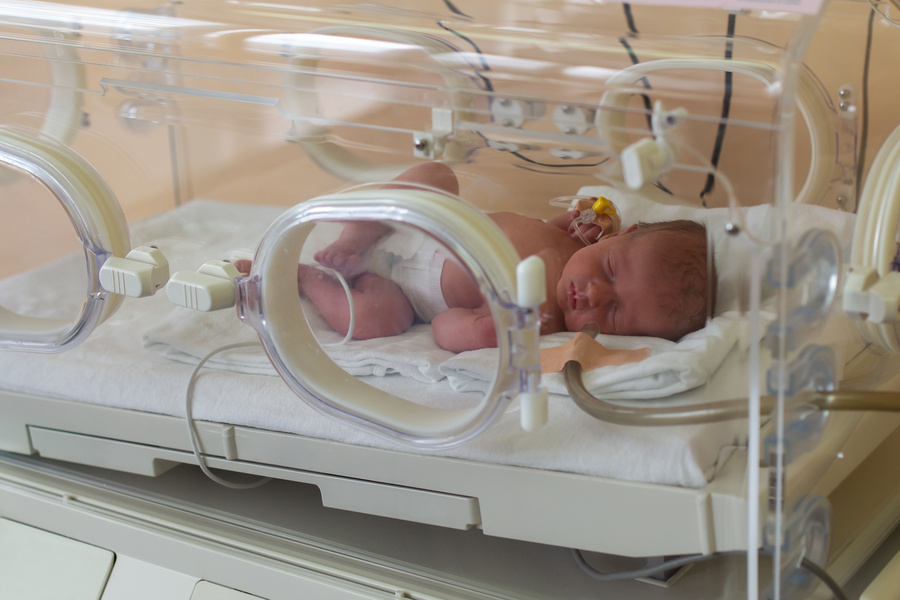
Nevada continues to face a troubling preterm birth rate. According to the latest March of Dimes Report Card, 11% of babies born in the state arrived prematurely in 2024, earning Nevada a D grade.
While researchers continue searching for ways to help more mothers carry babies to term, one possible contributor often flies under the radar: vitamin D.

In a state that averages more than 300 days of sunshine a year, that may sound unlikely. But vitamin D deficiency remains common during pregnancy, prompting researchers such as Irene Richardson, a fifth-year doctoral student in the Scott Barnett Lab within the Department of Biochemistry, Molecular Biology & Biotechnology in the College of Agriculture, Biotechnology & Natural Resources, to investigate whether the nutrient plays a role in preterm labor.
Why did you decide to study vitamin D and pregnancy?
Pregnancy is one of the most remarkable and demanding periods in a woman's life, and nutrition plays a critical role in supporting both maternal health and fetal development. My background in nutritional sciences first drew me to this area of research. Vitamin D is particularly interesting because, unlike most essential nutrients, our bodies produce much of it through exposure to sunlight. Yet, vitamin D deficiency remains surprisingly common during pregnancy, making it an important focus for researchers seeking to better understand the factors that contribute to healthy pregnancy outcomes.
How common is vitamin D deficiency during pregnancy, and why does it matter?
Vitamin D deficiency during pregnancy appears to be far more common than many people realize. A recent study found that 68% of pregnant women had deficient vitamin D levels during the first trimester, 81% during the second trimester and 70% during the third trimester, suggesting deficiency is a widespread concern throughout pregnancy.
Why does that matter? Low vitamin D levels have been associated with several adverse pregnancy and infant health outcomes, including preterm birth, preeclampsia and low birth weight. Researchers have also found evidence linking inadequate maternal vitamin D levels to a higher risk of certain immune-related conditions in children, such as asthma.
How might vitamin D influence preterm labor?
That's exactly what researchers are trying to understand. Most people know vitamin D for its role in bone development and maintenance, but it also helps regulate the body's immune system. Inflammation is the body's natural response to injury, infection or stress, and it plays an important role during pregnancy and labor. However, when inflammation occurs too early or becomes excessive, it may trigger the uterus to begin contracting before a baby is ready to be born. My research explores whether vitamin D can help regulate those inflammatory signals, which could eventually lead to safer therapies that help more pregnancies reach full term.
Are there populations that may be at greater risk of vitamin D deficiency during pregnancy?
Yes. Several factors can increase the risk of vitamin D deficiency during pregnancy:
- Darker skin pigmentation: Higher levels of melanin can reduce the skin's ability to produce vitamin D from sunlight.
- Limited dietary sources: Vegans, vegetarians and others who consume little or no vitamin D-rich foods, such as fatty fish, may be at greater risk.
- Higher body mass index (BMI): Obesity has been associated with lower circulating levels of vitamin D.
- Season and sun exposure: People who spend less time outdoors or are pregnant during months with reduced sunlight may be more likely to have low vitamin D levels.
- Certain medical conditions: Digestive disorders, such as inflammatory bowel disease, can impair the body's ability to absorb nutrients, including vitamin D.
Nevada gets plenty of sunshine. Why are some pregnant women still vitamin D deficient?
While Nevada is known for its sunny climate, vitamin D levels are influenced by much more than sunlight alone. Diet, lifestyle, skin pigmentation, body weight, underlying health conditions and time spent outdoors can all affect how much vitamin D a person produces or absorbs. As a result, deficiency can occur even in places with abundant sunshine.
Nevada's preterm birth rate remains higher than the national average, and factors such as socioeconomic status, access to prenatal care and access to nutritious foods can also play important roles. In many rural parts of the state, communities face both maternal care deserts and food access challenges. Understanding how nutrition fits into that larger picture may help researchers and healthcare providers develop better strategies to support healthy pregnancies and give more babies the chance to be born full term.
About the author
Irene Richardson is a fifth-year doctoral candidate in the Scott Barnett Lab, housed in the Department of Biochemistry, Molecular Biology & Biotechnology, where she studies potential therapies to prevent preterm labor by slowing or stopping uterine contractions. Drawing on her background in the University's Nutritional Science Program, where she earned both her bachelor's and master's degrees. Irene investigates how nutritional factors such as vitamin D may influence pregnancy outcomes.


