 Find more answers here!
As of July 27, 2026, the CDC reports at least 1,947 cases of cyclosporiasis in the recent outbreak, with 98 hospitalizations across nine states. It is a serious issue, no doubt. However, it is important to base our food purchasing and consumption decisions on facts, not panic and hysteria, and to maintain healthy diets taking reasonable precautions.
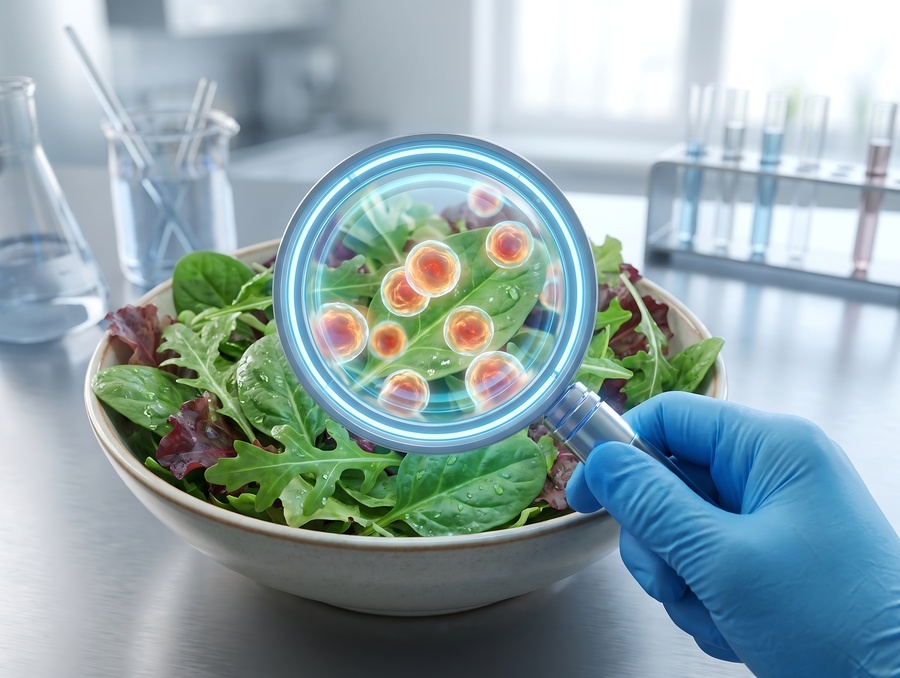
Cyclospora cayetanensis is a foodborne parasite commonly associated with the consumption of fresh produce, including leafy greens, herbs and other raw fruits and vegetables. Contaminated water and food-away-from-home could be other sources of infection.
On July 17, Taylor Farms initiated a recall of all iceberg lettuce sourced from central Mexico. However, recalled lettuce was distributed and sold in at least 27 states to consumers, restaurants and retailers.
Food safety perspective
From a food safety perspective, strengthening preventive measures across the food supply chain is essential. This includes safe handling from field to table, including good agricultural practices, safe water for irrigation, sanitation during harvesting and processing, and strict hygiene standards in food service establishments. Food handlers should be trained in safe produce handling, as conventional washing may not remove cyclospora contamination.
Public safety perspective
From a public health perspective, it is important that we all try to eat healthy diets. When looking at information on the outbreak, be sure to look for credible data from reliable sources. Remember that while leafy vegetables and other fresh produce have been associated with several foodborne disease outbreaks, they remain important sources of fiber, folate, vitamin K, carotenoids and other essential nutrients. We need to continue consuming vegetables while following recommended safe practices, rather than avoiding these important sources of nutrients altogether.
Some steps consumers can take to decrease their chances of infection include:
- Avoid purchasing recalled food.
- Consider purchasing from local producers at local farmers' markets so that you know exactly which farm produced what you are buying. Also refer to the Healthy Food Access Map.
- Wash hands before handling produce.
- Wash fresh produce thoroughly in cold running water.
- Remove outer leaves and visibly damaged portions.
- Use clean cutting boards and utensils.
- Refrigerate promptly after preparation.
- Consider cooking leafy vegetables to aid digestion for children and seniors and ensure food safety from microbial contamination.
For individuals infected with cyclosporiasis, nutritional care during infection is important. Prolonged diarrhea can lead to dehydration, electrolyte imbalance (salt, minerals and water), reduced appetite and weight loss. Vulnerable groups such as infants, children, older adults, pregnant women and immune-compromised individuals are at a greater risk of nutritional outcomes. Management should include:
- Adequate hydration and oral rehydration solutions when appropriate.
- Maintenance of energy and protein intake for adequate recovery.
- Soft, small, frequent meals if gastrointestinal (gut) problems persist.
About the professor
Angeline Jeyakumar is an assistant professor in the Department of Nutrition and Extension public health nutrition specialist. With more than 20 years of experience, her research focuses on food security, micronutrient deficiencies and nutrition strategies that help communities improve health through sustainable dietary choices. Her work spans maternal and child nutrition, adolescent health and chronic disease prevention among older adults.


