What is a physician assistant?
As licensed medical providers, physician assistants (PAs) diagnose illnesses, manage treatment plans, assist in surgeries and play a crucial role in expanding access to patient-centered, team-based care. The PA program at the University of Nevada, Reno School of Medicine (UNR Med) ensures graduates are versatile and will work closely with physicians and other health care providers as professionals.
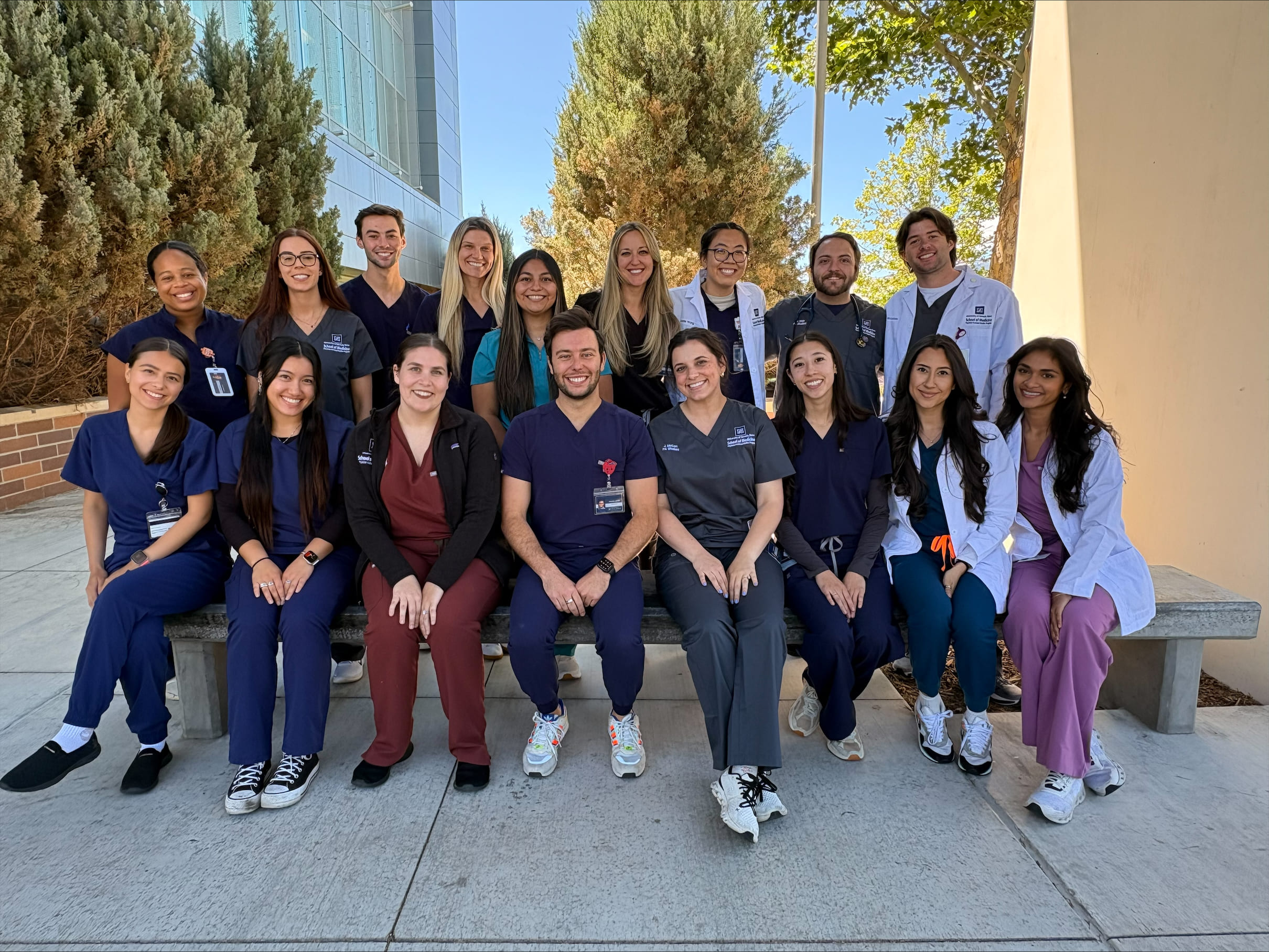
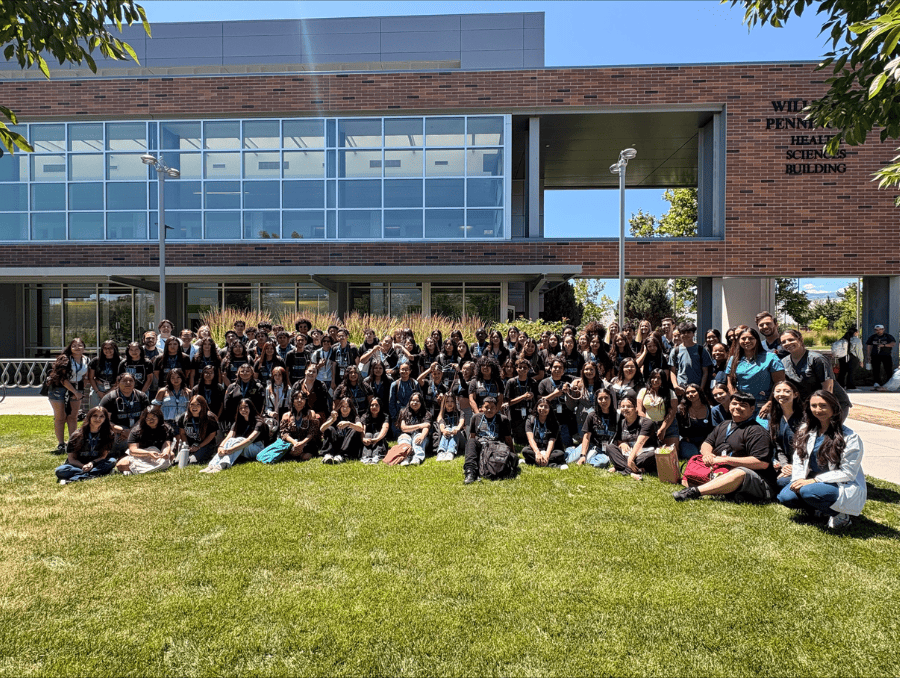
During the PA Student Success (P.A.S.S.) event, current students in the PA Studies Program strive to educate high school students about what a PA is and the possibility of pursuing a career as a PA professional. This event is a partnership between the University’s PA program and Upward Bound, a federally funded program to assist motivated, hard-working students in building a future through educational achievement.
“The P.A.S.S. project is important for both the students we present to and us as PA students,” said Jack McCollam, second-year PA student. “It gives us the chance to teach what a PA is and what we do, while introducing them to a career they may have never considered.”
McCollam has been the P.A.S.S. student chair since November 2025 and collaborates with Upward Bound to organize the event and manage expectations for both sets of students.
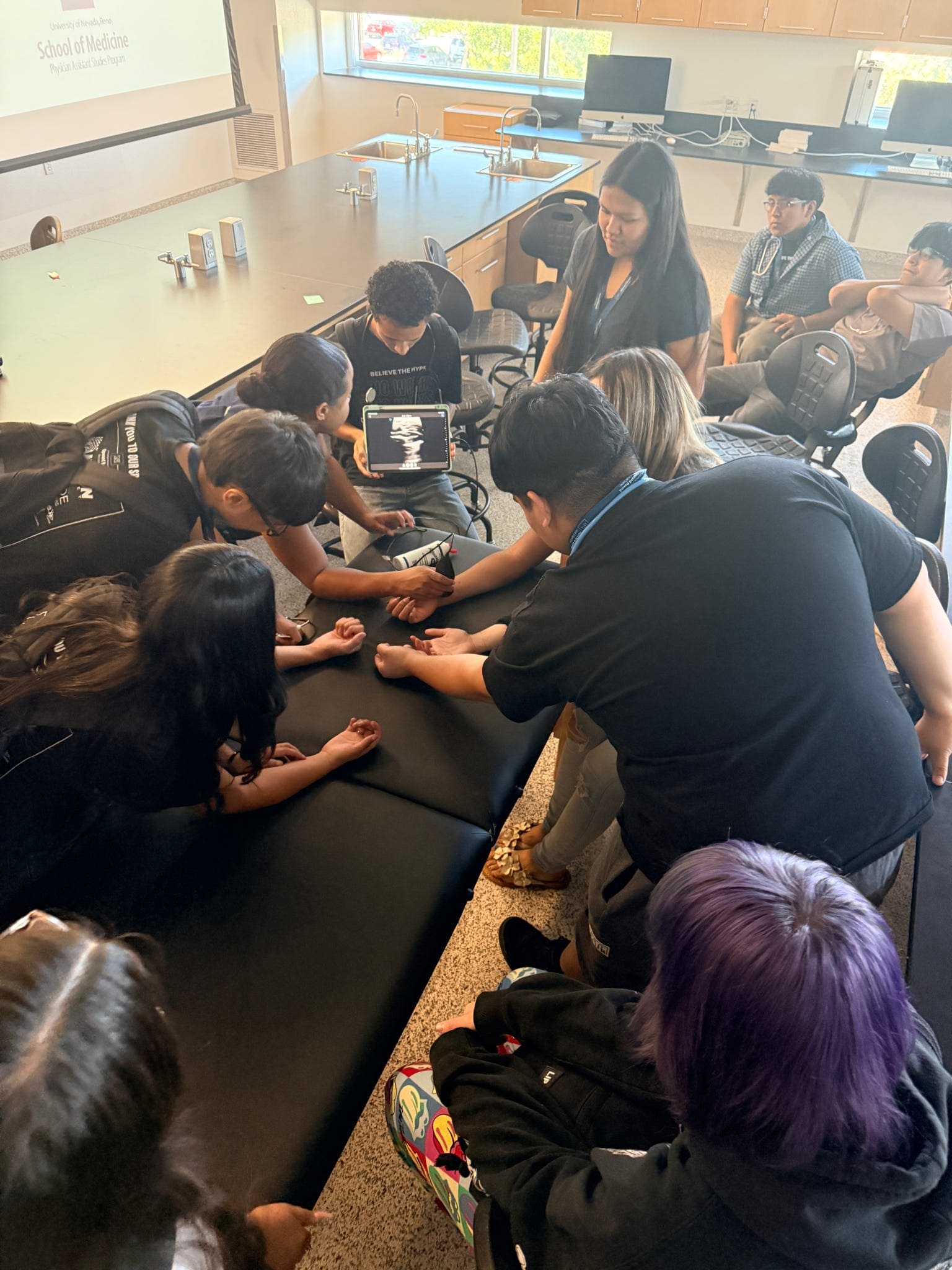
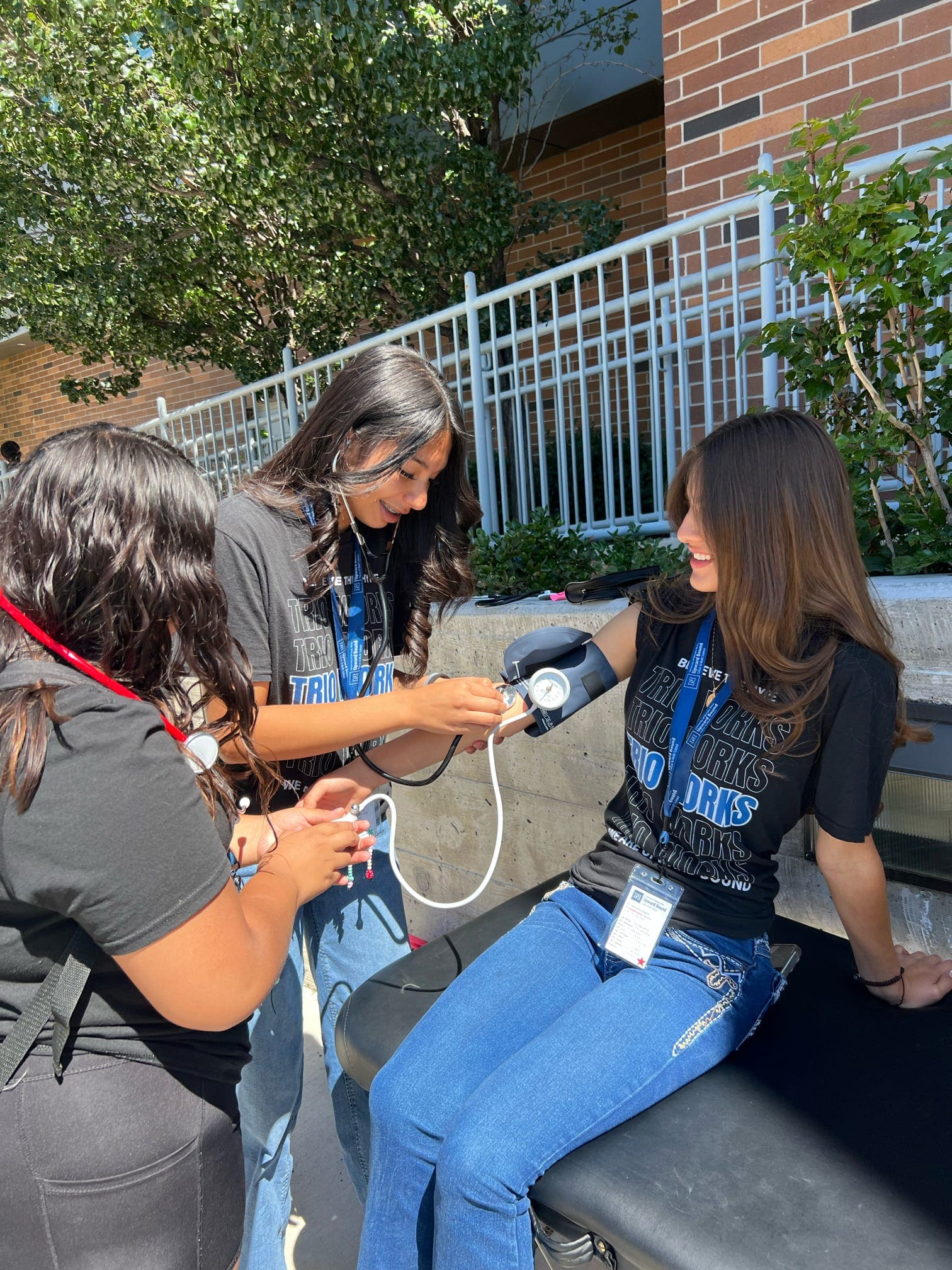
This year, the PA Studies Program expanded the level of engagement for Upward Bound students to make the event more interactive by including an ultrasound demonstration, adding reflex check stations and a new team-based competition for matching fractures to splints.
- Physical Exam Station: Upward Bound students listened to heart and lung functions with stethoscopes, performed reflex testing, examined ears and performed a physical examination of a heart model.
- Ultrasound Station: PA students introduced the basics of ultrasound imaging, demonstrated a live pregnancy ultrasound, explored multiple ultrasound applications and offered voluntary ultrasound practice.
- Orthopedics Station: Upward Bound students reviewed bone anatomy including fractures and splinting principles, assembled life-sized skeleton models and matched fractures with the appropriate splint in a team-based competition.
“The educational stations, presenters and information from this event shaped my future decisions by exposing me to new learning environments and career paths through hands-on lessons and situations,” said Paisley Martinez, a high school junior.
“We designed the event to be fun and interactive so they would leave excited not only about health care, but also about science and continuing their education,” said McCollam. “At the same time, it gave us the opportunity to reinforce many of the skills and knowledge we have gained over the past year.”
This year, the PA program’s P.A.S.S. initiatives continued to grow in both reach and impact. In his role as P.A.S.S. student chair, McCollam established a new partnership with the Boys & Girls Club, expanding the initiative through an additional P.A.S.S. event incorporated into the organization’s career exploration programming. PA faculty advisor Angel Cappiello, MPAS PA-C, assistant professor, also connected the student group with Kids University’s Healthcare Heroes summer camp, creating a new opportunity for PA students to introduce elementary-aged children to the PA profession and the possibilities of a future career in healthcare.
“Jack’s leadership, together with the enthusiasm and commitment of his peers, has been instrumental in taking this student-led outreach initiative to the next level,” said Cappiello. “By creating opportunities for young people to see themselves in healthcare careers, sometimes years before they might otherwise encounter those possibilities, the impact of their work has the potential to extend far beyond what our PA students can see today.”
McCollam will submit details of the initiative to the Physician Assistant Education Association (PAEA) as part of a nationwide competition among PA programs before passing leadership to the incoming P.A.S.S. student chair this fall.
“I did not know about physician assistant as a career,” said Javier Gomez Barba, a high school sophomore. “I was shocked to learn there were more careers than just doctors.”
Divided into three rotating groups, 90 students participated in 30-minute stations to explore physical examinations, ultrasounds and orthopedics.
“Before I started pursuing a career in healthcare, I had no idea what a PA was or what they could do,” said McCollam. “As I worked toward PA school, I began to understand what a PA is truly capable of, and that is what inspired me to participate in the P.A.S.S. project. I wanted to help educate students about the profession and introduce them to a career they may have never considered, but one that I believe is incredibly rewarding.”


