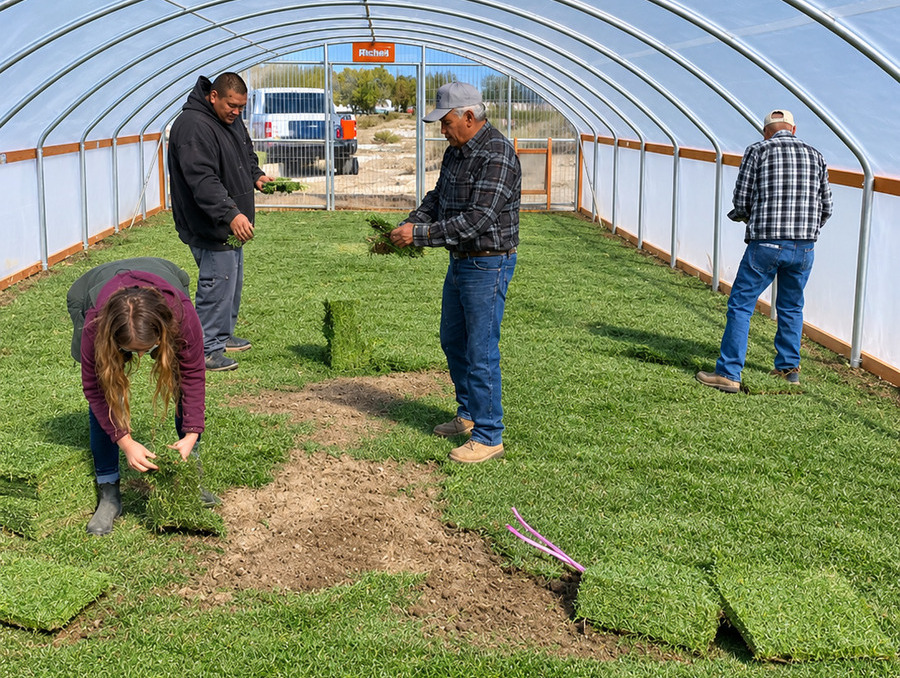
Rural Nevadans face higher rates of chronic illnesses, such as heart disease and diabetes, than city dwellers. Yet with nearly 80% of the state's healthcare resources concentrated in urban areas, many rural residents must travel hours to access specialty care. The challenges are particularly acute in Tribal communities, where suicide rates among American Indian and Alaska Native youth ages 10 to 24 are more than double the national youth average.
To help address those disparities, University of Nevada, Reno Extension has received more than $2.5 million through the Rural Health Outcomes Accelerator Program, an initiative of the Rural Health Transformation Program administered by the Nevada Health Authority.
The funding will support four projects focused on some of Nevada's most pressing health challenges, including youth mental health on Tribal lands, chronic disease prevention and management, nutrition education and improved access to care. The projects will run from October 2026 through August 2027.
The four projects
Connecting elders and youth to strengthen mental health
Tribal youth will learn directly from elders carrying generations of cultural and ecological knowledge through the NexGen Tribal Healing Project. The initiative received a $1.4 million grant to support youth mental well-being, reduce substance misuse and help prevent suicide.
Led by Extension Professor Staci Emm, the initiative will partner with four Nevada tribes to strengthen youth behavioral health through mindfulness education, culturally grounded mentorship and other activities offered through Extension's 4-H Youth Development Program. Participants will develop resilience and emotional regulation rooted in Tribal traditions while learning healthy ways to navigate life’s challenges.
In its first year, the initiative aims to engage 200 Tribal youth and recruit 15 adult male mentors to provide cultural guidance and promote positive decision-making. Responding to requests from Tribal leaders for stronger mentorship and leadership opportunities, the project will help cultivate the next generation of male role models. Organizers also anticipate creating three to five new workforce pathways tied to youth development, mentorship and community wellness.
Participating tribes include the Walker River Paiute Tribe, Fallon Paiute-Shoshone Tribe, Pyramid Lake Paiute Tribe and the Shoshone-Paiute tribes of the Duck Valley Reservation.
Using traditional foods to fight chronic disease
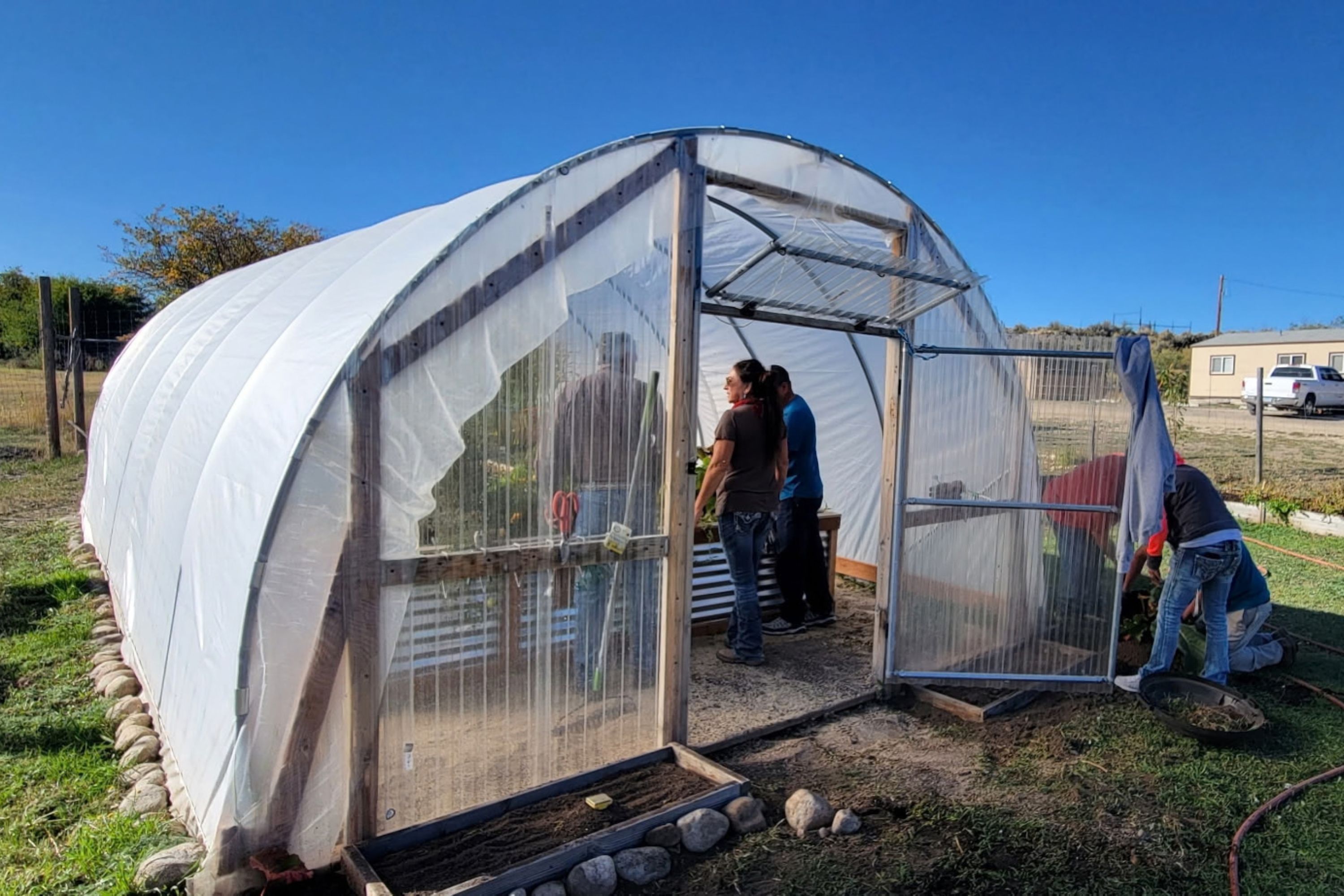
The Food Is Medicine Wellness Initiative, funded at $500,000, will help Tribal communities address diabetes and heart disease by reconnecting residents with healthy traditional and medicinal foods. Also led by Emm, the project expands Extension's hoop house and cultural harvest programs while working toward making healthy food a recognized part of Tribal healthcare.
The initiative plans to build new hoop houses or upgrade existing ones in each participating Tribe to increase access to locally grown foods and strengthen Tribal food sovereignty. Participating tribes will also receive training on the nutritional and medicinal uses of traditional foods through cultural harvest workshops. In addition, project leaders will work with Tribal health systems to incorporate traditional foods and healing practices into chronic disease prevention efforts and explore Medicaid reimbursement opportunities, helping sustain the programs long after the grant period ends.
Participating tribes include Shoshone-Paiute tribes of the Duck Valley Reservation, Walker River Paiute Tribe, South Fork Band Council, Yerington Paiute Tribe, Duckwater Shoshone Tribe, Fallon Paiute-Shoshone Tribe, and the Washoe Tribe of Nevada and California.
Bringing preventive healthcare into schools
An estimated 8,500 students in Douglas, Pershing and Elko counties will gain access to free nutrition and fitness screenings through Nutrition Outcomes Using Rural Integrated School Health Nevada, a $463,542 project led by Macy Helm, Extension's director of statewide program initiatives. School nurses will identify potential health concerns early and connect families with local intervention programs and healthcare providers when needed. The project is supported by the University's Orvis School of Nursing and School of Public Health.
When doctors prescribe nutrition
In Lyon County, the Digital Referral Pathway for Chronic Disease Screening and Nutrition Education project will integrate nutrition education into patient care. Backed by $185,885, the initiative will partner with local clinics to refer patients with chronic diseases directly to Extension's research-based nutrition programs. Led by Helm; Annie Lindsay, Extension state specialist and professor of public health; and Angeline Jeyakumar, assistant professor in the Department of Nutrition and Extension nutrition specialist for northern Nevada, the project will help residents use nutrition and lifestyle changes to better manage conditions such as diabetes and heart disease through Extension’s Healing With Nutrition and Healthy Steps to Freedom programs.
“Residents of rural Nevada shouldn’t have to leave their communities to get help staying healthy,” said Jake DeDecker, director of Extension and associate dean for engagement for the College of Agriculture, Biotechnology & Natural Resources. “These projects bring critical resources and support directly into communities through schools, clinics and partnerships with Tribal members and leaders who understand their communities’ unique needs and priorities. We are grateful for the opportunity to build upon Extension’s longstanding relationships across Nevada and work together to strengthen the health and well-being of Tribal communities.”
This publication is supported by the Centers for Medicare and Medicaid Services (CMS) of the U.S. Department of Health and Human Services (HHS) as part of a financial assistance award totaling $362,335,330.68 with 100% funded by CMS/HHS. The contents are those of the authors and do not necessarily represent the official view of, nor an endorsement by, CMS/HHS, or the U.S. government.


