 Find more answers here!
As we recognize National Organic Month this September, it’s a great time to look at what organic agriculture means to Nevada and to learn more about the practices behind the organic label. Rob Holley, Grow Organic Nevada coordinator at the University of Nevada, Reno's Desert Farming Initiative and operator of Holley Family Farms, sheds light on the topic.
Through his work with this program, part of the College of Agriculture, Biotechnology & Natural Resources’ Experiment Station, Holley helps producers become certified organic. His own experience as an organic farmer gives him firsthand knowledge of the requirements of organic production and the role these practices can play in supporting Nevada’s agriculture industry, environment, communities and economy.
What does organic mean?
For many consumers, the word “organic” may seem to be a general term for healthy food or be confused with the many labels at markets. But organic agriculture is defined by specific U.S. Department of Agriculture standards that farmers must follow.
“Many have been led to believe that food grown in a huge field or large farm is not really consistent with organic ideology,” Holley said. “Organic in practice applies to farms and ranches of all sizes. It is closely regulated to assure the consumer that organic products are free of synthetic and petroleum-based fertilizers and pesticides, as well as free of genetically modified seed.”
What environmental practices are part of organic farming?
Organic agriculture involves more than avoiding certain agricultural chemicals. Farmers are also required to use a range of practices that build soil health and support biodiversity.
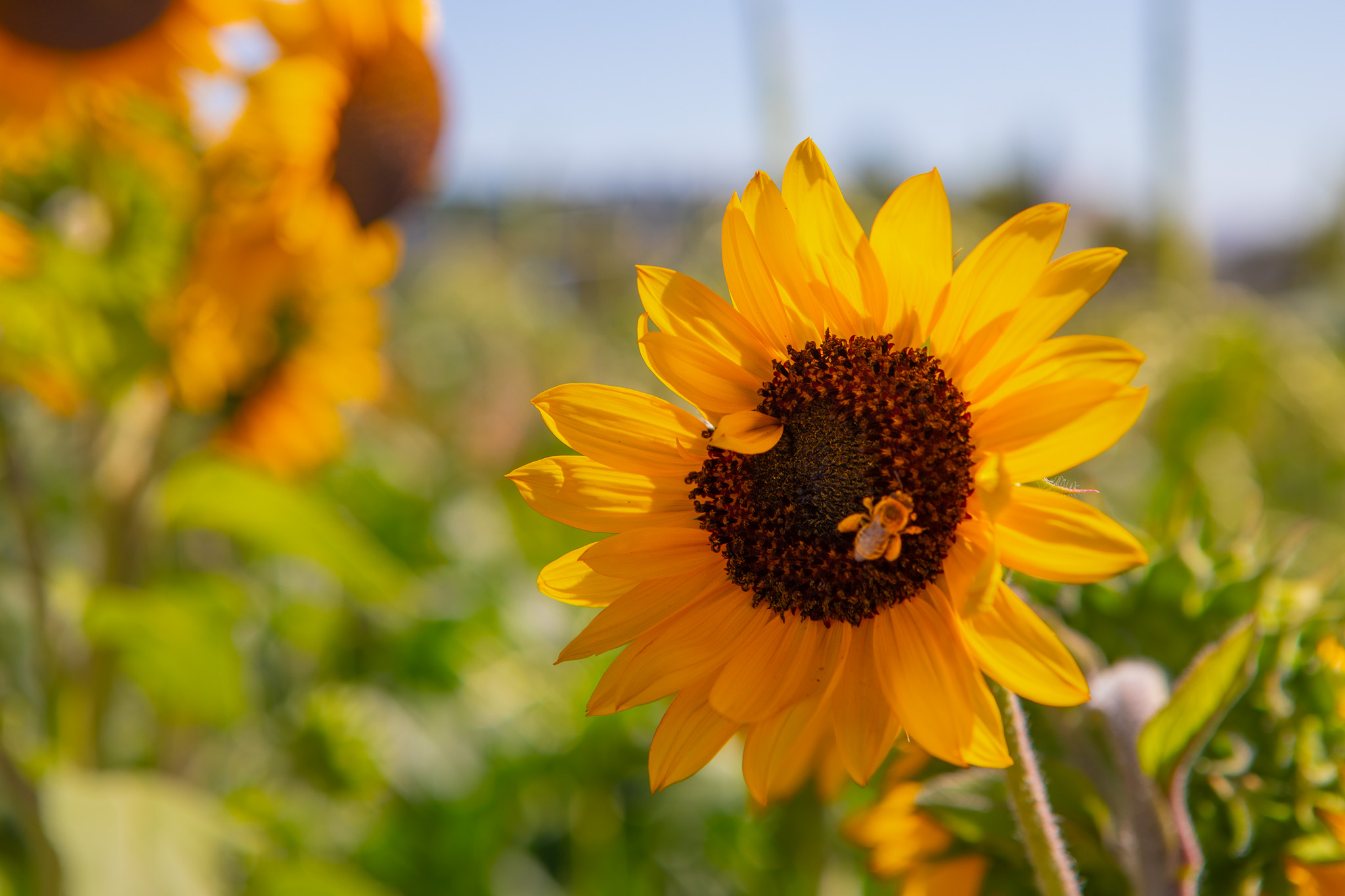
Some common practices include:
- Cover cropping over winter to protect and feed the soil.
- Rotating crops to prevent pest and disease infestations.
- Incorporating plants that support pollinators and beneficial insects.
- Using rotational grazing and minimal tillage to manage pastures and fields.
- Applying soap or plant-based sprays such as neem oil to control pests as part of a comprehensive pest management program.
Holley said these practices can often work together to create cumulative benefits for a healthy environment and communities.
Why does organic agriculture matter in the Nevada desert?
Agriculture in Nevada comes with unique challenges, particularly when it comes to water.
“Nevada has limited water resources,” Holley said. “Proper organic practices build healthy soils, which can better hold water and reduce irrigation needs for production.”
Holley also points out that organic practices can reduce contamination of lakes and rivers from water runoff and wind drift. Organic farmers and ranchers here in Nevada carefully manage limited resources.
Why does buying local organic food matter?
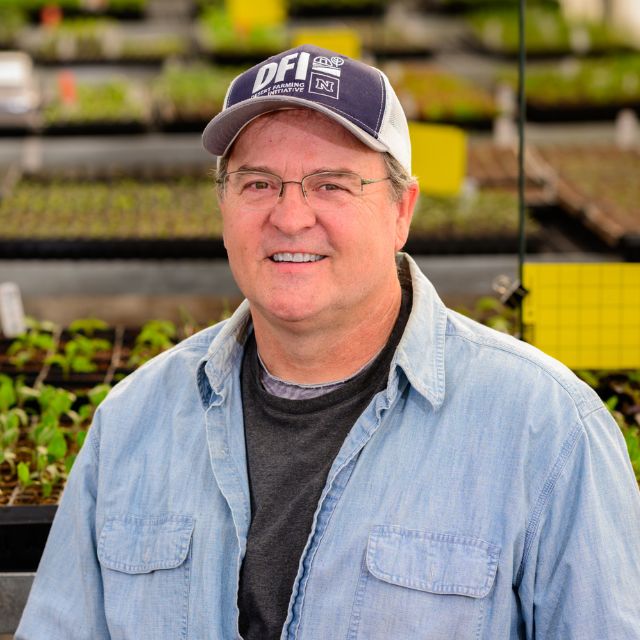
“When you buy from a local organic farmer, you’re supporting somebody who shares your commitment not only to healthy and high-quality food, but to vibrant agriculture and communities. Healthy soil, healthy water, healthy people and healthy wildlife,” Holley said.
Buying from farms in your region can keep more food dollars in the community and reduce the distance food travels from farm to consumer. Food products that are trucked in from afar won’t have the same quality, shelf life or nutrition as local organic products.
Understanding the organic label can inform purchasing decisions. The label represents a set of farming practices that reduce the impact of food production while building healthy local economies. For farmers like Holley, those practices are part of a broad vision for responsible resource use for years to come.
Since 2025, the Desert Farming Initiative's Grow Organic Nevada Program has helped six farms connect with organic farmer mentors to get certified, provided one-on-one technical assistance and hosted meaningful events to support small farms. Want to learn more about the Grow Organic Nevada program? Visit the Grow Organic Nevada website or email us. You may also explore Made in Nevada to find your nearest organic farms and their products.


