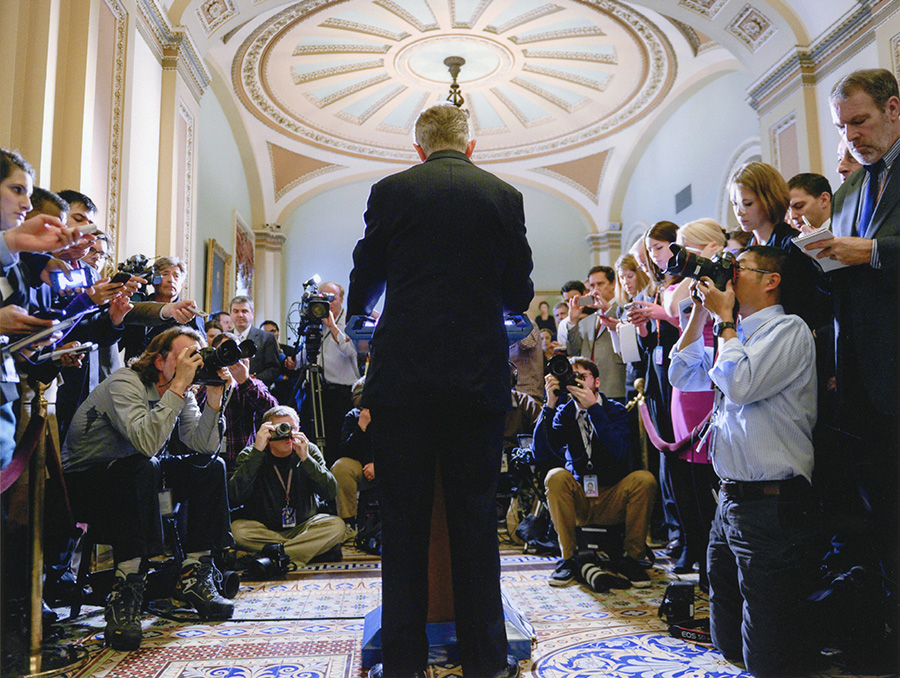
The University Libraries’ Special Collections and University Archives Department at the University of Nevada, Reno is excited to announce the opening of the first set of materials from Sen. Harry Reid’s extensive archival collection.
For the first time, the public will be able to look through hundreds of thousands of documents, photos and artifacts representing 46 years of service in Nevada and Congress.
The Harry Reid Papers collection opened to the public on Nov. 1.
When Sen. Reid announced that he “always knew in (his) heart what (he) was going to do” by donating his personal papers to Special Collections in 2016, he commented, “It’s a great University, and I hope my papers will make it better.
Reid wanted the physical portion of his collection, more than 1,000 boxes of materials, to open to the public 10 years later, in 2026, with the digital portion of the collection to open in 2036.
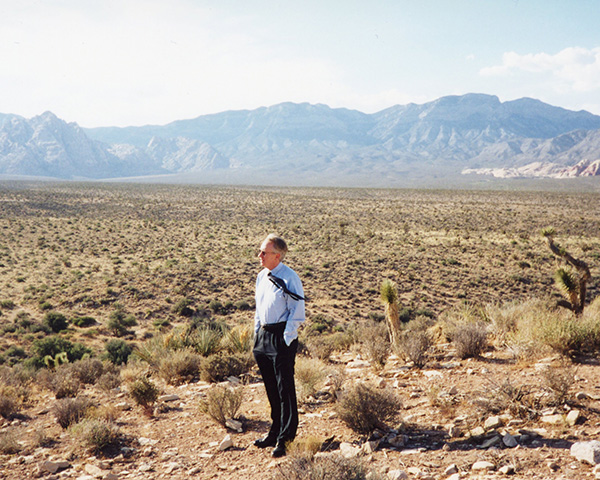
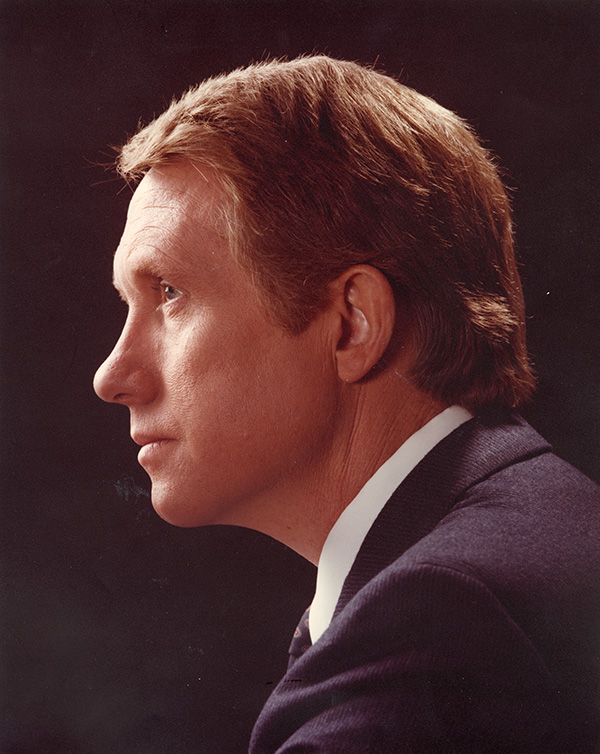
Sen. Reid (1939-2021), born in Searchlight, Nev., is most known for his service in the U.S. Senate as minority leader (2005-2007, 2015-2017) and majority leader (2007-2015).

To celebrate the opening of the collection, Special Collections collaborated with doctoral candidate and Reid Fellow Benjamin H. Humphries on an exhibit exploring Reid’s complicated environmental legacy. The exhibit will open on Nov. 20 with a reception. It will be on display on the third floor of the Mathewson-IGT Knowledge Center until the end of March 2027. To attend the exhibit reception, please register here.
Because of the size and complexity, political and Congressional collections require knowledgeable staff with specialized professional expertise.
In 2017, the University Libraries hired archivist Ian McGlory to process the physical portion of the collection. McGlory observed that the collection was prepared very effectively by Reid’s staff before its transfer to the University. Assisted by a small team of student workers (William Na, Rebecca Lighthart, Kaylie Pinto, Noah Drymalski and Khoa M. Do), he assessed all the materials, physically moved them into appropriate housing, performed minor conservation actions, created detailed inventories, organized the collection into themes, assessed duplication and sensitivities and wrote a guide to the collection. As a result, the collection is now organized and preserved for long-term use.
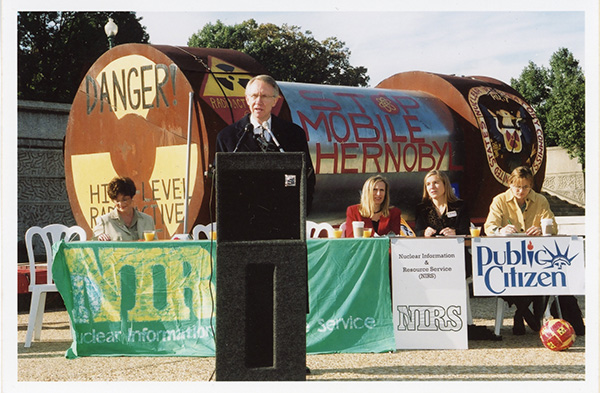
The Harry Reid Papers are emblematic of what political archival collections can be. They are full of aspirations, compromises, disagreements and long-standing multi-generational efforts.
When asked about his time on the project, McGlory said, “I think in retrospect the thing I enjoyed most is seeing that all of this work is done at the end of the day by people working together. Government is often synonymous with being faceless, when in reality it’s the opposite: it’s people helping people."
Please visit Special Collections and University Archives on the third floor of the Mathewson-IGT Knowledge Center to look through the collection. The department is open for drop-in visits Monday through Thursday, with Fridays reserved for advanced appointments.
“We are excited to share the largest collection in our holdings,” said Elspeth Olson, outreach and public services archivist.
Olson advises users to “do preliminary work to target their research in specific directions. While archival research can sometimes (often) take you in unplanned directions, political collections are so large that focused dives will be far more effective than wide-scale browsing.”
The guide to the collection is searchable and available online.
Special Collections and University Archives stewards unique, rare and historically significant resources in a variety of formats, primarily documenting the Northwestern Great Basin and the University of Nevada, Reno. It builds and maintains collections that support research, teaching and learning for the campus community and the public at large in its aspiration to be a vital primary source laboratory for inquiry and discovery in a wide range of disciplines.


